









Mangaluru: The hospitality sector in coastal Karnataka is facing mounting pressure as a steep increase in commercial LPG cylinder prices and persistent supply disruptions have forced hotel owners in Dakshina Kannada and Udupi districts to hike food prices by 10% to 15%.
The decision, approved by the Mangaluru Hotel Owners’ Association, comes after weeks of deliberation and growing distress among hoteliers who say their operational costs have surged beyond sustainable levels. The revised prices have come into effect immediately across several establishments, with neighbouring regions expected to follow suit after consultations with industry bodies.
LPG price hike triggers crisis
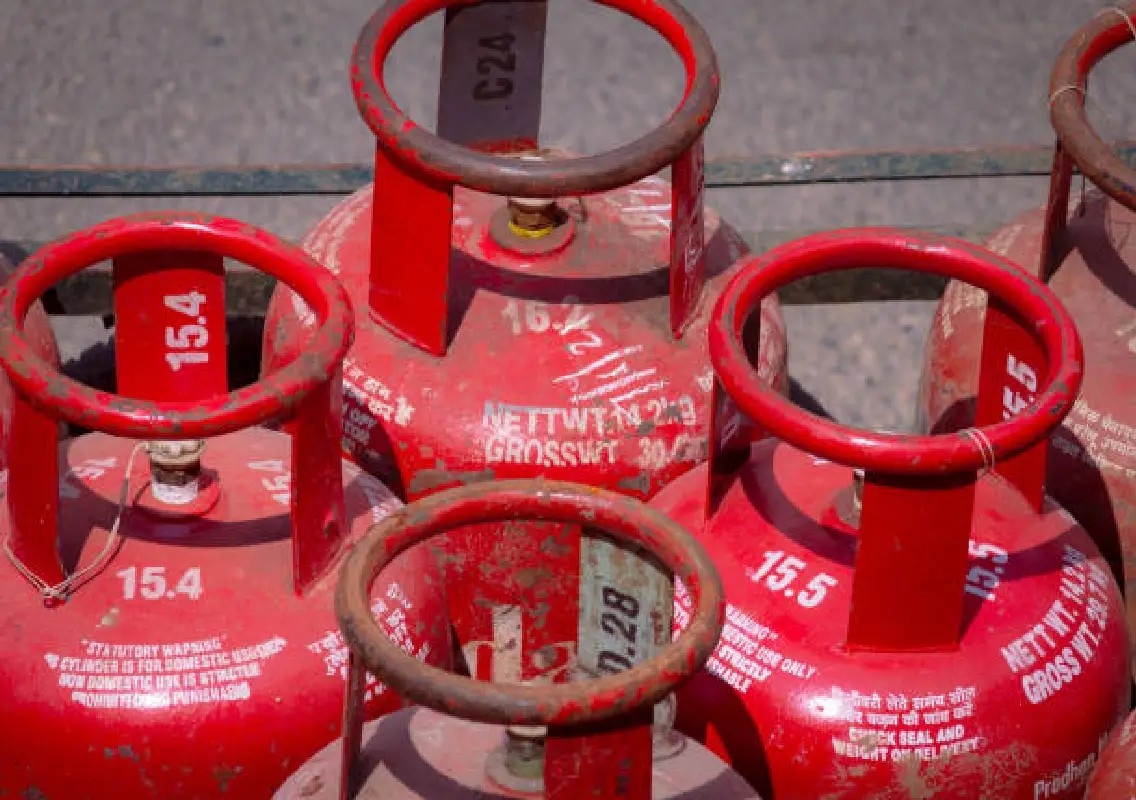
The recent increase of ₹993 per commercial LPG cylinder has dealt a severe blow to the food service industry, which heavily depends on gas for daily operations. For many small and medium-sized eateries, LPG constitutes one of the largest recurring expenses.
Hotel owners say they had been absorbing rising costs for nearly two months to avoid burdening customers. However, the continued escalation in fuel prices, coupled with higher costs of vegetables, edible oil, and spices, has made it impossible to maintain previous pricing.
A local eatery owner stated that the business had reached a breaking point. “We tried not to pass on the burden to customers, but now it is unavoidable. If we don’t revise prices, we will run into losses,” he said.
Businesses caught in a dilemma
Hoteliers across the region describe the situation as a difficult balancing act. While increasing prices helps offset costs, it also risks driving away customers in a competitive market.
A hotelier operating in a busy commercial locality warned that the situation could worsen if LPG prices do not stabilise soon. He noted that several establishments are already operating on thin margins and may be forced to shut down within 10 days if the current trend continues.
Small eateries, roadside stalls, and canteens are particularly vulnerable, as they lack the financial buffer to absorb prolonged losses. Many of these businesses also cannot switch to alternative cooking methods such as firewood due to infrastructure limitations and regulatory constraints.
Black market worsens supply issues
In addition to rising prices, supply shortages have further aggravated the crisis. Reports indicate that commercial LPG cylinders are being sold in the black market at prices exceeding ₹6,000—almost double the official rate.
Traders allege that artificial scarcity and hoarding have disrupted the normal supply chain, forcing them to purchase cylinders at inflated prices just to keep their kitchens running.
Hotel owners have appealed to the district administration and police authorities to take strict action against illegal hoarding and black marketing. They have also urged officials to ensure that LPG distribution is streamlined through authorised dealers to prevent further exploitation.
Price revision likely soon in nearby district
Hotel owners in the neighbouring district are closely monitoring the situation and are expected to announce similar price hikes in the coming week. A meeting with the state hotel association is scheduled to finalise the percentage increase and implementation timeline.
Industry representatives have expressed concern that nearly 50% of daily revenue is now being spent on fuel alone. This has made it increasingly difficult to cover other expenses such as staff salaries, rent, and maintenance.
Impact on consumers and tourism
The price hike is expected to have a direct impact on consumers, particularly daily wage earners and middle-class families who rely on affordable eateries. It also comes at a time when the coastal belt is witnessing increased tourist activity, raising concerns about the overall cost of dining for visitors.
Residents have also reported delays in domestic LPG deliveries, with waiting periods extending up to 15 days even after booking. This has added to the overall frustration among households already dealing with rising living costs.
Industry seeks urgent intervention
Industry stakeholders are calling for immediate government intervention to stabilise LPG prices and ensure adequate supply. They stress that without timely action, the region could witness widespread closures of small and medium-sized food establishments.
The situation underscores the vulnerability of the hospitality sector to fluctuations in fuel prices and highlights the need for policy measures that can provide relief during such crises.
Conclusion
The decision to hike food prices reflects the severity of the challenges faced by hotel owners. While the move may help businesses stay afloat in the short term, it also places an additional burden on consumers. As the crisis unfolds, the focus remains on whether authorities can address supply issues and curb black marketing to restore stability in the sector.