







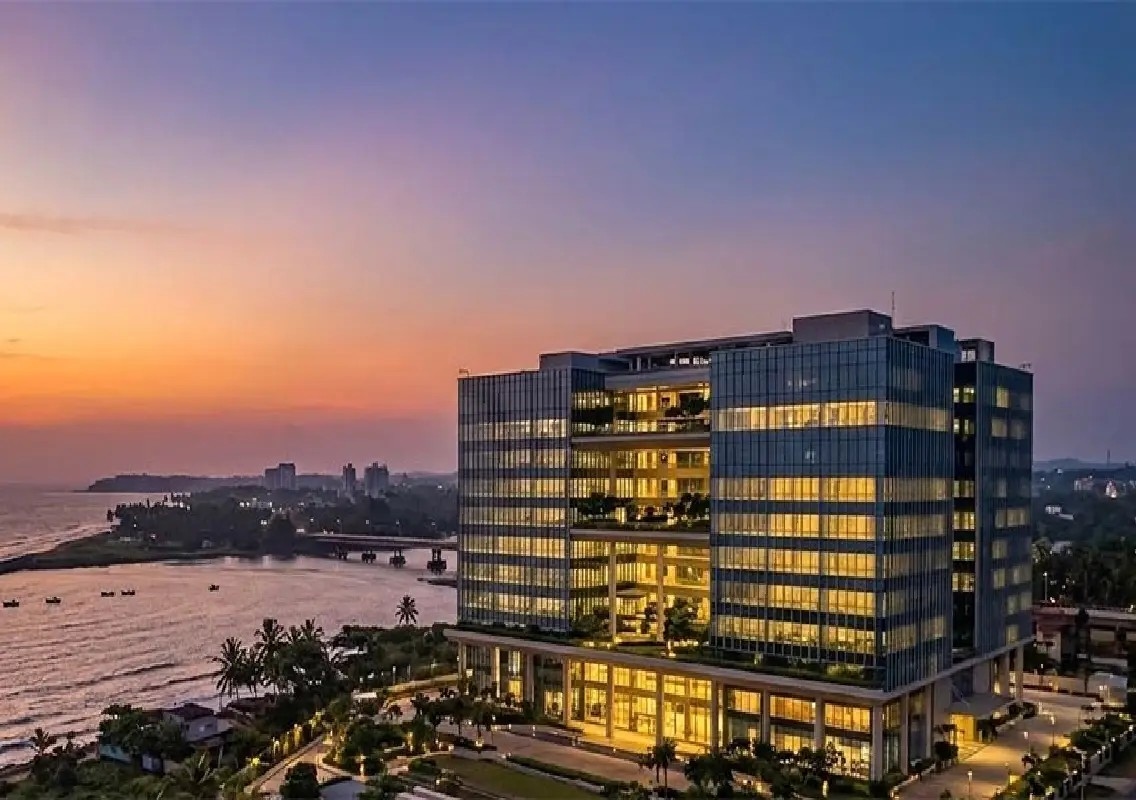


Mangaluru: The proposed ₹135-crore IT Park project in Mangaluru, considered one of the Karnataka government’s flagship initiatives under the “Beyond Bengaluru” programme, has encountered significant challenges after failing to attract private developers in the first phase of bidding. The project, envisioned as a major technology hub for the coastal region, is expected to generate nearly 11,000 jobs but is now facing concerns over infrastructure readiness, financial viability and investor confidence.
First tender process ends without bids
The IT Park project is being developed by the Karnataka State Electronics Development Corporation Limited (KEONICS) on a 3.28-acre site at Derebail along Blueberry Hills Road near NH-66.
Authorities had floated the first tender for the project on December 15 last year. However, despite the scale and significance of the development, the process concluded without receiving any bids from private developers.
The government has now reopened the bidding process, with the second round scheduled to close on May 22, 2026. According to industry sources, only one bidder has reportedly shown interest in the revised process so far.
The development has raised concerns regarding the pace of implementation of a project that has been positioned as an important component in expanding Karnataka’s technology ecosystem beyond Bengaluru.
Infrastructure concerns affect developer interest
Real estate and industry stakeholders have stated that the lack of participation does not necessarily indicate limited demand for IT growth in Mangaluru. Instead, they argue that practical issues relating to infrastructure and commercial feasibility are discouraging investors.
According to local developers, the proposed project site still lacks adequate supporting infrastructure despite being identified for IT-related development nearly two decades ago.
Industry representatives point out that the area does not currently have dedicated high-capacity road connectivity capable of supporting a large technology campus expected to handle thousands of employees.
Developers are reportedly cautious about investing substantial amounts in a project where supporting civic infrastructure remains incomplete.
Financial terms and lease structure questioned
Apart from infrastructure issues, stakeholders have also expressed concerns regarding the financial framework proposed under the project.
Industry sources indicated that lease rentals and commercial terms outlined in the tender document appear to resemble pricing structures generally seen in Bengaluru and other Tier-1 cities.
Developers believe these benchmarks may not align with market realities in a Tier-2 city such as Mangaluru and could affect long-term financial sustainability.
Some industry representatives have suggested that the government should initially introduce more competitive lease rates and incentives to encourage investment and support the development of a sustainable technology ecosystem.
Tender conditions viewed as restrictive
Sources within the sector also stated that certain technical requirements in the original Request for Proposal (RFP) were considered restrictive.
According to stakeholders, the conditions reportedly created challenges for local developers while simultaneously failing to attract larger national-level players.
Although certain modifications and relaxations were introduced in the second round after consultations with industry bodies, several participants continue to consider contractual and financial terms restrictive.
The project has been proposed under the Design-Build-Finance-Operate-Transfer (DBFOT) model with a lease period of 30 years and provisions for extension based on performance.
Under the current proposal, approximately 75 per cent of the built-up space has been allocated for commercial and IT operations, while the remaining area has been reserved for retail, hospitality and allied facilities.
Strong IT potential but investor confidence remains weak
Despite the present challenges, Mangaluru continues to be viewed as having significant potential for growth in the technology sector.
The undivided Dakshina Kannada region already hosts over 250 IT firms employing more than 18,000 professionals. Educational institutions across the coastal belt also contribute a steady supply of engineering and technology graduates.
However, much of the region’s growth in the IT sector has largely come through private initiatives operating from managed office spaces and independent campuses rather than large government-backed infrastructure developments.
Industry observers also believe that repeated delays and revisions to earlier project proposals may have affected investor confidence.
Stakeholders suggest measures for revival
To prevent another unsuccessful bidding cycle, stakeholders have proposed several measures aimed at improving investor interest.
Suggestions include prioritising road connectivity and utility infrastructure around the Derebail site, revising lease pricing structures to reflect local market conditions and providing greater certainty regarding long-term lease arrangements.
Some representatives have also suggested extending lease tenures, similar to earlier proposals of 60-year lease periods, arguing that such changes may encourage institutional investment and strengthen long-term project viability.
The coming weeks are expected to be important for the project as the second bidding process progresses and authorities assess the response from potential developers.