







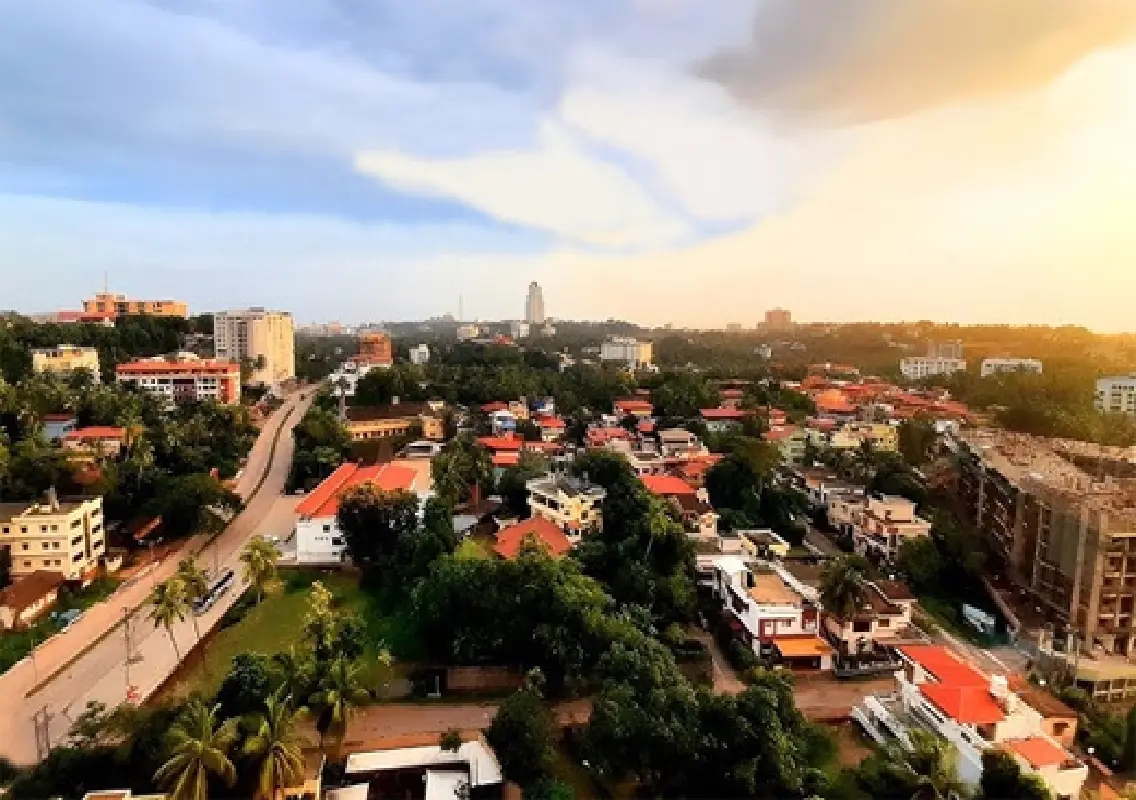


Mangaluru: Mangaluru has emerged as the safest city in India according to the Numbeo Safety Index 2026, reinforcing its reputation as one of the country’s most secure and liveable urban centres. The coastal Karnataka city secured a global rank of 46 with a safety score of 74.4, outperforming all other Indian cities evaluated in the widely referenced survey-based index released in January 2026.
The Numbeo Safety Index is compiled by Numbeo, a crowd-sourced global database that tracks cost of living, quality of life, crime and safety indicators across cities and countries. For the 2026 edition, a total of 304 cities worldwide were assessed based on public perceptions of safety and crime, making Mangaluru’s position a significant achievement in a competitive global field.
How the Numbeo Safety Index is calculated
The Safety Index is based on user-submitted survey responses that measure how safe residents and visitors feel in their cities. Participants rate factors such as safety while walking alone during the day and at night, concerns about violent crimes like assault and robbery, experiences with property crimes such as theft and burglary, and overall perceptions of personal safety.
These responses are analysed and converted into a score ranging from 0 to 100, with higher scores indicating greater perceived safety. While the index does not rely on official crime statistics alone, it provides valuable insight into how people experience safety in their daily lives. Urban researchers, travellers, expatriates and policymakers often use the rankings for comparative studies, travel planning and benchmarking city liveability.
Indian cities and their global standing
The gap between Mangaluru and other Indian cities highlights notable differences in perceived urban safety within the country. While several Indian cities continue to improve their infrastructure and policing, public perception remains a key factor influencing how safe residents feel, especially during night-time travel and daily commuting.
At the national level, India ranked 70th globally in overall safety with a score of 55.8. This places the country in the middle tier worldwide, suggesting steady progress but also indicating scope for further improvements in urban safety, law enforcement visibility and public confidence.
Global leaders in urban safety
Globally, Qingdao in China topped the Numbeo Safety Index 2026 with an impressive safety score of 89.2, making it the safest city among all those evaluated. The high ranking reflects strong public confidence in law enforcement, low perceived crime rates and a sense of personal security among residents.
Middle Eastern cities continued to dominate the upper end of the global rankings. Cities such as Abu Dhabi and Sharjah in the United Arab Emirates, along with Doha in Qatar, featured prominently among the safest cities in the world. These cities are often noted for strict law enforcement, extensive surveillance infrastructure and well-funded public safety systems, which contribute to consistently high safety scores.
Factors contributing to Mangaluru’s performance
Urban planners and local observers attribute Mangaluru’s strong showing to a combination of factors. The city benefits from relatively effective policing, active community participation and a social fabric that emphasises neighbourhood vigilance. Its moderate population size compared to major metropolitan areas also allows for better management of civic amenities and quicker response times for law enforcement.
Mangaluru’s status as an educational and healthcare hub, hosting several universities and medical institutions, further contributes to its stable environment. The presence of a large student population and working professionals is often associated with lower levels of violent crime and a more regulated urban lifestyle.
Additionally, the city’s growing emphasis on digital surveillance, traffic monitoring and public grievance redressal systems has helped improve residents’ confidence in safety mechanisms. While challenges remain, particularly during peak tourist seasons, overall perceptions have remained positive.
Conclusion
Mangaluru’s recognition as the safest city in India in the Numbeo Safety Index 2026 is a notable milestone that underscores the importance of public perception in assessing urban safety. While the index reflects subjective experiences rather than official crime data alone, it offers valuable insights into how people feel about their cities.
As Indian cities continue to expand and urbanise, Mangaluru’s example highlights how effective governance, community engagement and consistent law enforcement can shape a safer urban environment. The challenge ahead lies in sustaining these standards while other cities work to bridge the perception and reality gaps in urban safety across the country.