







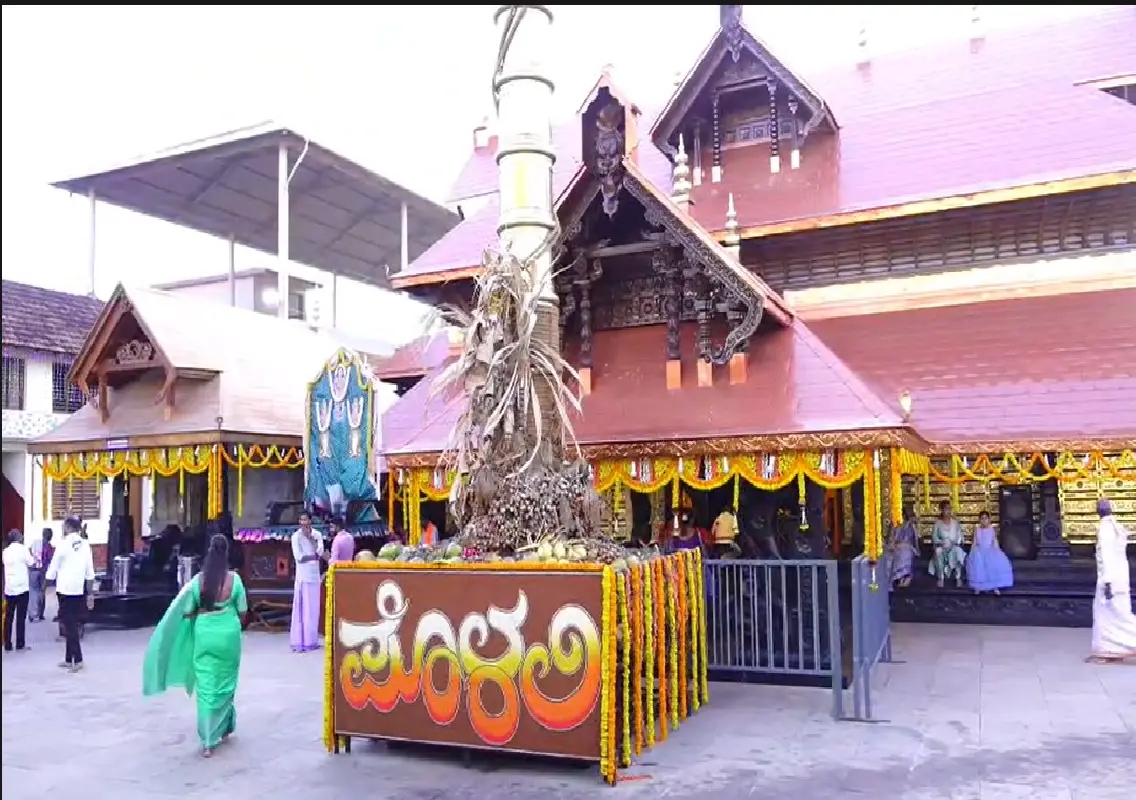


Mangaluru: The renowned Polali Rajarajeshwari Temple in Dakshina Kannada district is witnessing vibrant festivities as part of its annual month-long jathrotsava, with the traditional ‘chendu utsava’ emerging as a major attraction for devotees.
The festival, deeply rooted in coastal Karnataka’s cultural and religious traditions, draws large crowds from across the region. Among its many rituals and events, the five-day chendu utsava stands out for its unique blend of mythology, sport and community participation.
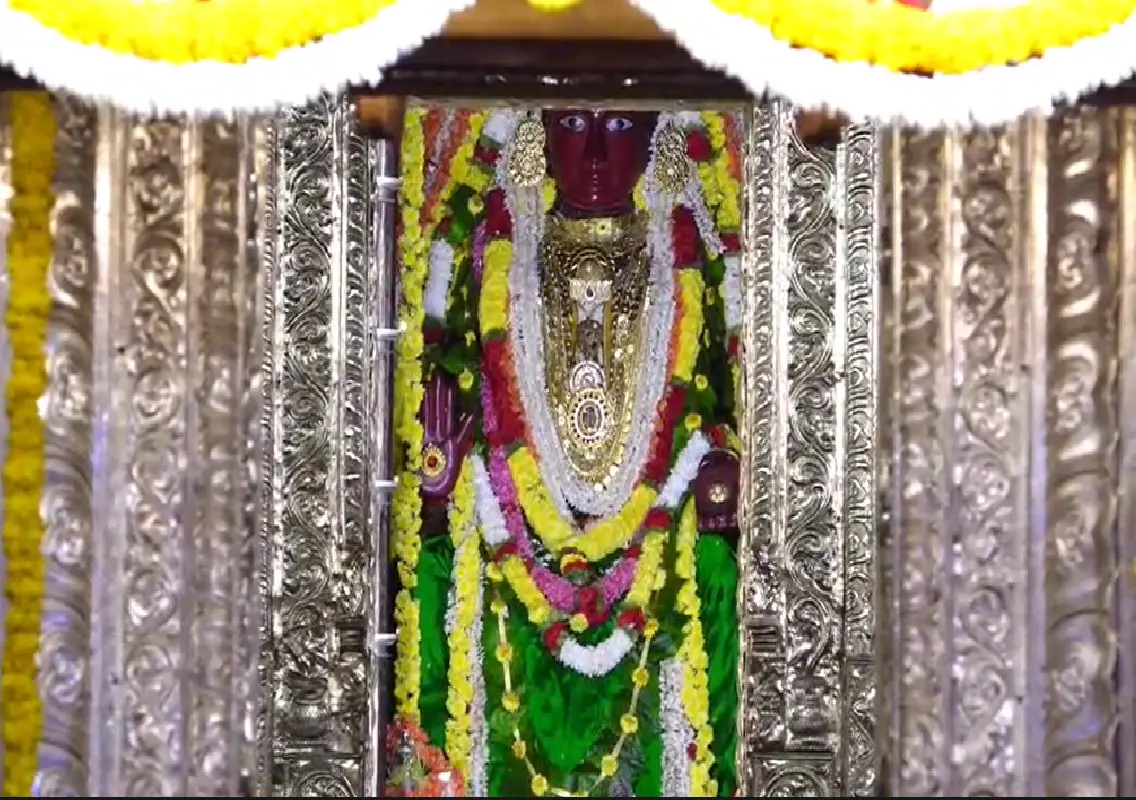
Chendu utsava: A blend of devotion and tradition
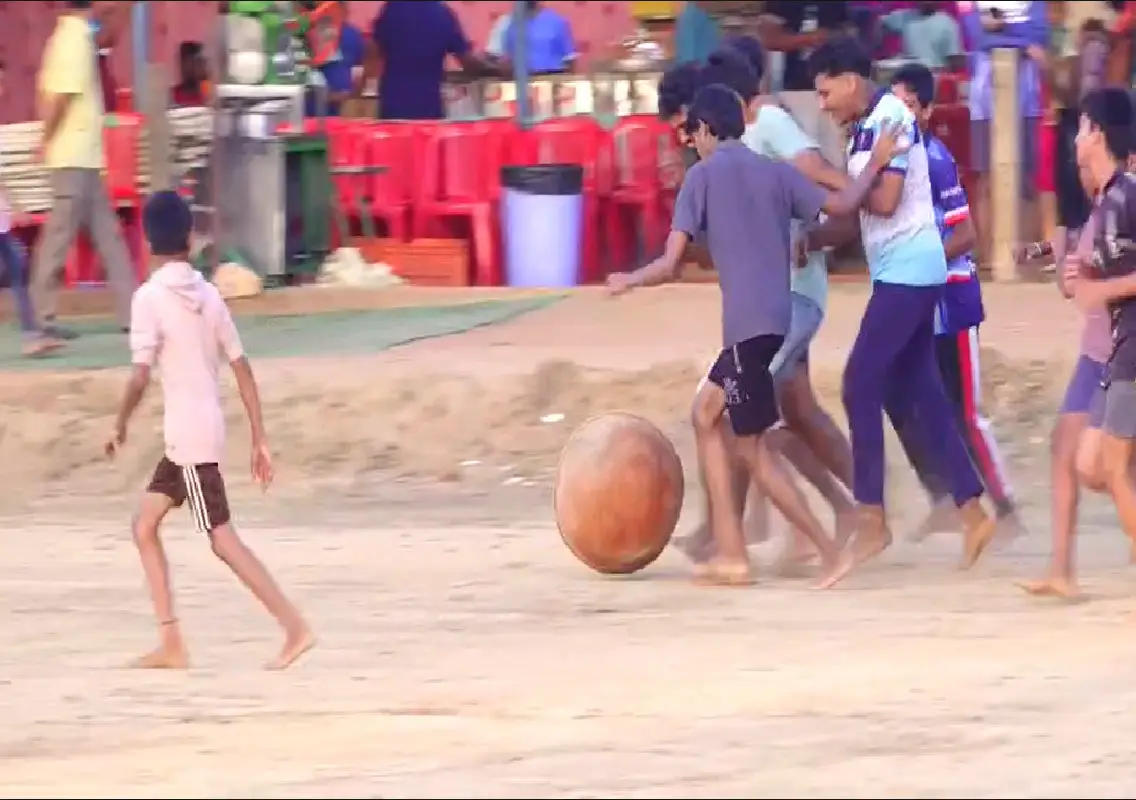
The chendu utsava, also locally known as ‘Pural da Chendu’, is a distinctive ball game played in the open grounds in front of the temple. Devotees participate enthusiastically, playing with a specially crafted ball in a manner similar to football, symbolising a ritualistic offering to the Devi.
The tradition is believed to have its origins in Hindu mythology. According to the Puranas, Goddess Sri Devi is said to have slain the demons Chanda and Munda and then played with their heads in a symbolic act of victory. This scene is also depicted in the popular Yakshagana performance ‘Sri Devi Mahatme’, which continues to be performed in coastal Karnataka.
Reflecting this legend, the chendu utsava continues to be held as a ritualistic re-enactment during the temple fair, preserving centuries-old beliefs and practices.
Sacred preparation of the chendu ball
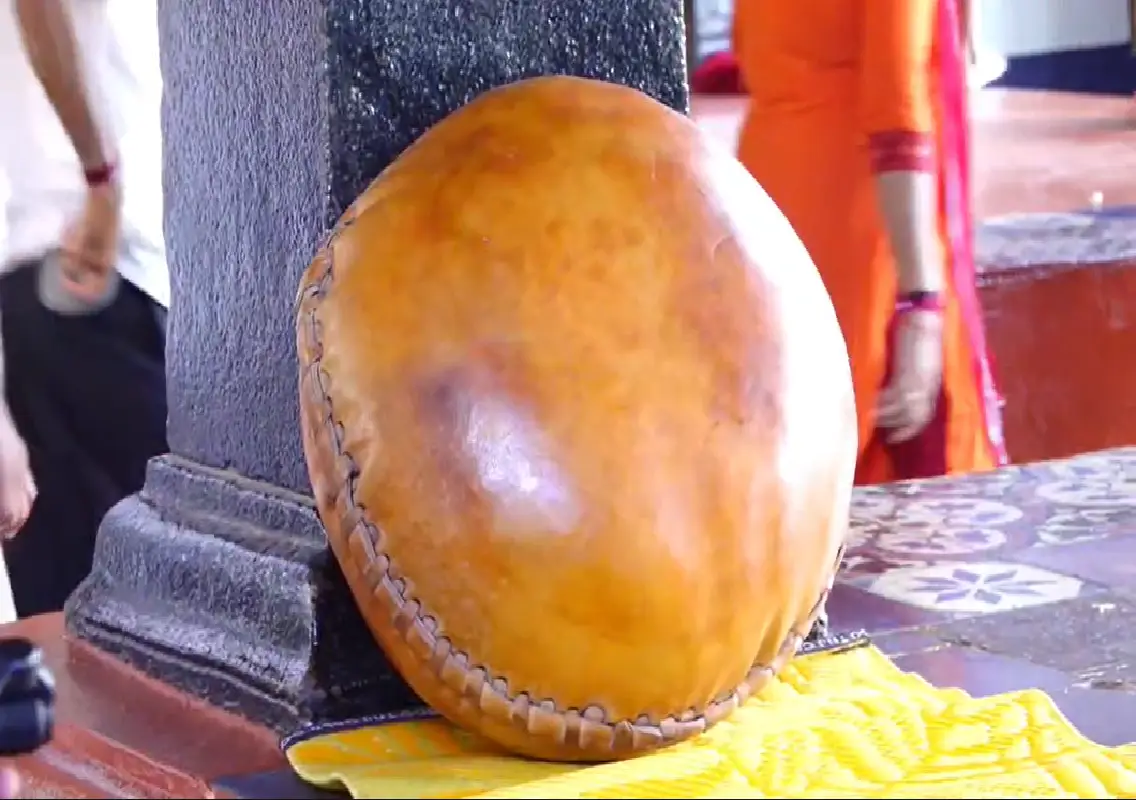
The ball used in the chendu utsava holds great ritual significance and is prepared with devotion by a traditional cobbler family from Mijar. Skilled artisan Padmanabha has been crafting the special leather ball for the festival for the past 27 years, including 16 years of dedicated service specifically for the Polali fair.
The process involves not just craftsmanship but also religious observance. The ball was ceremonially worshipped in the presence of Goddess Mahammai at Padmanabha’s residence before being handed over for the festival.
Following tradition, the responsibility of carrying the ball to the temple lies with the enne miller family from Kadapu Kariya, reflecting the involvement of multiple communities in maintaining the ritual.
Community participation and traditional roles
The organisation of the Polali festival is marked by the participation of various families and communities, each with designated roles passed down through generations. The Puttige field in Moodbidri plays a crucial role in determining the dates of the fair, underscoring the interconnected nature of regional traditions.
The ceremonial handing over of the ball to representatives from the Polali constituency symbolises unity and collective devotion. Devotees gather in large numbers during the five-day chendu utsava to take part in the game and witness the celebrations.
Festival schedule and grand finale
The kodi chendu utsava commenced on April 6 and will continue for five days, concluding on April 10. Each day sees enthusiastic participation from devotees, who engage in the symbolic game with fervour and Admiration.
The celebrations will culminate in the grand chariot festival on April 11, followed by the main Polali Rajarajeshwari jathrotsava. These events are expected to attract thousands of devotees, making it one of the most significant religious gatherings in the region.
Conclusion
The Polali Rajarajeshwari Temple festival, with its iconic chendu utsava, continues to uphold the rich cultural heritage of coastal Karnataka. By blending mythology, ritual and community involvement, the festival not only preserves age-old traditions but also fosters a sense of unity among devotees. As the celebrations progress towards the grand finale, the temple remains a focal point of faith, devotion and cultural identity in the region.