









Mangaluru: In a significant demonstration of advanced cardiothoracic care and multidisciplinary teamwork, doctors at Father Muller Medical College Hospital successfully treated a rare and life-threatening pulmonary vascular condition in a 38-year-old male patient, restoring normal oxygen levels and preventing progressive heart–lung failure.
The patient was admitted after being diagnosed with right lower-limb deep vein thrombosis (DVT). He had been experiencing persistent breathlessness, and initial assessment revealed an alarming oxygen saturation of less than 80 per cent on room air, necessitating continuous oxygen support via face mask. Given the severity of hypoxia, clinicians initiated an urgent and detailed evaluation to identify the underlying cause.
Advanced evaluation reveals complex diagnosis
A comprehensive two-dimensional echocardiography was performed by an interventional cardiologist to determine the reason for the patient’s desaturation. The investigation revealed severe pulmonary arterial hypertension (PAH) accompanied by significant tricuspid regurgitation, an indirect but critical indicator of chronic thromboembolic pulmonary hypertension (CTEPH).
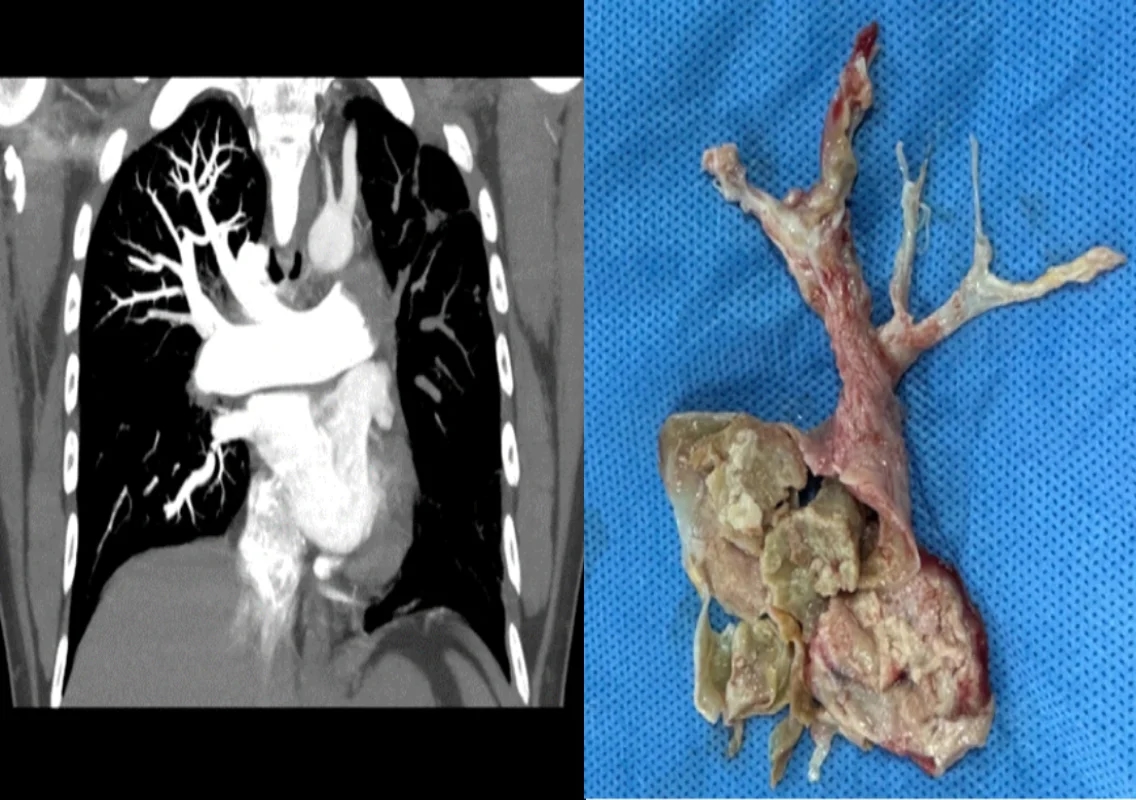
To confirm the suspected diagnosis, the patient underwent computed tomography pulmonary angiography (CTPA). The imaging revealed complete occlusion of the left pulmonary artery, with no blood flow reaching the left lung. This confirmed the presence of a chronic left pulmonary thromboembolism—an uncommon but extremely serious condition that places immense strain on the heart and lungs and can be fatal if left untreated.
Decision for definitive surgical management
Given the severity of the disease and the high risk of progressive cardiopulmonary failure, the treating team concluded that definitive surgical intervention was the most appropriate course of action. After careful preoperative planning, the patient underwent a left surgical pulmonary thromboembolectomy under total circulatory arrest on January 17, 2026, performed under general anaesthesia.
The complex procedure required advanced surgical expertise and meticulous perioperative coordination. The surgery was successfully carried out by a cardiothoracic and vascular surgeon, supported by expert cardiac anaesthesia and comprehensive cardiology backup. Such procedures are technically demanding and are typically performed only at centres equipped with specialised infrastructure and experienced multidisciplinary teams.
Postoperative care and recovery
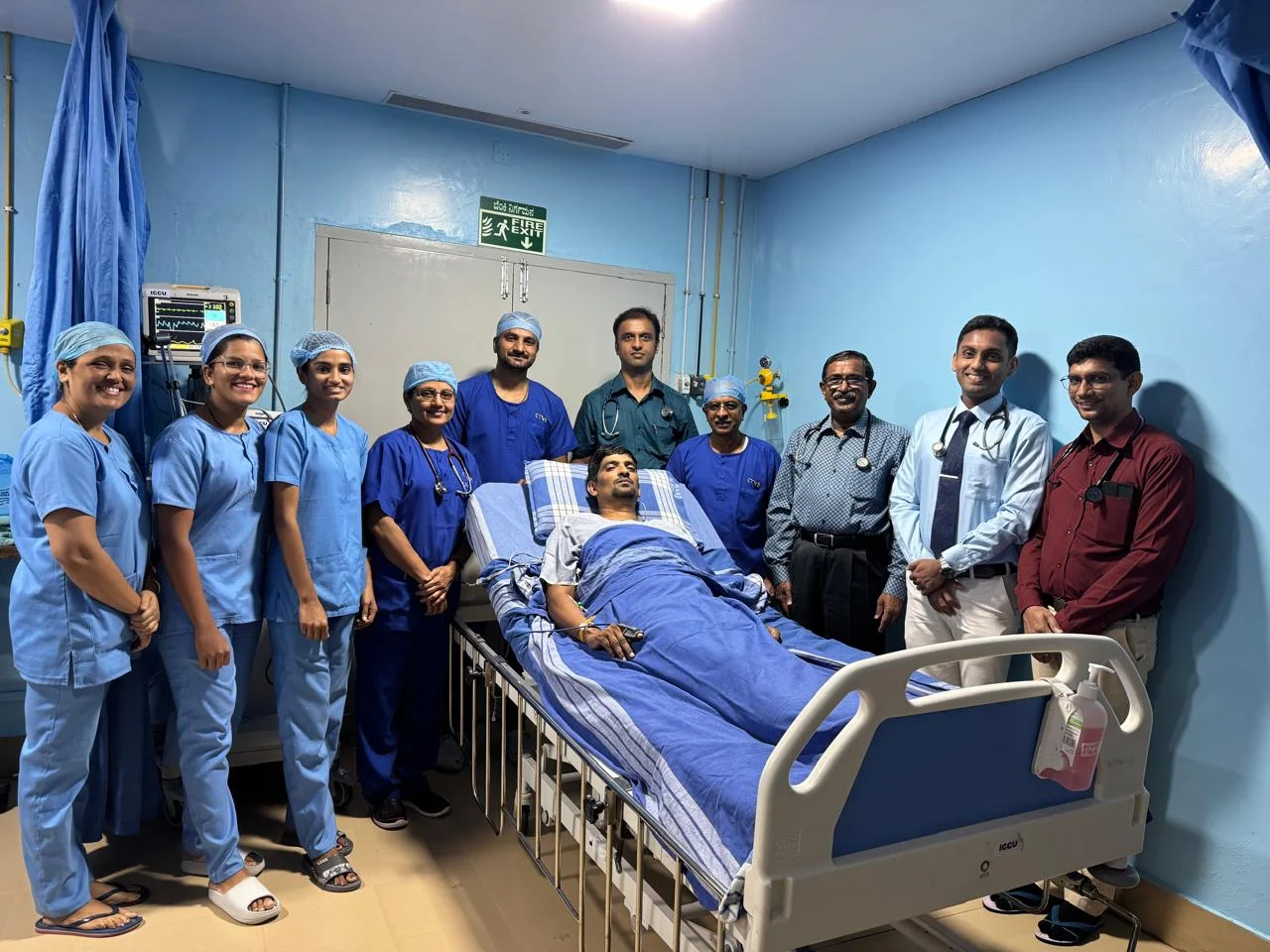
Following surgery, the patient was transferred to the Intensive Care Unit (ICU) for close monitoring and specialised postoperative care. His recovery during the ICU stay was stable and satisfactory, with steady clinical improvement observed over the following days.
At present, the patient no longer requires supplemental oxygen and maintains an oxygen saturation of 95 per cent on room air. The outcome represents a dramatic improvement from his initial presentation and underscores the effectiveness of timely surgical intervention in advanced pulmonary vascular disease.
Understanding pulmonary thromboembolectomy
Pulmonary thromboembolectomy is a specialised medical procedure used to remove dangerous blood clots from the pulmonary arteries. It is typically considered a life-saving intervention for patients whose condition is too severe to be managed with anticoagulant (blood-thinning) therapy alone.
The procedure is primarily used to treat two conditions. The first is acute massive pulmonary embolism, in which a sudden large clot leads to immediate heart and lung failure. The second is chronic thromboembolic pulmonary hypertension (CTEPH), a long-term condition where unresolved clots transform into fibrous scar tissue, permanently obstructing blood flow and causing high pressure within the pulmonary arteries.
A detailed medical overview of this condition is available through chronic thromboembolic pulmonary hypertension, which explains how delayed diagnosis can result in progressive cardiopulmonary damage.
Surgical and minimally invasive approaches
As of 2026, there are two principal approaches for removing pulmonary clots. Surgical thromboembolectomy involves open-heart surgery, where surgeons access the pulmonary arteries through the sternum. A heart–lung machine maintains circulation during the operation, and in complex cases the body may be cooled to protect the brain while blood flow is temporarily stopped to allow precise clot removal. Such surgeries typically last four to six hours and require intensive postoperative care.
The second approach is mechanical or percutaneous thrombectomy, a minimally invasive technique in which a catheter is inserted through a small puncture in the groin or neck and guided to the lungs. The device fragments or removes the clot using suction. However, in advanced cases of CTEPH with organised and long-standing clots, open surgical intervention remains the definitive and potentially curative treatment.
Risks, benefits and long-term care
The benefits of pulmonary thromboembolectomy are substantial. In CTEPH, the procedure can be curative, resulting in immediate improvement in breathing, heart function and physical activity. In acute cases, it can be life-saving by preventing sudden cardiac collapse.
As with any major surgery, risks include bleeding, infection, cardiac arrhythmias and lung injury. However, at specialised centres, surgical mortality rates have fallen significantly and are now reported to be as low as 1–2 per cent. Most patients require lifelong anticoagulation therapy after surgery to prevent new clot formation, along with regular follow-up to monitor pulmonary pressures and overall heart health.
Importance of early diagnosis and teamwork
Doctors involved in the case emphasised that this successful outcome highlights the importance of early diagnosis, multidisciplinary collaboration and access to advanced cardiothoracic surgical services. Conditions such as CTEPH often present with non-specific symptoms like breathlessness and fatigue, leading to delays in diagnosis and treatment.
Conclusion
The successful treatment of this rare pulmonary condition stands as a testament to the growing capabilities of tertiary healthcare centres in Mangaluru. With timely diagnosis, expert surgical intervention and coordinated postoperative care, even the most complex pulmonary vascular diseases can be managed effectively. For the patient, the outcome represents not only clinical success but the restoration of a normal and active life.