







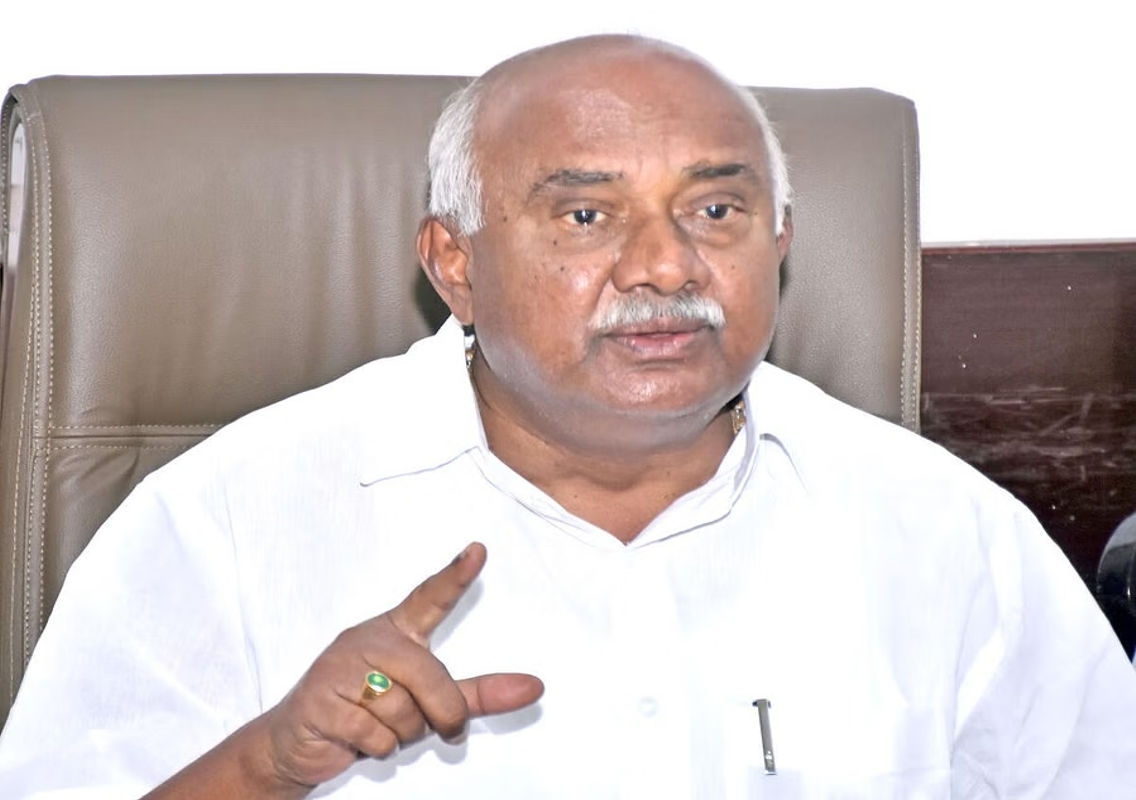


In a recent press conference held in Mysore, H. Vishwanath, a prominent member of the Legislative Council, took strong exception to remarks made by MLA Arvinda Bellada regarding the reservation issue and the legacy of D. Devaraja. Vishwanath labelled Bellada’s comments as “reprehensible,” asserting that they demonstrate a lack of understanding about the historical intricacies that have shaped Karnataka’s social landscape.
He pointed out that Karnataka has historically set a precedent for reservation and social justice across India, noting that the Mysore state had implemented royal reservations long before the Constitution was adopted. This historical context is essential for grasping the ongoing debates around reservation policies in contemporary Karnataka, Vishwanath emphasized.
Vishwanath elaborated on the contributions of historical leaders, particularly Arasu, who advocated for the rights of smaller communities, aiming to bridge caste divides and address pressing societal challenges like poverty and social stigma. He highlighted that the reservation policies in Karnataka were not merely token gestures; they stemmed from a genuine concern for equitable development across various castes and communities.
He went on to underscore that government initiatives, including land reform and the abolition of serfdom, were designed to benefit individuals irrespective of caste or gender. This inclusive approach to social justice is what has allowed Karnataka to be viewed as a model state in the realm of reservation. Furthermore, Vishwanath pointed out that numerous leaders from the Lingayat community had held significant ministerial positions during this transformative period, reinforcing the notion that leadership and advocacy were not confined to any single caste.
Vishwanath did not stop at critiquing Bellada; he also took aim at Chief Minister Siddaramaiah. He expressed disappointment that Siddaramaiah, once regarded as a voice for the oppressed, seems to have shifted towards practices associated with corruption and ineffective governance. He specifically questioned the effectiveness of the Kantarajuvardi initiative, implying that it has not adequately addressed the issues it was meant to resolve.
Vishwanath’s criticisms reflect a growing discontent among certain political factions in Karnataka regarding the current administration’s commitment to social justice. By questioning Siddaramaiah’s integrity, he aims to highlight the apparent disconnect between the Chief Minister’s promises and the realities faced by many constituents.
In response to the recent formation of a committee tasked with investigating allegations against the BJP, Vishwanath did not hold back. He brought up historical land allocation scandals that he claimed involved Siddaramaiah during the BJP’s tenure, implying that the Chief Minister’s present-day moral authority is questionable. Vishwanath’s remarks suggest that Siddaramaiah might be acting as a “shadow” of the BJP rather than leading a distinct and progressive agenda.
This line of questioning indicates a broader concern about the continuity of practices that undermine the integrity of governance in Karnataka. By linking Siddaramaiah to past scandals, Vishwanath seeks to reinforce his argument that the current administration has strayed from its foundational commitments to social equity and justice.
H. Vishwanath’s remarks serve as a potent reminder of the importance of understanding Karnataka’s rich historical context when discussing contemporary issues such as reservation. His criticism of both Arvinda Bellada and Chief Minister Siddaramaiah highlights ongoing tensions within Karnataka’s political landscape, particularly regarding the effectiveness and integrity of policies aimed at social justice.
As debates continue around reservation and representation in Karnataka, the voices of leaders like Vishwanath will remain critical in shaping public discourse and policy direction. His commitment to historical accuracy and social equity offers a counter-narrative to the prevailing sentiments that often overlook the complexities of the state’s socio-political fabric.