







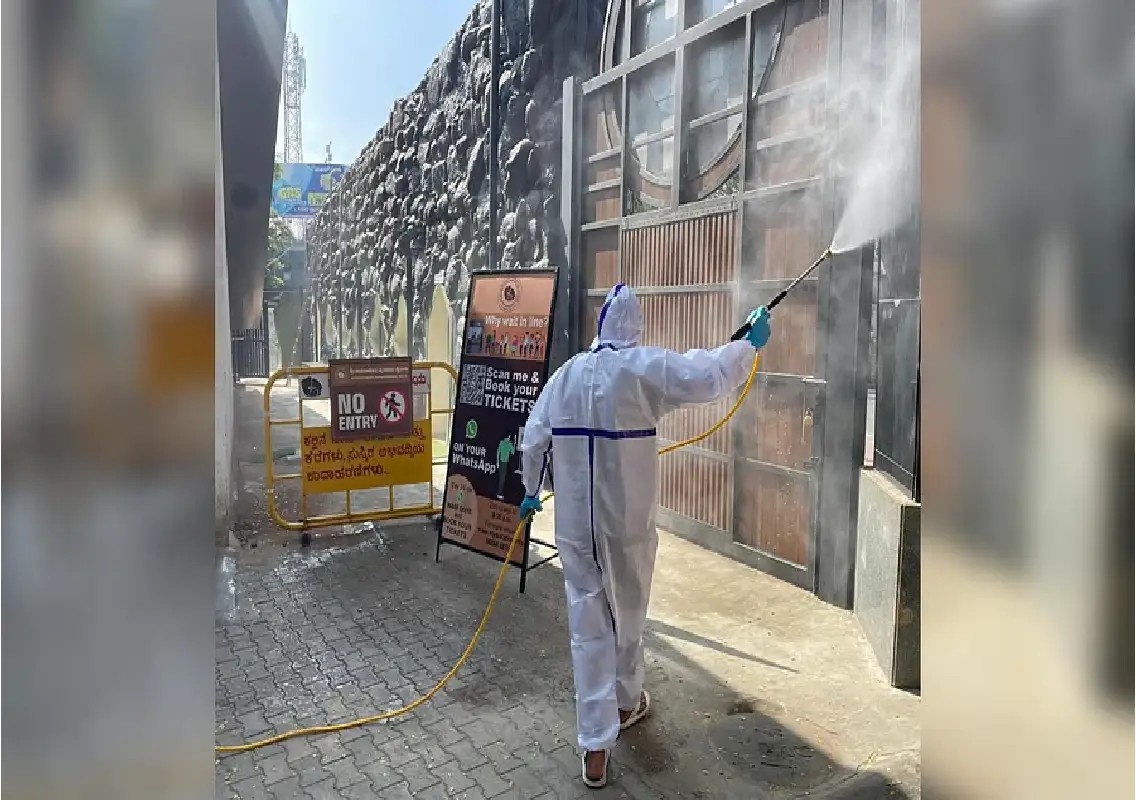


Mysuru: Following the outbreak of H5N1 avian influenza that reportedly killed several peacocks in Tumakuru district, the Sri Chamarajendra Zoological Gardens, popularly known as Mysuru Zoo, has implemented a comprehensive action plan to prevent, control and contain the spread of the disease across its facilities.
The preventive measures have been introduced at Mysuru Zoo, Karanji Lake Nature Park and the Chamundi Wild Animals Rescue Centre at Koorgalli as part of heightened surveillance and biosecurity arrangements.
According to a press release issued by Mysuru Zoo Executive Director P Anusha, strict disinfection procedures, clinical surveillance and safety protocols are being enforced to protect animals, birds and visitors from any possible outbreak.
Officials said the action plan has been prepared in accordance with disease prevention guidelines after concerns emerged over the spread of H5N1 avian influenza in parts of Karnataka.
Strict disinfection measures introduced
As part of the preventive strategy, disinfection procedures have been intensified at all entry points to the zoo and associated facilities.
“All vehicles carrying visitors, staff, officers and food are made to pass through the disinfectant path to ensure proper disinfection,” the Executive Director stated in the release.
Zoo authorities have also instructed staff, keepers and visitors to use foot dips effectively while entering the premises in order to minimise the risk of infection.
In addition, hand sanitisers are being used before and after handling animals, animal waste and food material at all enclosures.
Officials said the measures are intended to strengthen hygiene standards and reduce the possibility of transmission through contaminated surfaces or materials.
The zoo administration has also increased awareness among staff regarding disease prevention practices and personal safety measures.
Clinical surveillance intensified across facilities
The zoo management stated that keepers and veterinary staff have been trained to identify abnormal clinical signs among animals and birds at the earliest stage.
Veterinarians are conducting regular monitoring rounds every day to inspect enclosures and observe the health condition of captive animals and birds.
At Karanji Lake Nature Park, staff members have been specifically instructed to immediately alert senior officials if any migratory bird deaths are noticed within the premises.
Authorities said faecal samples from captive birds at Mysuru Zoo, birds at Karanji Lake and migratory bird populations will be collected and sent for laboratory testing as per instructions issued by the Regional Disease Diagnostic Laboratory.
The surveillance measures are aimed at early detection of any possible infection and preventing further spread within animal facilities.
Safety checks for animal feed and movement restrictions
Zoo authorities have also tightened procedures related to animal feed, particularly in the handling of live fowls brought to the zoo.
Officials said veterinarians are physically examining live birds for symptoms of disease before they are slaughtered and supplied as feed to carnivorous animals.
The birds are also thoroughly washed using potassium permanganate solution before being used, the release added.
As an additional precautionary step, inter-sectional movement of zoo personnel has been restricted temporarily.
Staff members have also been prohibited from visiting poultry farms or bird sanctuaries until the situation related to the H5N1 outbreak is fully under control.
Zoo officials stated that these restrictions are intended to minimise the risk of accidental transmission through human movement.
Rapid Response Team kept on high alert
The Mysuru Zoo administration has placed its Rapid Response Team on high alert to handle any emergency situation linked to avian influenza.
The specialised team comprises a veterinarian, laboratory technician and four zoo keepers trained to respond immediately if any suspected outbreak is detected.
Officials said the team would be activated without delay in case any unusual deaths or symptoms are reported among birds or animals.
The Executive Director stated that all standard safety measures and disease prevention protocols are currently being followed rigorously across all facilities under the zoo administration.
The heightened alert comes amid growing concern over the H5N1 outbreak in Tumakuru district, where the deaths of several peacocks triggered increased monitoring by wildlife and animal husbandry authorities.
Authorities have assured visitors and the public that precautionary measures are being implemented comprehensively to safeguard animal health and prevent the spread of avian influenza within the zoo and surrounding wildlife facilities.