









Mysuru: Chief Minister Siddaramaiah has assured the formation of a vision group comprising experts, urban planners and stakeholders to guide the sustainable development of Mysuru as the city prepares for its proposed expansion into Greater Mysuru.
The Chief Minister made the statement during his visit to Mysuru on Thursday, emphasising the need for planned urban growth that preserves the city’s heritage, greenery and cultural identity while accommodating future development.
The assurance comes at a crucial time when Mysuru is undergoing rapid urban transformation amid concerns over shrinking green cover, deteriorating heritage structures and increasing pressure on civic infrastructure.
Vision group for sustainable urban planning
Speaking during interactions in Mysuru city, Siddaramaiah said a dedicated vision group would help ensure that future development takes place in a scientific and sustainable manner.
According to the Chief Minister, the proposed body would include urban planners, heritage experts, environmentalists and citizen representatives who would collectively contribute ideas for Mysuru’s long-term development.
He noted that Mysuru had historically grown under the visionary planning of Nalwadi Krishnaraja Wadiyar and stressed the importance of maintaining the city’s distinct identity even during expansion.
As a Mysuru native himself, Siddaramaiah said he understood the emotional and historical significance of the city and wanted future development to balance modernization with preservation.
The proposed Greater Mysuru expansion is expected to bring additional villages and urban areas under the city’s administrative framework, increasing both opportunities and planning challenges.
Special package for heritage conservation
The Chief Minister also assured a special financial package for the conservation, restoration and maintenance of nearly 600 heritage structures located across Mysuru city.
Among the structures likely to receive attention are the historic Devaraja Market and Lansdowne Building, both of which have long been at the centre of debates concerning restoration and preservation.
Mysuru was officially declared a heritage city in 2004, and the city contains hundreds of buildings with architectural, cultural and historical importance.
A heritage experts committee had earlier recommended declaring 234 buildings as heritage structures in 2006. However, only 129 buildings have so far been notified as heritage structures by Mysuru Urban Development Authority (MUDA), apart from 32 state-protected monuments and seven centrally protected monuments.
Many heritage experts have repeatedly warned that several old buildings are in a dilapidated condition and require urgent restoration before they become dangerous to the public.
The issue gained renewed attention after the collapse of a compound wall at Bowring Hospital in Bengaluru during recent rains reportedly claimed multiple lives.
Concerns over loss of green cover
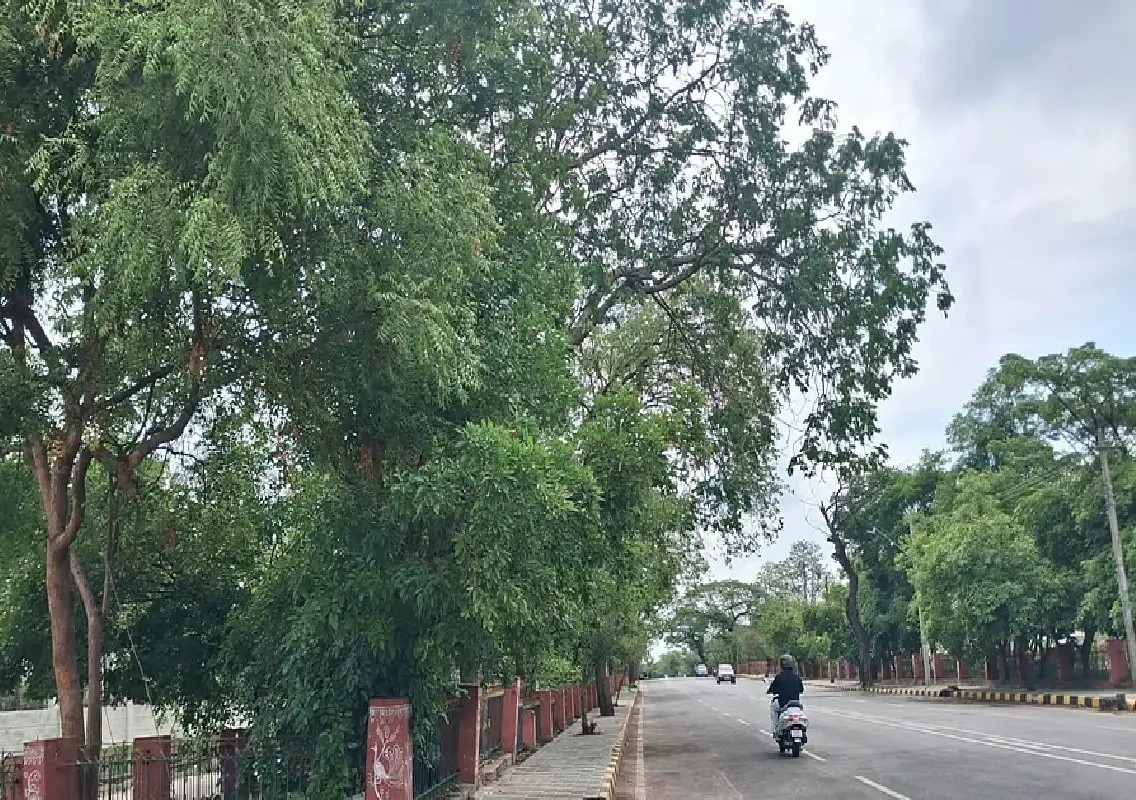
The Chief Minister also responded to concerns regarding the loss of trees and green spaces in Mysuru due to ongoing infrastructure and development projects.
Environmentalists have raised objections to the proposed removal of nearly 770 trees for the Hunsur Road and JLB Road corridor projects, warning that large-scale tree cutting could significantly affect Mysuru’s ecological balance and climate resilience.
Officials pointed out that the Forest Department currently lacks a dedicated tree authority, while the Mysuru City Corporation does not yet have a functioning tree committee.
When questioned about the issue, Siddaramaiah said he would examine the details related to tree felling and environmental concerns before taking further decisions.
Unfulfilled aspirations of Mysureans
Despite Siddaramaiah completing three years of his second term as Chief Minister, several long-pending aspirations of Mysuru residents remain unresolved.
One of the major concerns involves the Centre of Excellence for Studies in Classical Kannada (CESCK), which continues to function without its own land and permanent building despite Kannada receiving classical language status in 2008.
Similarly, Rangayana continues to operate from a limited space behind Kalamandira, while Mysuru still lacks a large cultural convention centre and an international yoga convention facility despite being widely recognised as the yoga capital of the world.
Social activists have also highlighted the plight of nearly 10,000 people living in over 35 slums and roadside settlements in Mysuru. Many among them reportedly lack basic identity documents such as ration cards and Aadhaar cards, preventing them from accessing government welfare schemes.
Experts have suggested conducting a dedicated survey to identify such vulnerable groups and facilitate access to essential government documentation and benefits.
Siddaramaiah assured that the government would consider these suggestions and examine measures to address the concerns raised by experts and citizens.
Focus on balancing growth and heritage
Urban planning experts believe the proposed vision group could play a significant role in shaping Mysuru’s future if implemented effectively with long-term planning and citizen participation.
As Mysuru prepares for expansion under the Greater Mysuru proposal, the challenge before authorities will be balancing rapid infrastructure growth with the protection of the city’s heritage, greenery and cultural identity.
Residents and conservationists now await concrete steps from the government regarding the formation of the vision group and implementation of heritage and environmental protection measures.