







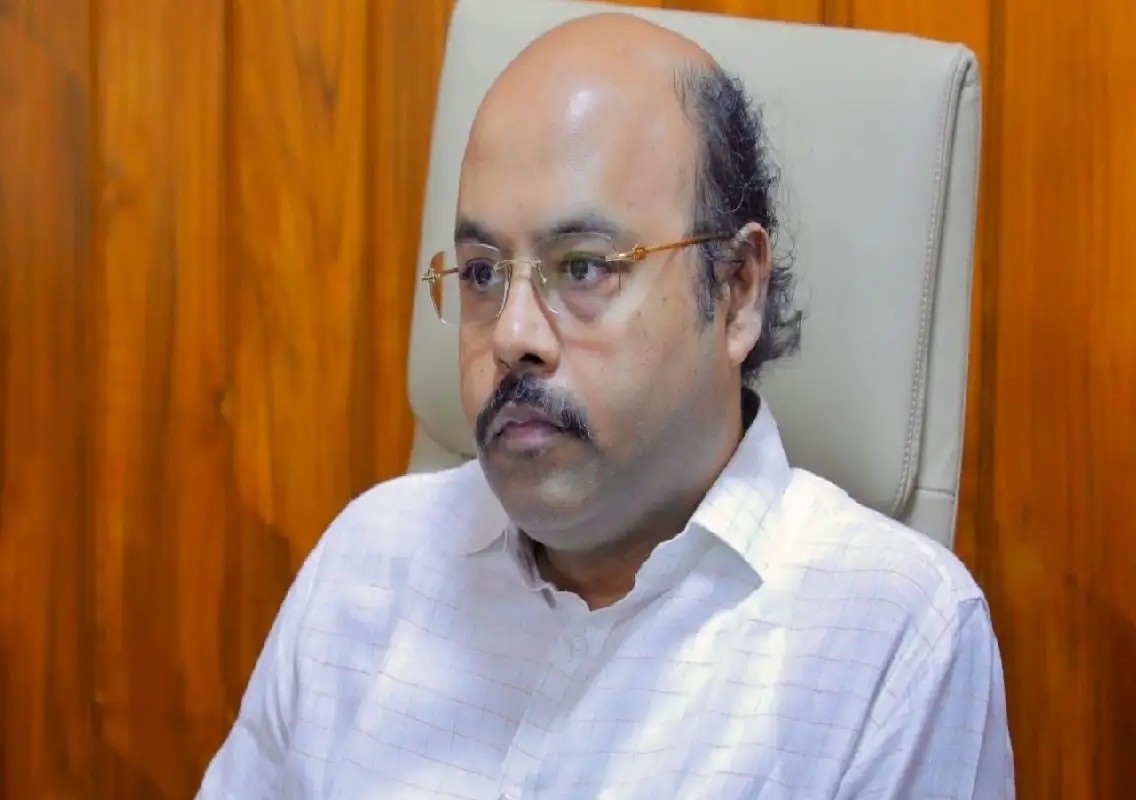


Mysuru: Urban Development and District Minister Yathindra Siddaramaiah has directed Mysuru City Corporation (MCC) authorities to take action against commercial establishments that have failed to pay property taxes for several years.
Speaking at a progress review meeting on Friday, the minister said some commercial establishments had not paid property tax since 2011 and instructed officials to issue notices and initiate action as per rules against those who have defaulted for more than two years.
Action sought against long-term tax defaulters
Yathindra Siddaramaiah expressed concern over the accumulation of property tax arrears and stressed the need for MCC to improve its revenue collection.
He directed officials to identify commercial properties with prolonged tax defaults and take appropriate action after issuing notices to the concerned owners.
The minister’s direction comes as civic authorities seek to strengthen their revenue base and ensure that property owners meet their tax obligations regularly.
He also emphasised the need for better identification and mapping of properties within the corporation’s jurisdiction.
Push for e-khata and property mapping
The minister instructed MCC and other urban local bodies to actively encourage property owners to obtain e-khata and intensify the ongoing drive.
He said all properties under the corporation should be properly mapped to ensure accurate assessment and collection of property tax.
Comprehensive property mapping, he noted, would help civic authorities maintain updated records and identify properties that may have been left out of the tax network or have discrepancies in their records.
The e-khata drive is also expected to make property-related records more systematic and facilitate better administration of urban properties.
Regular rent revision for markets
Yathindra Siddaramaiah also directed MCC authorities to regularly revise rents for markets and commercial shops under the corporation’s jurisdiction.
He said periodic rent revisions could help increase civic revenue and ensure that municipal commercial properties generate appropriate income.
The direction covers markets and commercial establishments operated or managed by MCC, where outdated rental arrangements could limit the corporation’s earnings.
Officials were asked to examine such arrangements and take necessary steps to improve revenue generation.
Alternative spaces for roadside vendors
The minister also reviewed the issue of commercial activity on footpaths and pedestrian areas.
He said shops operating on footpaths were being cleared after identifying alternative market spaces. At the same time, he stressed that small goods vendors using pedestrian areas should be provided with proper designated spaces.
The move is aimed at balancing the need to keep footpaths accessible to pedestrians with the livelihood concerns of small vendors.
Rather than allowing commercial activity to obstruct pedestrian movement, officials have been asked to identify suitable alternative locations where vendors can operate.
Zone-wise commercial spaces proposed
Yathindra Siddaramaiah instructed MCC officials to consult the respective MLAs representing areas within the corporation’s limits and identify locations on a zone-wise basis.
The identified areas could be developed for commercial complexes, food streets and markets, according to the directions issued at the meeting.
Such planned commercial spaces could provide designated locations for businesses and vendors while helping the civic body regulate commercial activity more effectively.
The proposal is also intended to support orderly urban development as the city expands and commercial activity increases.
MLAs raise local civic concerns
Narasimharaja MLA Tanveer Sait highlighted issues related to rental agreements in commercial spaces.
He said people who originally entered into rental agreements with the civic body are often different from those currently operating businesses in those premises.
Sait said such discrepancies need to be corrected so that municipal commercial properties are occupied and operated in accordance with the applicable agreements and regulations.
Chamundeshwari MLA G T Devegowda raised concerns over the growing number of vehicles in the city and the resulting parking problems.
He said vehicles are increasingly occupying roads and called for the development of multi-level parking facilities in every layout.
Focus on civic revenue and urban management
The directions issued at the review meeting cover several aspects of Mysuru’s urban administration, ranging from property tax collection and e-khata to municipal markets, roadside vending and parking.
Improving property mapping and ensuring timely tax payments could strengthen MCC’s revenue position, while regular revision of rents from municipal commercial properties could provide an additional source of income.
At the same time, planned markets, food streets and commercial complexes could help address some of the challenges created by unregulated roadside commercial activity.
The concerns raised by elected representatives also point to the need for long-term solutions to Mysuru’s growing parking and urban infrastructure requirements.
The review meeting therefore placed emphasis on improving civic revenue while ensuring that commercial activity and urban development are managed in a more organised manner.