







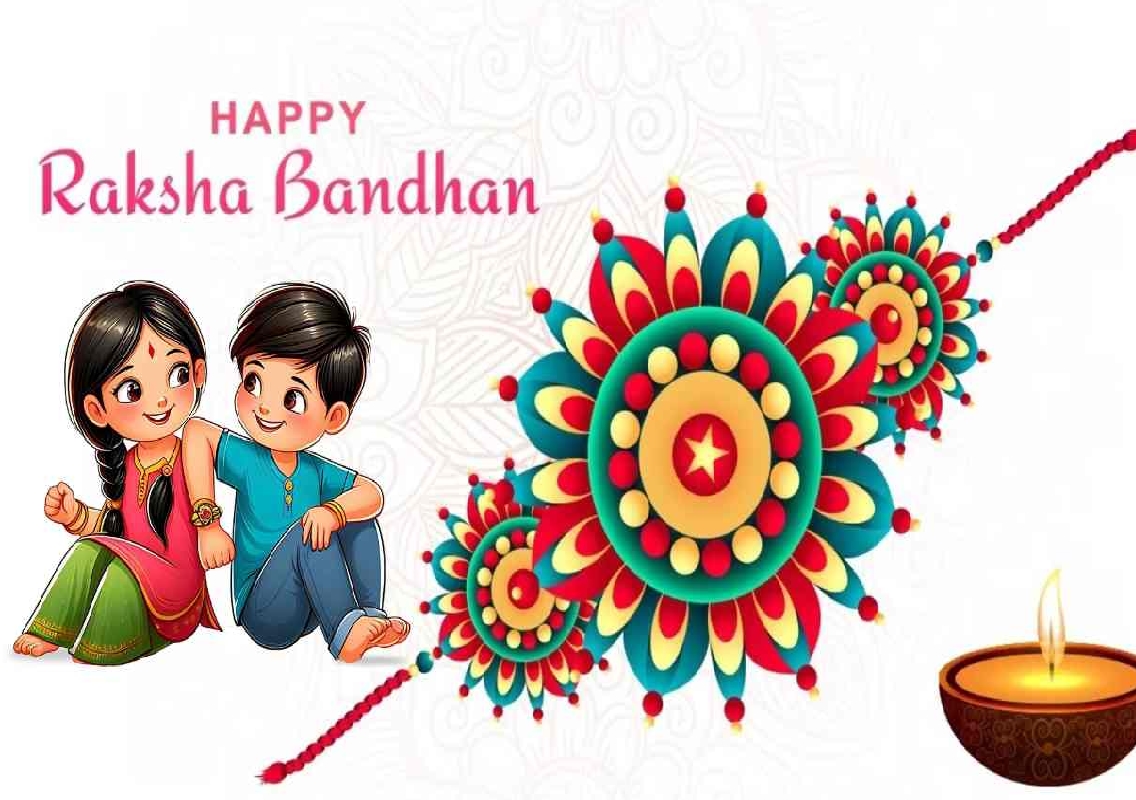


Raksha Bandhan, one of India’s most cherished festivals, is set to be celebrated on August 19, 2024. This annual event holds deep cultural and emotional significance, reinforcing the bond between siblings and transcending geographical boundaries. As families across India and the world prepare for this auspicious occasion, the essence of Raksha Bandhan remains rooted in love, protection, and mutual respect.
The Significance of Raksha Bandhan
Raksha Bandhan, which literally translates to “the bond of protection,” falls on the full moon day of the Hindu month of Shravan. In 2024, this sacred festival will be celebrated on August 19, a day eagerly awaited by siblings who come together to reaffirm their commitment to one another.
The festival is marked by the ritual of tying a rakhi, a sacred thread, around the wrist of a brother by his sister. This act symbolises the sister’s love and prayers for her brother’s well-being, while the brother vows to protect her throughout her life. The rakhi itself has evolved over time, ranging from simple threads to elaborately designed pieces adorned with beads, motifs, and protective symbols.
Mythological and Historical Roots
The origins of Raksha Bandhan are steeped in both mythology and history, with numerous stories highlighting the profound bond between siblings. One of the most revered tales comes from the epic Mahabharata, involving Lord Krishna and Draupadi.
According to the legend, Draupadi once tore a strip from her sari to bind a bleeding wound on Krishna’s wrist. Moved by her selfless act, Krishna vowed to protect her in times of need, a promise he kept during the infamous disrobing episode in the Kaurava court. This story is often cited as a powerful example of the protective bond that Raksha Bandhan celebrates.
The Rituals and Traditions
The celebration of Raksha Bandhan begins with sisters meticulously selecting rakhis for their brothers, each thread chosen with care and often reflecting the unique relationship they share. The ritual typically starts with a prayer and aarti, where the sister invokes blessings for her brother’s health, happiness, and longevity. She then ties the rakhi around his wrist, marking the formal exchange of love and protection.
In return, brothers offer gifts to their sisters, often accompanied by a promise to safeguard her interests and well-being. This exchange is not just material but also emotional, symbolising the enduring support and care that siblings provide each other throughout their lives.
Raksha Bandhan in Modern Times
While rooted in tradition, Raksha Bandhan has evolved to encompass a broader celebration of siblinghood in all its forms. Today, the festival is not limited to biological siblings but extends to cousins, friends, and even those who share a sibling-like bond. This inclusivity reflects the festival’s universal themes of love, protection, and solidarity, making it relevant in contemporary society.
The spirit of Raksha Bandhan also transcends gender and age, with sisters sometimes tying rakhis to each other, or to their sisters-in-law, parents, and even friends, to signify their mutual respect and care. In many communities, women also tie rakhis to soldiers, police officers, and other protectors of society, recognising their role in ensuring the safety and security of the nation.
A Festival of Unity and Harmony
In an increasingly interconnected world, Raksha Bandhan serves as a reminder of the values that bind us together as a society. The festival emphasises the importance of relationships, the duty to protect and care for one another, and the joy of coming together as a family. Whether celebrated with grand festivities or in quiet, intimate gatherings, Raksha Bandhan remains a symbol of the enduring bonds that unite us all.
As we approach August 19, 2024, families around the world will once again participate in the rituals and traditions of Raksha Bandhan, celebrating not just the ties of blood, but the deeper, spiritual connections that make us stronger together.