







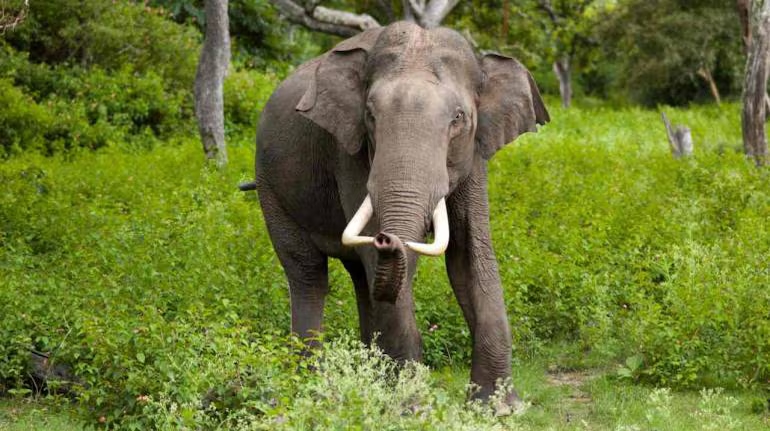


In a significant observation on human–animal conflict and wildlife conservation, the Supreme Court of India on Friday said it would always lean towards animals, who “suffer silently,” when their natural migration paths are obstructed by commercial tourism ventures.
A bench headed by Chief Justice Surya Kant, along with Justices Joymalya Bagchi and Vipul M Pancholi, made the remarks while hearing petitions filed by private wildlife resorts asked to vacate land falling within notified elephant corridors in the Sigur Plateau.
Court leans towards wildlife protection
The petitions challenge actions taken after the Tamil Nadu government notified elephant corridors in the Nilgiris. The bench observed that commercial establishments on such corridors inevitably interfere with elephant movement and aggravate human–animal conflict.
“If at any time there is any doubt where the benefit should go, it must go to these silent victims — elephants and wild animals — of commercial development,” the bench said, underscoring the court’s conservation-first approach.
Background of the Nilgiris case
The matter traces back to a September 12 order of the Madras High Court, which approved the recommendations of an expert committee appointed by the Supreme Court. The committee, headed by former judge K Venkataraman, had found that land purchased by private parties within elephant corridors in the Nilgiris was illegal and that constructions raised there must be dismantled.
The committee was constituted after the Nilgiris district collector informed the apex court that more than 800 constructions — including 39 resorts and around 390 houses — were located inside the Sigur elephant corridor. Based on this, authorities issued demolition notices to 35 resorts last year.
Resort owners seek relief
Senior advocates Salman Khurshid and Shoeb Alam, appearing for some resort owners, argued that many had purchased the land long before elephant corridors were officially notified. They contended that the resorts were operating eco-friendly businesses and should be allowed to continue, subject to a condition that no expansion would be undertaken.
However, the bench noted that the committee’s findings were unambiguous, stating that the establishments were commercial in nature and situated on active elephant corridors.
Final hearing in January
While reiterating the primacy of wildlife protection, the Supreme Court agreed to hear all related petitions together, including older pending cases. The matter has been posted for final hearing on January 5.
The case is being closely watched in conservation circles across southern India, including Karnataka, as it may set a strong precedent on balancing tourism, private property, and the protection of critical wildlife corridors.