







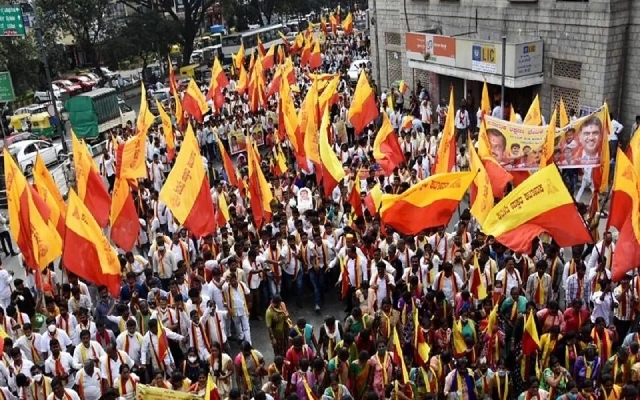


Purushottam Bilimale, head of the Kannada Development Authority, recently voiced a longstanding concern in Bengaluru: that Kannadigas feel outnumbered in their own city. Bilimale’s remarks echo an anxiety that has resonated for decades, although census data does not conclusively support the claim of non-Kannadigas overtaking Kannadiga numbers. Nevertheless, with delayed census updates, these perceptions linger.
Kannada activism spans nearly a century, initially targeting cultural preservation in public festivals, cinema, and jobs. Today, it’s directed largely at affluent north Indian migrants, especially Hindi speakers seen as dismissive of local values. Scholars argue that the activism’s core motivation remains economic mobility and resisting Hindi dominance, though fears of Kannada’s decline and the impact of neoliberal policies on agrarian communities have intensified antagonistic feelings.
Recent issues highlight this ongoing struggle: removing Hindi from Metro boards, enforcing Kannada signboards, pushing for bilingual policies, and addressing job preferences for local residents. These concerns often polarize discussions online into “Kannadigas vs outsiders,” with calls for Kannada respect met with counterclaims that Bengaluru’s success owes much to its migrant workforce.
Figures like autorickshaw driver Madhu Kumar illustrate grassroots discontent, pointing to the visibility of north Indian labor in traditionally local jobs and informal transit services. Many feel that open arms have led to diminished opportunities for locals, sparking an evolving debate about identity, economy, and belonging in Bengaluru.
Read Also: