







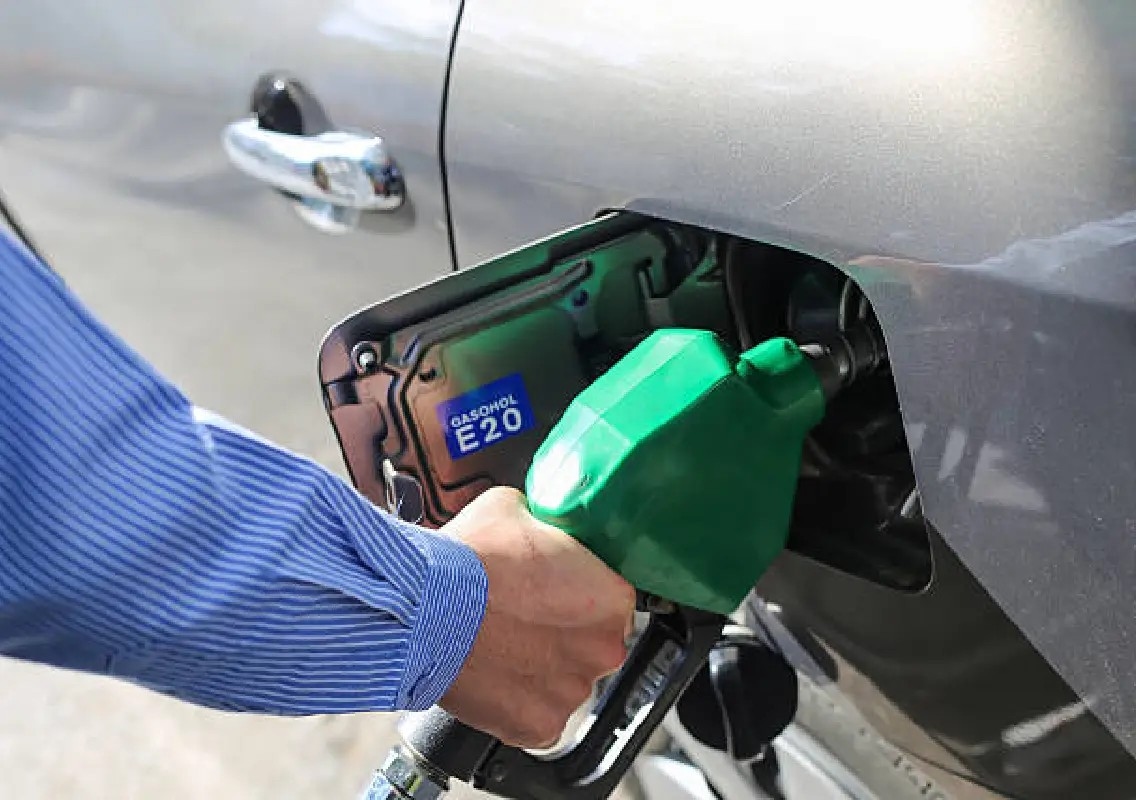


Udupi: The nationwide rollout of E20 petrol, a fuel blend containing 20 per cent ethanol and 80 per cent petrol, has evoked mixed reactions among motorists, traders and automobile mechanics in Udupi. While the Union government says ethanol blending will reduce crude oil imports, cut carbon emissions and strengthen India’s renewable energy programme, several vehicle owners and repair professionals have expressed concerns about its impact on older vehicles.
With two-wheelers serving as the primary mode of transport for thousands of people in Udupi, the debate has shifted from policy discussions to practical concerns over vehicle performance, fuel efficiency and maintenance costs. Many residents have called for greater public awareness about E20 fuel and the option to choose between ethanol-blended and conventional petrol.
Call for consumer choice
President of the Udupi Varthakara Sangha, Airody Sahanashila Pai, said vehicle owners should be given the freedom to choose the type of fuel best suited to their vehicles.
He noted that, according to experts, vehicles manufactured before 2023 were generally not designed to run on E20 petrol, whereas many vehicles manufactured after 2023 are compatible with higher ethanol blends.
Pai suggested that fuel stations should offer both ethanol-blended and conventional petrol so consumers can make informed choices based on their vehicle’s specifications.
He also said policymakers should consider the views of automobile mechanics as well as experts involved in fuel production before implementing widespread changes.
Mechanics report recurring complaints
Local two-wheeler mechanic Venkatesh said many customers have approached his workshop with fuel system-related issues, particularly involving older motorcycles.
According to him, several complaints relate to carburettor components such as the petrol needle, where rubber parts become damaged, resulting in blocked jets and interrupted fuel supply.
He said fuel-injected motorcycles generally appear to experience fewer problems, but older carburettor-equipped models continue to generate repeated complaints.
Even after replacing carburettors, some customers reportedly return with similar issues, leading mechanics to suspect that ethanol-blended fuel may be contributing to the problem.
Venkatesh said replacing a carburettor in commonly used commuter motorcycles typically costs between ₹1,000 and ₹1,500, while smaller components such as the fuel needle cost around ₹150 to ₹200.
He added that many mechanics, based on their experience and discussions within the profession, believe ethanol-blended petrol may be linked to these recurring issues, although individual vehicle conditions may also vary.
Garages facing customer dissatisfaction
Another Udupi-based mechanic, Vishwanath, said garages are increasingly facing criticism from customers when fuel-related problems occur.
He explained that some newer motorcycles perform well with E20 petrol, but many older vehicles were never designed to operate on higher ethanol blends.
According to him, customers often assume the problem lies with the repair work rather than the fuel itself. Even after seeking repairs at multiple workshops, the issues sometimes persist, ultimately affecting the reputation of mechanics.
Vishwanath suggested that fuel stations should provide customers with the option of choosing between conventional petrol and ethanol-blended petrol, similar to the existing system of regular and premium fuel.
Government backs ethanol blending
The Union government has consistently promoted ethanol blending as part of its strategy to reduce India’s dependence on imported crude oil, lower vehicular emissions and encourage the use of renewable fuels.
Officials maintain that E20 petrol has undergone extensive testing and is suitable for vehicles specifically designed or certified to operate with higher ethanol blends.
Most major automobile manufacturers have also begun producing vehicles that are compatible with E20 fuel in line with the government’s phased implementation plan.
Experts point to possible mileage differences
Industry experts have observed that ethanol contains lower energy content than conventional petrol.
As a result, some vehicles may experience a slight reduction in fuel economy depending on factors such as engine design, vehicle age, maintenance standards and driving conditions.
Experts also emphasise that vehicle owners should follow manufacturers’ recommendations regarding fuel compatibility to minimise operational issues.
Need for awareness and informed decisions
While supporters of E20 petrol highlight its environmental advantages and contribution to India’s energy security, many motorists and mechanics in Udupi believe the transition requires greater public awareness.
Residents say clear guidance on vehicle compatibility, expected performance and maintenance requirements would help consumers make informed decisions and improve confidence in the new fuel.
Several also believe that offering motorists a choice between conventional petrol and E20, particularly during the transition period, could address many of the concerns being raised by owners of older vehicles.
As E20 gradually becomes the standard fuel across the country, the experiences of everyday commuters, mechanics and vehicle owners are expected to remain central to the ongoing discussion about balancing environmental goals with practical challenges on the road.