







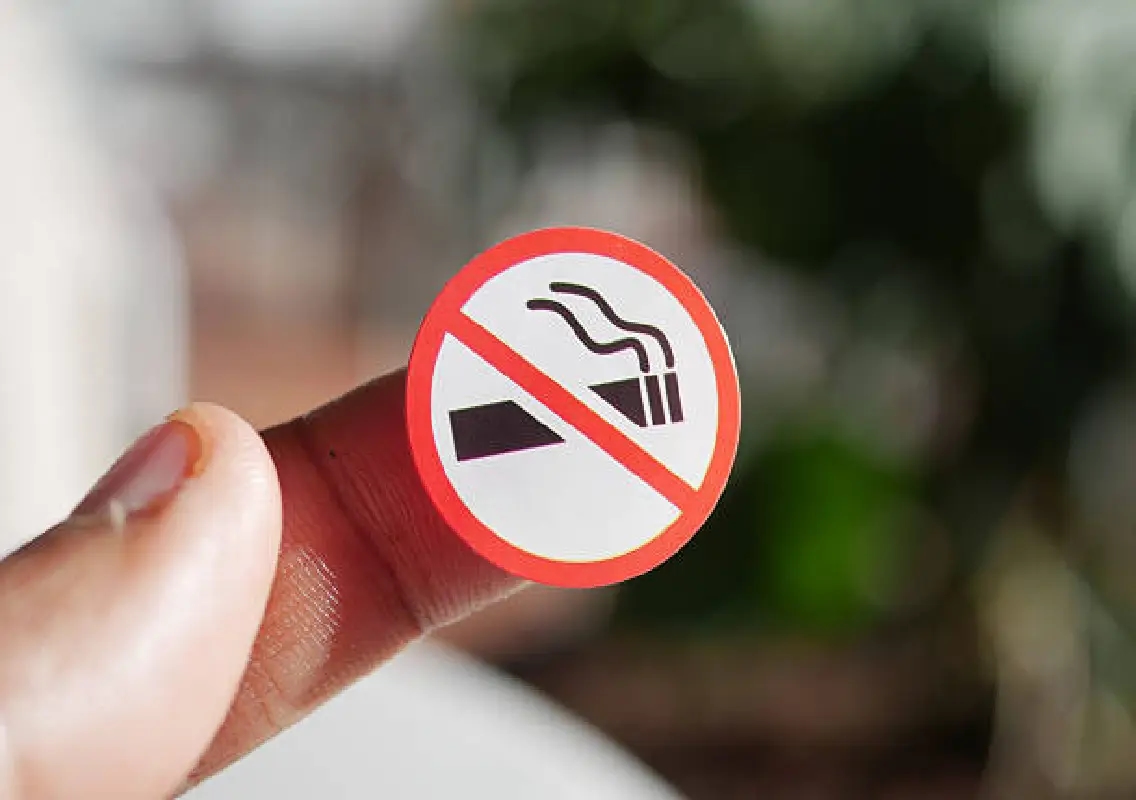


Udupi: Despite sustained awareness campaigns by the health department and other enforcement agencies, tobacco consumption continues largely unchecked across Karnataka. Official data shows that in just one month, as many as 16,031 cases were registered under the Cigarettes and Other Tobacco Products Act (COTPA), 2003, with fines amounting to Rs 17,51,250 collected, highlighting persistent violations and gaps in enforcement.
The COTPA was enacted to reduce deaths and serious health hazards linked to tobacco addiction by restricting smoking in public places, regulating the sale of tobacco products and mandating health warnings. However, officials and public health activists point out that implementation on the ground remains weak, allowing violations to continue almost unabated.
District-wise violation figures
Data from the health department indicates that violations are widespread across districts, including coastal Karnataka. In Udupi district alone, 437 cases were booked during the period, with fines totalling Rs 53,500.
Mangaluru city recorded 275 cases, resulting in the collection of Rs 11,300 as fines, while Dakshina Kannada district registered 361 cases with penalties amounting to Rs 20,720. Officials said these figures represent only detected violations, suggesting that the actual extent of tobacco use in public places may be far higher.
Health officials noted that enforcement teams are often understaffed and unable to conduct continuous inspections, leading to sporadic action rather than sustained monitoring.
Public smoking ban widely flouted
Under COTPA, smoking is prohibited in a wide range of public places, including schools and colleges, bus stands, railway stations, theatres, hotels, bars, restaurants, pubs, clubs, community halls and government offices.
Despite the clear legal prohibition, violations are being reported from almost all such locations. Bus stands and roadside areas remain among the worst affected, with people smoking openly, often in crowded spaces. Commuters and pedestrians, including women and senior citizens, frequently complain of discomfort and forced exposure to second-hand smoke.
Officials admitted that while cases are booked during inspections, the deterrent effect remains limited due to the relatively low frequency of checks.
Sale near educational institutions continues
The long-standing order banning smoking and the sale of tobacco products within 100 metres of educational institutions continues to be in force. However, enforcement of this provision has proven particularly challenging.
Easy access to cigarettes, the widespread use of two-wheelers by students and the continued sale of tobacco products near school and college campuses have rendered the restriction largely ineffective. Several petty shops and kiosks continue to sell cigarettes and other tobacco products in violation of norms.
Parents and educators have expressed concern that students are being exposed to tobacco at a young age, undermining years of awareness campaigns conducted in schools and colleges.
Bars and commercial establishments ignore norms
Even bars, restaurants and other commercial establishments are frequently found violating smoking regulations. While designated smoking areas are mandatory in certain establishments, many continue to allow cigarette consumption indiscriminately.
With the exception of select locations such as Mangaluru airport and a few major restaurants in coastal districts, designated smoking zones are largely absent. This has resulted in people smoking freely in common areas, creating discomfort for non-smokers.
Public health experts warn that such unchecked exposure increases the risk of respiratory illnesses, especially among children, pregnant women and the elderly.
Impact on the public
At busy locations such as bus stands, people are often seen covering their noses or hurriedly moving away to avoid smoke. Women and minors, in particular, are forced to endure excessive exposure due to the lack of enforcement and absence of smoke-free zones.
Activists argue that the issue is not a lack of law but a lack of consistent and strict implementation. “People know smoking in public is illegal, but they are not afraid of penalties because enforcement is irregular,” a public health campaigner said.
Increased fines but limited deterrence
This year, the state government increased the fine for smoking in public places from Rs 200 to Rs 1,000 in an effort to strengthen deterrence. In cases where tobacco products are sold without statutory health warnings on packaging, manufacturers can face fines of up to Rs 10,000 and imprisonment of up to five years.
However, officials admit that enforcement is often limited to imposing nominal fines. Inspections frequently end with warnings and photographs rather than strict legal action, reducing the impact of the higher penalties prescribed under the law.
Enforcement mechanisms in place
To improve compliance, district-level coordination committees under the leadership of deputy commissioners and taluk-level committees headed by tahsildars are functioning across Karnataka. Joint enforcement drives involving the health department, district surveillance units and the police are being conducted periodically.
Measures such as sudden raids, installation of warning boards at schools, colleges and public places, and coordinated inter-departmental action are being continued. Authorities say these efforts aim to gradually bring tobacco consumption under control.
Conclusion
The registration of over 16,000 COTPA cases in a single month underscores the scale of tobacco-related violations in the state. While laws and enforcement mechanisms exist, their impact remains limited without sustained, visible and strict action. Public health experts stress that stronger enforcement, coupled with continued awareness campaigns, is essential to protect non-smokers and reduce tobacco addiction in the long run.