







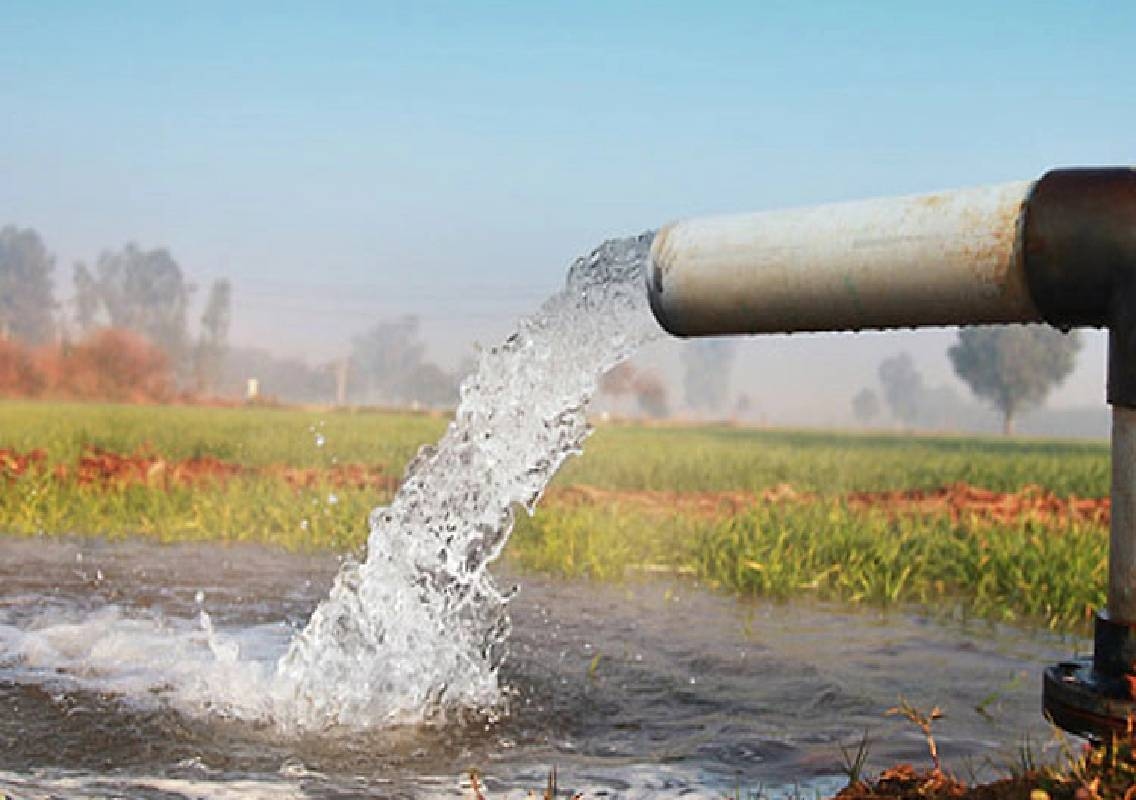


Udupi: Groundwater levels in Udupi district have remained under pressure even during the monsoon this year, raising concerns about drinking water availability, agriculture and other water-dependent activities. The situation has been linked to a substantial rainfall deficit recorded across the district in 2026.
According to groundwater and rainfall data cited in recent reports, Udupi received only 2,559.30 mm of rainfall between January 1 and September 23, 2026, compared with 5,248 mm recorded during 2025. This represents a deficit of 2,689 mm, or 48.76 per cent, compared with the previous year’s rainfall.
The rainfall shortage has become particularly significant towards the end of the southwest monsoon. September has recorded a rainfall deficit of more than 80 per cent, adding to concerns that groundwater recharge may remain inadequate.
Groundwater recovery slower than expected
Udupi is traditionally known for heavy monsoon rainfall, but the groundwater situation this year has not followed the usual seasonal pattern.
Data cited in the report show that the district’s average groundwater depth for January to December 2025 was 6.83 metres. In March last year, the groundwater level was 9.05 metres below ground level. With the arrival of the monsoon, however, the situation improved considerably, with the level reaching 2.73 metres in July 2025.
The trend in 2026 has been different. Groundwater levels were recorded at 10.08 metres below ground level in February and fell further to 11.02 metres in April.
Although the southwest monsoon began later, groundwater recovery remained slower than expected. The groundwater level stood at 7.93 metres below ground level in June, improving to 4.82 metres in July and 4.13 metres in August.
While the figures indicate some recovery during the monsoon months, the levels remain a concern because rainfall has been significantly below normal and the southwest monsoon season is nearing its end.
Udupi faces a major rainfall shortfall
Udupi’s annual normal rainfall is around 4,535 mm. Against this benchmark, the district was already facing a shortfall of about 1,976 mm by September 23, according to the reported data.
The rainfall gap was particularly visible during the core monsoon months. Compared with the rainfall received in 2025, the district recorded shortages of around 558 mm in June, 1,058 mm in July and 774 mm in August.
September has brought further uncertainty, with the rainfall deficit exceeding 80 per cent. This has increased concerns over both surface water sources and groundwater recharge.
The situation is significant because rainfall alone does not guarantee groundwater replenishment. The amount of water that enters the soil and reaches aquifers depends on rainfall intensity, soil conditions, land use, drainage patterns and the availability of recharge structures.
Coastal region needs greater water conservation
Experts have pointed out that groundwater conditions in coastal Karnataka can change relatively quickly because water can both recharge and drain from the soil at a faster rate.
Dr Dinakar Shetty, senior geologist with the Groundwater Directorate in Udupi, stressed the need to conserve and make effective use of every drop of rainfall. He also suggested the use of drip irrigation in agriculture, particularly as changes in rainfall patterns and higher temperatures can increase evaporation.
For households, farms and institutions, the situation highlights the importance of rainwater harvesting and groundwater recharge measures. Even short periods of heavy rain can result in considerable surface runoff if the water is not captured through suitable structures.
The present rainfall pattern therefore makes it important to retain rainwater wherever possible rather than allowing it to quickly flow into drains, streams and rivers.
District administration takes precautionary measures
The Udupi district administration has reportedly begun preparations to address the possible impact of the rainfall deficit and the wider El Niño-related weather situation.
Meetings have been held with officials from agriculture, horticulture and other related departments. Authorities have also instructed officials to place shutters on check dams and similar structures to conserve available water.
The administration has directed officials to give priority to drinking water requirements and assess the situation before taking further measures.
These steps assume greater importance because groundwater is used for multiple purposes across the district, including domestic consumption, agriculture and other daily activities.
Dakshina Kannada also records groundwater decline
The concern is not limited to Udupi. Groundwater levels have also fallen in parts of neighbouring Dakshina Kannada district.
Data for nine taluks in Dakshina Kannada showed groundwater levels at 10.73 metres below ground level in June 2026, 9.11 metres in July and 7.93 metres in August.
The decline was particularly noticeable when compared with 2025. In June last year, the groundwater level was recorded at 6.42 metres, compared with 10.73 metres in June 2026. In July, the level changed from 7.07 metres in 2025 to 9.11 metres this year. In August, it moved from 7.44 metres to 7.93 metres.
Mangaluru, Moodbidri and Ullal recorded notable groundwater depths during the three months, according to the reported figures.
Why groundwater conservation matters now
The current situation serves as an indication that coastal Karnataka cannot depend entirely on its traditionally high monsoon rainfall. A significant reduction in rainfall can quickly affect groundwater recharge and the availability of water sources.
Rainwater harvesting, recharge pits, farm ponds, check dams and other local water-conservation measures can help retain water within catchment areas. In agricultural areas, efficient irrigation systems such as drip irrigation can also help reduce unnecessary water consumption.
For urban areas, protecting open spaces and natural drainage channels is equally important. Unrestricted paving and construction can reduce the amount of rainwater that naturally infiltrates the ground.
The coming months will therefore be important for Udupi and neighbouring coastal districts. If the post-monsoon and northeast rainfall periods also remain weak, the pressure on drinking water sources could increase further.
Conclusion
Udupi’s groundwater levels falling even during the monsoon, coupled with a 48.76 per cent rainfall deficit up to September 23, has highlighted the district’s vulnerability to changing rainfall patterns. While the administration has initiated precautionary measures, long-term water security will depend on conserving available rainfall and improving groundwater recharge.
With September rainfall already showing a deficit of more than 80 per cent, the need to conserve water cannot be limited to the summer months. The present situation makes rainwater harvesting, efficient agricultural irrigation and protection of local water sources important measures for maintaining water availability in Udupi and across coastal Karnataka.