







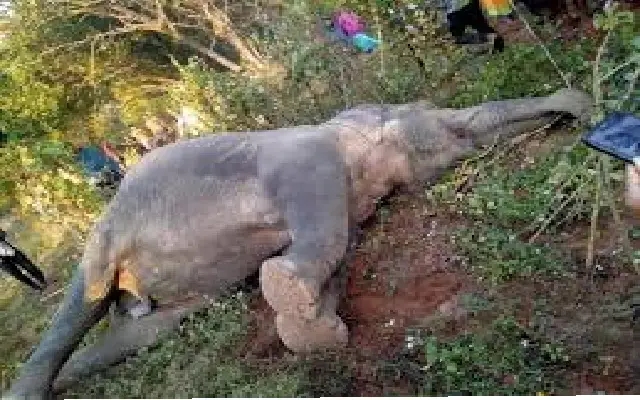


The lush landscapes of Kodagu, renowned for their rich biodiversity and dense forests, have long been home to a substantial elephant population. However, recent years have witnessed a troubling rise in elephant deaths, sparking deep concern among conservationists, local authorities, and the public alike.
The elephants of Kodagu face multiple threats, primarily stemming from human-wildlife conflict exacerbated by habitat fragmentation and encroachment. As human settlements expand into traditional elephant territories, confrontations increase, leading to tragic outcomes for both humans and elephants. Incidents of elephants straying into villages, damaging crops, and sometimes being met with retaliatory measures have been reported frequently.
Moreover, issues like electrocution from illegal electric fences, accidental ingestion of plastic and other non-biodegradable materials, and railway accidents further jeopardize their survival. These incidents underscore the urgent need for comprehensive conservation strategies and enhanced habitat protection measures.
Conservation efforts in Kodagu are pivotal, focusing on mitigating human-elephant conflicts through innovative methods such as elephant corridors, where safe passages are created to enable the animals to move between fragmented habitats without crossing paths with humans. Initiatives also include community outreach programs to educate locals about coexistence and the importance of preserving natural habitats.
Local authorities and wildlife experts emphasize the importance of strict enforcement of wildlife protection laws, including monitoring and penalizing illegal activities that endanger wildlife. Additionally, promoting sustainable agricultural practices that minimize crop damage and prevent retaliatory killings is crucial in fostering harmonious relationships between humans and elephants.
In conclusion, while Kodagu remains a haven for wildlife, concerted efforts are essential to safeguard its majestic elephants and ensure their coexistence with human communities in a sustainable manner.