


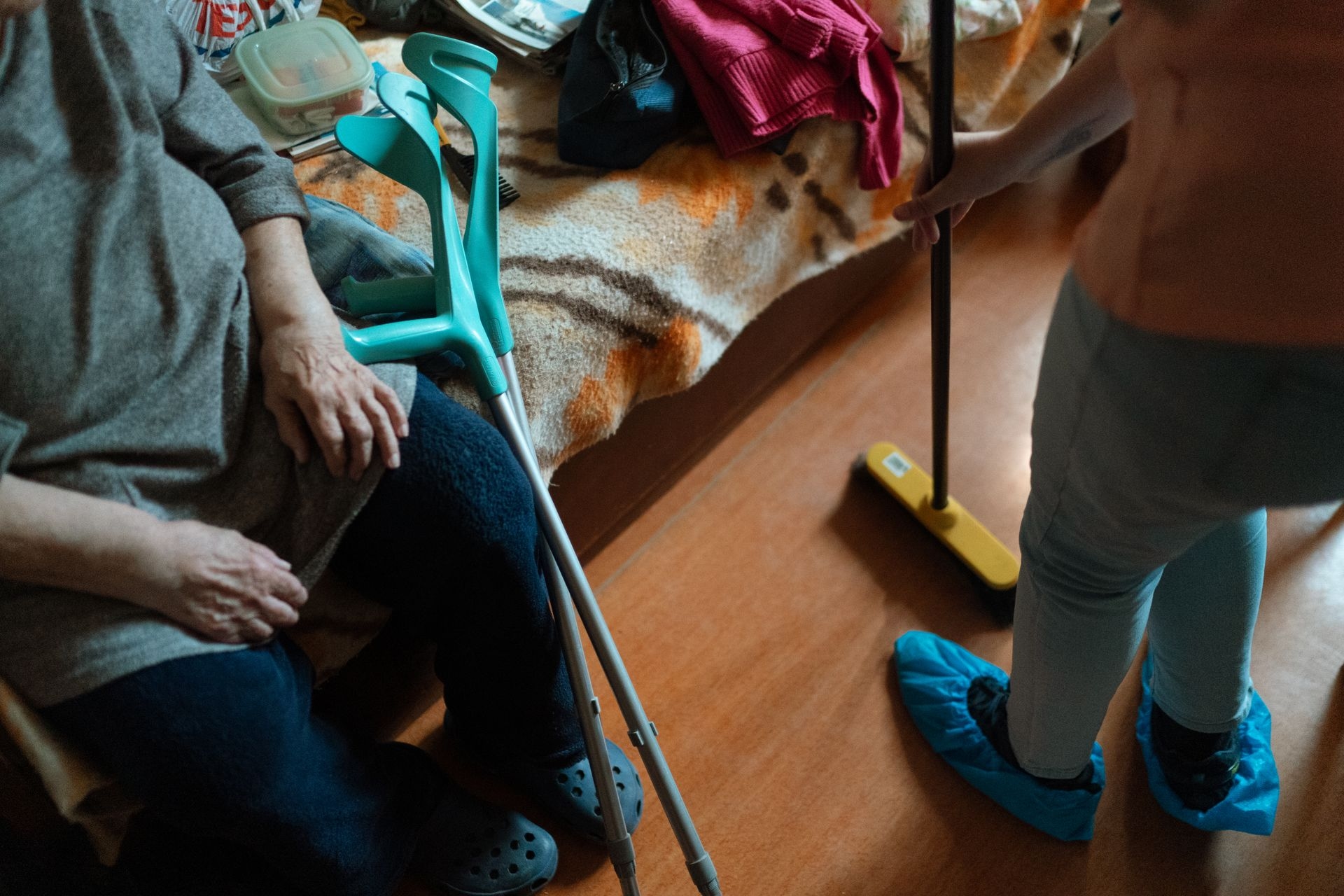


Getting older doesn’t announce itself. It’s the small things first. The morning routine that used to take twenty minutes now takes twice that. The stairs that were never a thought are suddenly something to plan around. The family notices before the person does, usually.
Most families in Bangalore are managing this alongside full working days, school runs, and commutes that aren’t short. The parent or grandparent at home needs more help than one person can give. That’s not a failure. It’s just how it goes.
An elderly caregiver at home helps with the ordinary things. Not the dramatic moments. The ones that happen every single day without anyone noticing until they don’t.
1. Morning Routine and Personal Care
The morning is where most of the work is.
Bathing, getting dressed, combing hair, and brushing teeth are all part of elderly care. Things that happened without thought for decades now need more time, more steadiness, sometimes another pair of hands. A wet bathroom floor is a risk that wasn’t there before. Buttons are harder than they used to be. Bending down to put on footwear isn’t straightforward anymore.
A caretaker moves through the morning routine without making it feel like a procedure. They help with bathing safely, assist with dressing without taking over completely, and make the whole thing feel like just getting through the morning rather than something that needs to be managed.
The family leaves for work knowing this part of the day is handled. That matters more than it sounds.
2. Medicines on Time
Looks simple from the outside. Isn’t always.
An elderly person managing four or five medicines at different times, some with food, some without, and some that can’t be taken close together. It’s genuinely easy to lose track. A dose gets missed. Two get taken too close together. The evening one gets forgotten because a visitor came or the television was on.
A caretaker keeps a proper log. What was taken, when, what’s due next, anything that needs food before it’s taken. They don’t guess, and they don’t skip. If something looks different or a reaction appears, they say so rather than waiting to see what happens.
Elderly care services at home that cover medication management take a very specific kind of worry off the family completely.
3. Meals and Fluids Through the Day
Appetite in older adults is unpredictable. Some days eating feels like too much effort. Some days the person simply forgets, which sounds unlikely until you’ve actually watched it happen.
A caretaker makes sure meals happen at roughly the same time each day. They assist with serving and, where needed, with feeding, without making it feel like more than it is. They keep water nearby and encourage fluids through the day because dehydration in elderly patients happens quietly and causes more trouble than most families realise until something goes wrong.
When appetite drops off more than usual, they notice. And they mention it to the family rather than letting it go.
4. Moving Around the House Safely
Bangalore homes weren’t really built with older adults in mind. Smooth mosaic floors that get slippery after mopping. Bathrooms without grab bars. A step at the building entrance that was never a problem for thirty years and suddenly is.
A caretaker stays close during movement through the house. Getting up from a chair, walking to the kitchen, managing the bathroom, navigating that entrance step. They assist without hovering in a way that makes the person feel incapable, because independence matters and a good caretaker understands the difference between helping and taking over.
Falls set things back in ways that take months to undo. Having someone present during the ordinary moments when they tend to happen is not a small thing.
5. Company Through the Day
This one is on the list because it genuinely belongs there.
The family leaves in the morning and comes back in the evening. That’s a long stretch of hours. An elderly person who was used to a full house, to noise, to people around, now spends most of the day with the television for company.
Elderly care isn’t only physical. A caretaker who’s present, who talks, who notices when the mood has shifted and responds to it simply without making it into a bigger conversation, changes what those hours feel like.
It doesn’t fix the loneliness that comes with getting older. It makes it easier to sit with.
Disclaimer: This article is general information only and not medical advice. Please speak to your doctor before arranging caretaker services, particularly for elderly patients with ongoing medical conditions.