







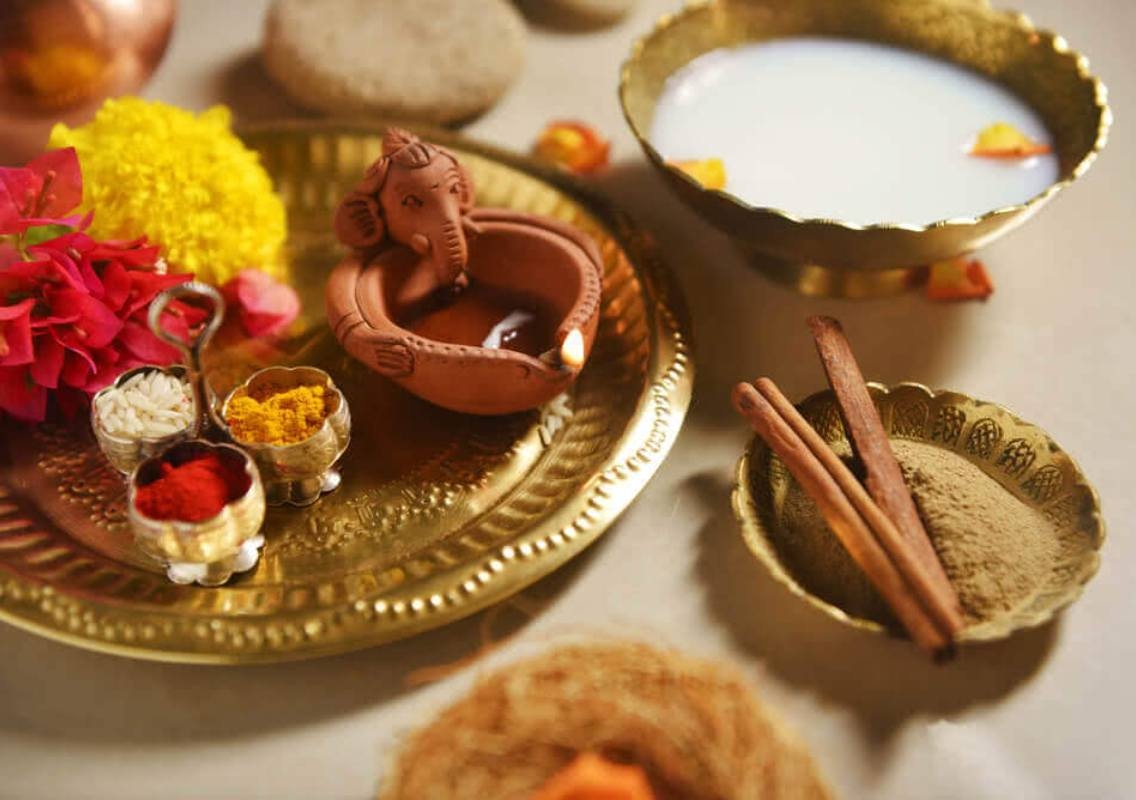


New Delhi: Abhyang Snan, the traditional ritual bath observed during Diwali, will be performed on Sunday, November 8, 2026, on the occasion of Narak Chaturdashi. According to Drik Panchang, the auspicious muhurat for the ritual is from 5:41 am to 6:38 am, giving devotees a 57-minute window to complete the sacred bath.
The ritual is an important part of Diwali celebrations in several Hindu households. It involves applying warm sesame oil to the body, followed by a traditional bath using herbal or natural cleansing ingredients. Devotees believe that observing Abhyang Snan during the prescribed period helps cleanse the body and mind, remove negativity and bring spiritual purification.
Also known as the ritual bath of Narak Chaturdashi, Abhyang Snan is traditionally performed after moonrise and before sunrise while the Chaturdashi Tithi is in effect. The observance is associated with the belief that taking the sacred bath on this day helps protect devotees from Narak, or hell.
With Narak Chaturdashi falling on November 8 this year, devotees can prepare for the ritual the previous night and perform it during the early morning muhurat.
Abhyang Snan 2026 date and shubh muhurat
Abhyang Snan will be observed on Sunday, November 8, 2026, coinciding with Narak Chaturdashi, which is also known as Choti Diwali.
According to Drik Panchang, the auspicious time for the ritual bath begins at 5:41 am and ends at 6:38 am. The total duration is 57 minutes.
The timing is significant because the ritual is traditionally performed after moonrise but before sunrise, while Chaturdashi Tithi remains active.
The important timings for the observance are:
- Festival: Narak Chaturdashi
- Date: Sunday, November 8, 2026
- Abhyang Snan muhurat: 5:41 am to 6:38 am
- Duration: 57 minutes
- Moonrise: 5:41 am on November 8
- Chaturdashi Tithi begins: 10:47 am on November 7
- Chaturdashi Tithi ends: 11:27 am on November 8
The Chaturdashi Tithi begins on November 7 and continues into the morning of November 8. Devotees observing the ritual are traditionally advised to follow the prescribed early morning muhurat.
Since auspicious timings can vary according to location and the local sunrise and moonrise, devotees may also consult a regional panchang for location-specific guidance.
What is Abhyang Snan?
Abhyang Snan is a traditional Hindu bathing ritual performed during the Diwali period, particularly on Narak Chaturdashi. The word ‘Abhyang’ refers to an oil massage, while ‘Snan’ means bathing.
The ritual begins with an oil massage, traditionally using sesame oil, followed by a bath. Natural ingredients such as gram flour, turmeric and sandalwood may be used as part of the cleansing process.
Unlike an ordinary morning bath, Abhyang Snan has religious significance and is performed during a specific auspicious period. The ritual is intended to symbolise the removal of impurities and negative influences.
Devotees believe that the practice helps purify both the physical body and the mind. It is also associated with spiritual renewal and the beginning of the festive day with positive thoughts.
The tradition is observed in different ways across households and regions, but the central elements remain the oil massage, sacred bath and associated prayers.
Significance of Abhyang Snan on Narak Chaturdashi
Abhyang Snan is closely connected with the religious significance of Narak Chaturdashi. According to traditional belief, devotees who perform the ritual bath during the prescribed period can avoid Narak, or hell.
The observance is therefore considered more than a customary cleansing practice. It is regarded as an act of spiritual purification and a prayer for protection from negative influences.
The use of sesame oil is an important part of the ritual. Devotees massage the oil over the body before bathing, symbolising the cleansing of physical and spiritual impurities.
The ritual is also believed to encourage discipline and mindfulness. Preparing for the bath, waking up before sunrise and performing the associated prayers are considered ways of beginning the festival with devotion.
Abhyang Snan is not limited to Narak Chaturdashi in every tradition. It may also be observed on Amavasya and Pratipada during the five-day Diwali celebrations. However, the Chaturdashi observance is considered the most important.
The five-day Diwali festival begins with Dhantrayodashi and continues through Narak Chaturdashi, Lakshmi Puja, Govardhan Puja and Bhai Dooj, with regional variations in the way the days are observed.
How to perform Abhyang Snan at home
Devotees can prepare for Abhyang Snan the night before to ensure that the ritual is completed within the auspicious time.
The traditional procedure includes an oil massage, application of ubtan, bathing, wearing fresh clothes and performing prayers.
The following steps outline the commonly followed practice.
1. Prepare the oil and ubtan
Keep slightly warm sesame oil ready before going to bed. An ubtan mixture can also be prepared using gram flour, a pinch of turmeric, sandalwood powder and either rose water or milk.
These ingredients are traditionally used during the cleansing ritual. The mixture should be prepared in a consistency that can be comfortably applied to the skin.
An apamarga sprig, also known as Achyranthes aspera, may be kept ready for the associated religious practice.
2. Wake up before sunrise
Wake up early enough to complete the preparations before the prescribed muhurat.
Light a lamp as part of the traditional observance. Devotees then begin the oil massage, applying slightly warm sesame oil from the scalp to the feet.
The massage is an important element of Abhyang Snan and is traditionally performed before the bath.
3. Apply ubtan before bathing
After the oil massage, apply the prepared ubtan over the body. Leave it on for a few minutes before bathing.
The combination of gram flour, turmeric and sandalwood is traditionally used as a natural cleansing mixture.
Devotees then take the ritual bath during the auspicious period.
4. Perform the apamarga ritual
During the bath, the apamarga sprig is traditionally moved around the head three times while reciting a Sanskrit mantra.
The mantra is:
“सीतालोष्ठसहयुक्तः सकण्टकदलान्वितः। हर पापमपामार्ग भ्राम्यमाणः पुनः पुनः॥”
The meaning of the mantra is:
“O Apamarga, with the clod of ploughed earth, your thorns and your leaves, as I turn you round and round, take away sin.”
This practice is associated with the traditional belief in removing sins and negative influences.
5. Wear fresh clothes and apply tilak
After completing the bath, devotees wear clean and fresh clothes. A tilak is then applied as part of the religious observance.
The ritual is followed by prayers and other traditional offerings.
What is Yama Tarpan and how is it performed?
Yama Tarpan is another important part of the Narak Chaturdashi observance. It is performed as a prayer to Yama, the Hindu deity associated with death and justice.
Traditionally, devotees face south while performing the offering. They take water mixed with black sesame seeds and offer three handfuls for each of Yama’s 14 names.
The practice is associated with prayers for protection from an untimely death and for the well-being of family members.
Drik Panchang also mentions offering three handfuls of water for Pitamaha Bhishma. This observance is traditionally followed even by those whose fathers are alive.
The offerings are made with devotion as part of the day’s religious practices. The ritual reflects the importance attached to prayers for longevity, protection and remembrance in Hindu traditions.
Final offerings to Krishna
The Abhyang Snan observance concludes with offerings to Krishna. Devotees traditionally offer a lamp, a flower and a sweet as part of the prayer.
These offerings mark the completion of the ritual and are made with devotion.
The sequence of practices, from the sesame oil massage and sacred bath to Yama Tarpan and the final offerings, forms an important part of the Narak Chaturdashi tradition.
Why Abhyang Snan remains an important Diwali tradition
Abhyang Snan continues to be observed as a meaningful Diwali tradition because it combines personal cleansing with religious devotion.
For many families, the ritual is also an opportunity to begin the festival day together, following practices passed down through generations. The early morning bath, traditional ingredients, prayers and offerings give the observance its distinctive character.
In 2026, devotees will observe Abhyang Snan on November 8, with the muhurat from 5:41 am to 6:38 am, according to Drik Panchang.
Those planning to perform the ritual can prepare the required ingredients in advance and follow the traditional sequence during the auspicious period. The observance is ultimately centred on purification, devotion and prayers for protection and well-being during the Diwali festival.