







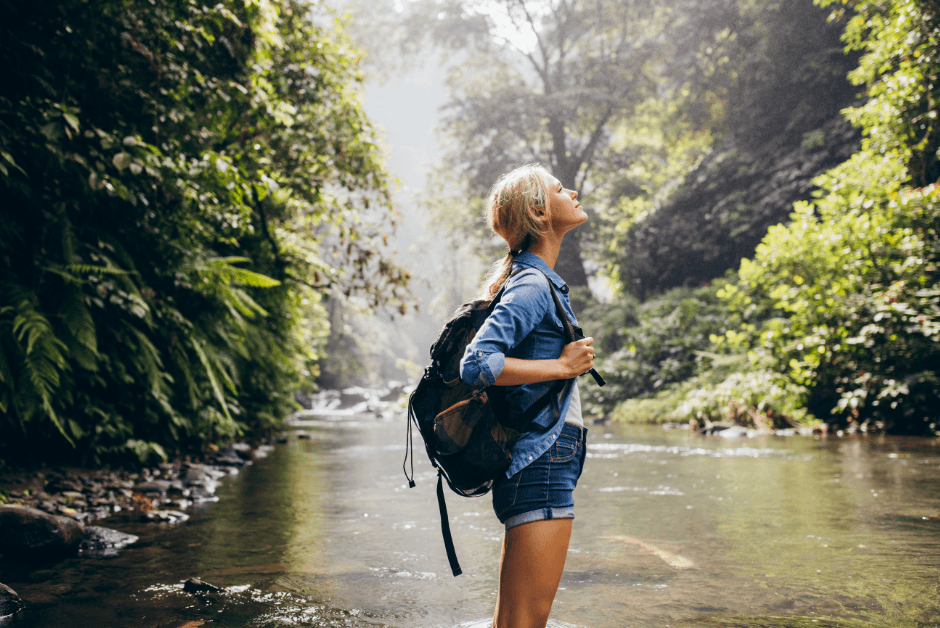


Going on outdoor activities is one of the most exciting things one may be looking for, depending on the reason for going outside. Whether going on a camping weekend, a demanding trail hike, or an extended multiple-day hiking trip, you want to be ready to have a fun, physical, and safe adventure. Enjoyment in the shire’s nature destinations requires a thorough checklist to prepare for any escape, regardless of duration or intensity level.
1. Research and Planning
Like in most outdoor activities, you begin by researching and coming up with the best way to undertake it. Knowledge about the terrain, weather likely to prevail in this area, and other aspects of danger that one is likely to encounter is essential; look at the maps, other travelers’ posts, and the weather conditions. Another important thing that should be explained to a person is your intentions, such as the direction and the estimated arrival time. Some of these mishaps can be avoided if adequate planning is carried out before the adventure, enhancing the enjoyment of the journey.
2. Pack the Essentials
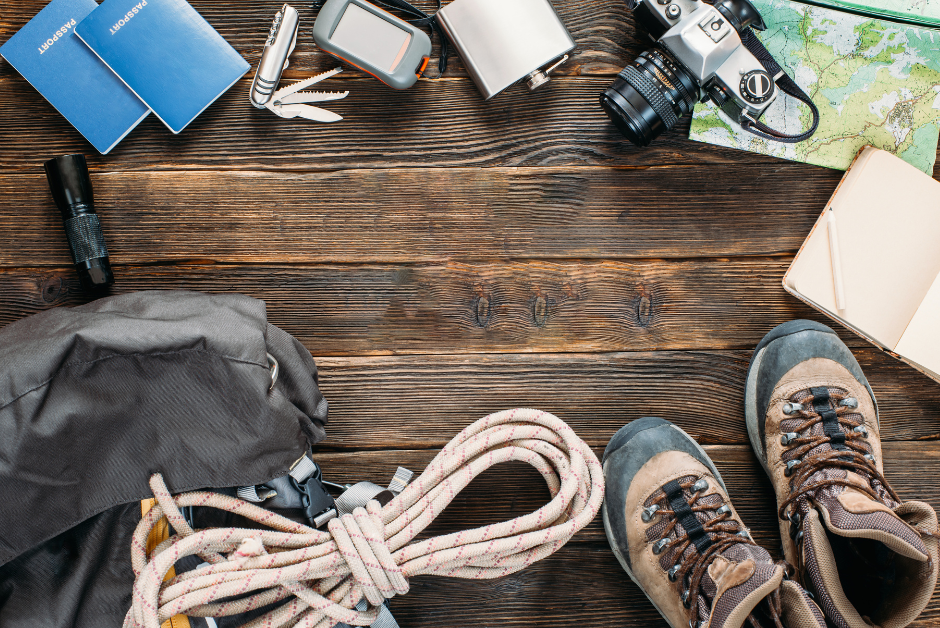
That is why it is wise to remember certain essentials when preparing to embark on an outdoor adventure. Start with the basics: shelter, food, and water are some of man’s basic needs, especially in emergencies. For your trip, you might require a tent where you will sleep, other equipment such as sleeping bags, and a portable stove, and if you are sourcing your water from any sources other than streams, you necessitate a water purification device. Make sure also to carry several sets of clothes that will cater to the different weather conditions in the wilderness if necessary. Also, spare food and water, foil or plastic, medications, a first-aid kit, fire-starting materials, a flashlight, or a headlamp may be helpful. These essentials can dramatically determine how comfortable and safe you are during your ride.
3. Let’s be sure you have all the necessary tools to start
To ‘complete the toolbox’ of any hunting or outdoor activity, there can be a few more essential items than pocket knives. These are handy for several uses, such as ropes to prepare food and emergencies like first aid. First aid a pocket knife; choose one that is strong enough, portable, and has several functions, including being sharp on one side, a flathead screwdriver on the other, and scissors at the bottom of the knife. Thus, having good pocket knives on hand could improve your readiness to face different unpredictable scenarios, so you must consider a pocket knife as one of your essential tools when going outdoors. Always do not forget to pack a honer to sharpen the knife during the exercise.
4. Take Your Food and Water Intake With A Plan
Food and water are vital to helping you sustain energy in whichever outdoor activity you are engaged in. Try to prepare your meals in advance depending on the diet you want to maintain; light meals that do not need heavy cooking are good to go. Preparing trial mix-candy* bars, dried food, and jerky is helpful. For water, take enough for the whole duration of your tour, and if you plan to source it from various water sources, bring water pua, a verification system, and an Ora tablet with you. Eating also requires a lot of energy and water to endure wilderness activities.
5. Prepare for Emergency Situations
Regardless of a person’s plans with their finances, there is always something that can occur that was not planned, and being ready is crucial. Begin with a well-stocked first aid kit, gauze, disinfectant solution, painkillers, and other particular medications an individual might require. Find out the basic techniques for handling an emergency and how the items in the kit work. Also, carry an emergency communication device, which includes an incluincludesersonal locator beacon, particularly for outings in the wilderness. Developing an emergency contingency plan if something goes wrong can help save a lot of time and give one the confidence should something go wrong.
6. Minimize This practice is about following the seven principles for leaving no trace during outdoor activities
Sustainable travelers comprehend the value of the earth’s features and do not spoil it. Leave No Trace is a collection of seven measures designed to minimize the adverse impact of human activity on the environment. Some signs include throwing trash where it should be, not harming wildlife, and not destroying plants. You should review the following principles and resolve to abide by them whenever you go out. Thus, when you Leave No Trace, you contribute to preserving the environment for future generations of people with a passion for outdoor activities.
7. Learn how to Mentally and Physically prepare yourself
Adventures in the great outdoors have their share of physical and psychological activities. In the preparation process, it is advisable to do some physical training to enhance stamina, strength, and flexibility. Any exercise that prepares the muscles for the challenge that comes with hiking is ideal, including running and weight lifting, among other regimes. Reducing or preventing adverse psychological effects is done by having positive thinking and preparing for corresponding changes. Yoga and imagination exercises can make a person peaceful and keep him on the right path irrespective of the fact that he is facing some or other problem. Mentally and physically, it will make it easier to appreciate the journey and conquer the difficulties.
Conclusion
Adventures allow a person to discover and experience the external environment, face challenges, and simultaneously make cherished moments. But the best way of having a good time when gambling is by ensuring that one engages in the exercise adequately prepared. With this extensive guide, it is possible to be ready to meet the world’s challenges by researching where to go, choosing appropriate clothing and gear, and mentally preparing yourself, e. Each traction is significant in making the adventure yucca successful, so selecting a pocket knife is essential. Finally, be ready and prepared, and welcome the spirit of the outdoors with a bang!