







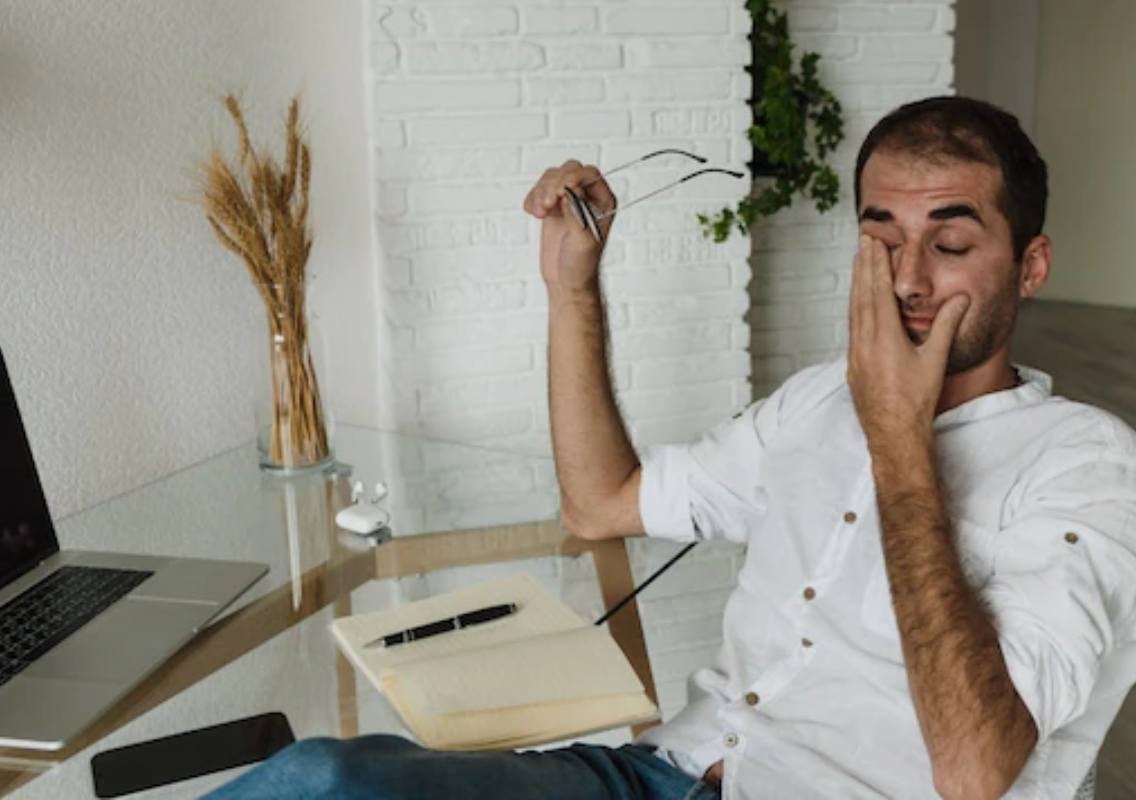


New Delhi: Smartphones, laptops and other digital screens have become part of everyday life, often occupying several hours of our waking day. Add prolonged near work, inadequate sleep, sedentary habits, an unhealthy diet and limited time outdoors, and the eyes can face a considerable daily burden.
Ageing eyes are often associated with older adults, with difficulty reading small print, needing brighter light or holding a phone farther away commonly regarded as inevitable signs of growing older. However, eye discomfort and visual fatigue are increasingly relevant to younger people as well.
This does not mean that looking at screens literally makes the eyes age overnight. Age-related eye conditions have their own biological, genetic and environmental risk factors. However, prolonged screen use and certain lifestyle habits can contribute to digital eye strain, dry-eye symptoms and visual fatigue.
For children and young adults, extensive near work combined with inadequate outdoor time has also been associated with a greater risk of developing myopia, or short-sightedness.
How prolonged screen use affects the eyes
One of the most common effects of extended screen use is digital eye strain.
When people concentrate on a screen for long periods, they tend to blink less frequently and may also blink incompletely. Blinking helps spread the tear film across the surface of the eye, keeping it lubricated and comfortable.
Reduced blinking can therefore contribute to dryness and irritation. Some people may experience burning, watering, a gritty sensation or tired eyes after spending several hours looking at a phone or computer.
Prolonged near work can also contribute to visual fatigue. Whether someone is responding to emails, reading documents, gaming or scrolling through social media, the eyes remain focused at a relatively close distance for extended periods.
After prolonged near work, some people may temporarily find it harder to shift their focus comfortably between nearby and distant objects.
These symptoms are generally associated with eye strain rather than permanent damage caused simply by looking at a screen.
Why children need particular attention
The concern is different when it comes to children.
Children and young adults spend increasing amounts of time on near-work activities, including studying, reading and using digital devices. At the same time, they may spend less time outdoors.
Research has linked greater outdoor exposure with a lower risk of myopia in children. While myopia has multiple contributing factors, including genetics, increasing outdoor time is considered an important part of strategies aimed at reducing the risk of its development.
Parents can therefore encourage children to take regular breaks from close-up activities and spend time outdoors each day.
Poor sleep can leave eyes tired and irritated
Sleep is another important part of maintaining overall wellbeing and comfortable vision.
Late-night work, scrolling on smartphones and watching videos can push bedtime later, reducing the amount of sleep a person gets. People who regularly sleep poorly may wake with tired, dry or irritated eyes and can experience difficulty concentrating visually.
The relationship can also become a cycle. Spending long periods on screens late at night may encourage delayed sleep, while insufficient sleep can leave people feeling more tired during the following day.
The answer is not necessarily to eliminate technology. Establishing a consistent sleep schedule and creating some distance from screens before bedtime can help support healthier sleep habits.
Lifestyle and eye health are connected
Eye health does not exist separately from overall health.
Smoking, poorly controlled diabetes and high blood pressure are among the factors associated with an increased risk of several eye conditions. Cardiovascular and metabolic health can also influence long-term eye health.
A balanced diet containing vegetables, fruits, nuts, seeds and other nutrient-rich foods can provide nutrients needed for normal body and eye function. Regular physical activity is also important for maintaining overall health.
This does not mean that a particular food or supplement can prevent all eye diseases. Nutrition works as part of a broader healthy lifestyle rather than as a substitute for appropriate medical care.
Outdoor time can be especially useful for children
Spending time outdoors is one of the simplest lifestyle changes that can benefit children, particularly in relation to myopia risk.
The precise reasons why outdoor exposure appears protective against myopia are still being studied, but research has consistently associated more time outdoors with a lower likelihood of developing the condition.
For adults, outdoor activity also provides an opportunity to move away from prolonged near work and sedentary screen use.
A walk, outdoor sport or simply spending time outside can therefore form part of a healthier daily routine, alongside exercise and adequate rest.
Try the 20-20-20 approach
People who spend long periods working on computers or other screens can use the 20-20-20 approach as a simple reminder to take regular visual breaks.
After about 20 minutes of screen use, look at something roughly 20 feet away for around 20 seconds. The purpose is to interrupt prolonged near focusing and give the eyes a brief change of focus.
Other practical measures can also help:
- Keep the screen at a comfortable viewing distance.
- Adjust screen brightness and room lighting to reduce unnecessary glare.
- Make a conscious effort to blink regularly while concentrating on a screen.
- Take short breaks during long periods of computer or phone use.
- Avoid holding screens unnecessarily close to the face.
- Encourage children to balance near work with outdoor activity.
- Maintain a regular sleep schedule.
- Stay physically active and follow a balanced diet.
People with persistent dry-eye symptoms should not rely indefinitely on self-treatment. An eye-care professional can determine whether there is an underlying cause and advise on appropriate treatment.
Do not dismiss warning signs as screen fatigue
Not every eye problem is caused by excessive screen use.
Persistent blurred vision, eye pain, significant redness, flashes of light, a sudden increase in floaters or any noticeable change in vision should be evaluated by an eye-care professional.
Sudden vision changes in particular should not simply be attributed to tiredness after using a phone or computer. Some eye conditions require prompt assessment, and delaying care can have consequences for vision.
Regular eye examinations can also help identify problems that may not cause obvious symptoms in their early stages, particularly for people with risk factors such as diabetes or a family history of certain eye diseases.
The goal is a healthier digital routine
Modern life is unlikely to become less dependent on technology. For most people, avoiding screens altogether is neither practical nor necessary.
The more realistic approach is to use digital devices thoughtfully while giving the eyes adequate breaks and supporting overall health through sleep, exercise, nutrition and outdoor activity.
Screens can contribute to eye strain and dryness, but they should not be blamed for every change in vision. True age-related eye conditions have complex causes and cannot be reduced to screen exposure alone.
The eyes need regular care throughout life. A healthier routine — with breaks from near work, sufficient sleep, physical activity, balanced nutrition, outdoor time and appropriate eye examinations — can help people take better care of their vision without turning everyday technology into something to fear.