









As global headlines grow heavier and international cooperation faces increasing strain, it is easy to feel that the multilateral world order is fragmenting. Yet history offers a calmer perspective. Long before the term “globalisation” existed, civilisations were already deeply connected through the exchange of ideas, goods and traditions.
Across mountains, deserts and oceans, these quiet exchanges shaped societies in lasting ways. One of the most powerful examples of this shared human story is tea — a simple leaf that travelled the world and became a cultural bridge across continents.
Tea’s roots in ancient China
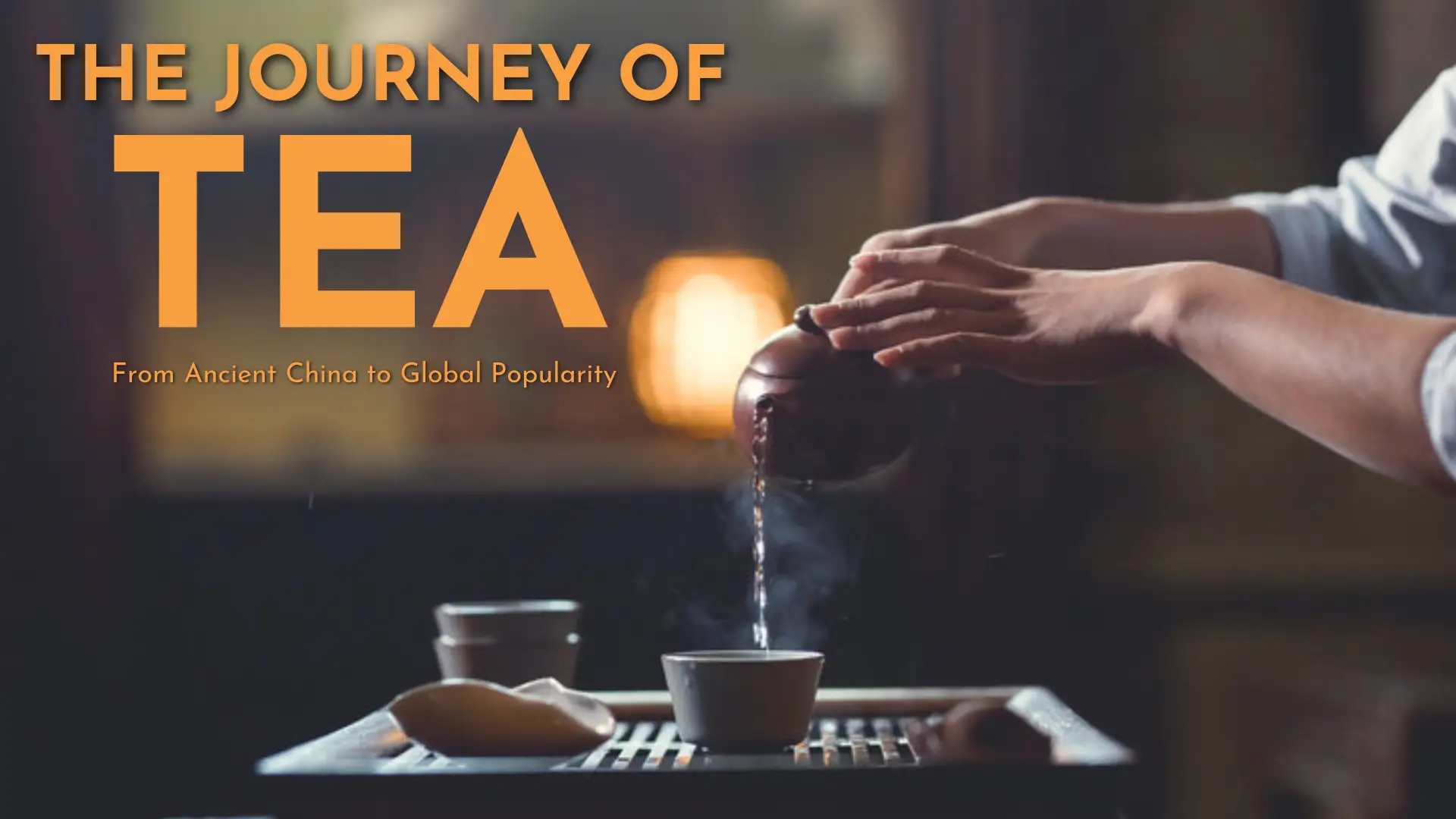
Tea originated in ancient China as a medicinal leaf before evolving into a daily beverage and cultural symbol. Along historic trade routes such as the Silk Road, tea was exchanged not merely for money but for warhorses, spices and precious goods essential to kingdoms and empires.
For nearly a thousand years, the tea-for-horses trade connected China with neighbouring nomadic societies. Even today, across Central Asia — including Kazakhstan, Uzbekistan and Mongolia — tea remains woven into social customs and everyday life, adapted to local tastes and traditions.
From European luxury to everyday ritual
Tea’s journey into Europe further highlights the power of cultural exchange. Introduced by Dutch traders in the 17th century, tea soon became a symbol of refinement among Europe’s elite. By the mid-19th century, Britain’s appetite for tea was so intense that it inspired high-speed shipping competitions known as the Tea Races.
The Industrial Revolution transformed tea once again. Steamships shortened distances, colonial plantations reshaped supply chains, and mechanisation made tea affordable for ordinary households. What began as a medicinal leaf became a shared daily ritual across the world.
Stories that connect humanity
This timeless journey inspired the podcast Made in Ancient China, created by journalist Li Yi. The series explores how ancient inventions — including tea, rice, silk and paper — travelled across continents, absorbing local wisdom and transforming civilisations.
Rather than belonging to one nation, these innovations became shared human achievements, reminding us that cultures grow richer when they meet.
A lesson for today
In times when global cooperation is questioned, tea’s story offers reassurance. Connection is not a modern trend to defend or abandon — it is part of human nature. Across centuries, shared ideas and exchanges have shaped who we are, proving that quiet connections often endure longer than conflict.