


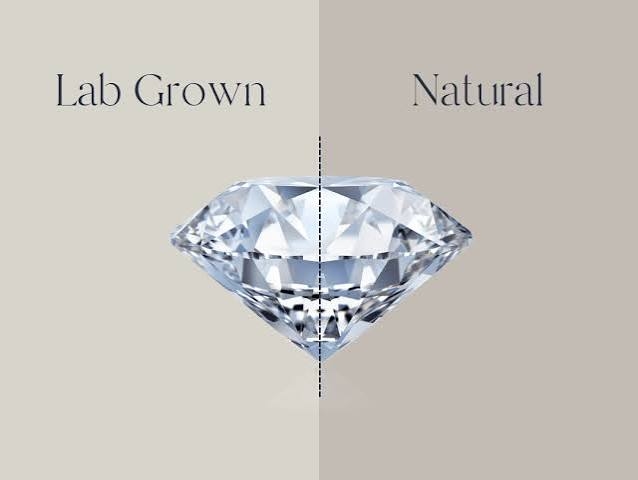


Mumbai: Lab-grown diamonds may no longer dominate jewellery conversations as they did when the category first gained popularity, but industry players say demand remains strong. With the festive season and wedding purchases gathering pace, these diamonds continue to attract buyers looking for larger stones, contemporary designs and affordable luxury.
For 28-year-old Pune-based IT professional Chetna Arora, choosing an engagement ring has become a weekend priority. She has been exploring different designs and considering whether a lab-grown diamond could help her find a larger solitaire within her budget.
Initially, the option did not even occur to her. A friend suggested she consider lab-grown diamonds, pointing out that they could offer a bigger stone at a lower price. However, Arora’s partner and mother remain apprehensive, leaving her undecided.
Her dilemma reflects a larger question surrounding the category. Although lab-grown diamonds have become more visible in the Indian jewellery market, some buyers continue to associate natural diamonds with tradition, emotional value and social acceptance.
Bhumika Singh, 31, who owns a natural solitaire, says she understands why people choose lab-grown diamonds but would still prefer a natural stone for an engagement ring. She worries that others might interpret a lab-grown purchase as a sign that the buyer spent less or placed less importance on the occasion.
Her concern highlights a perception that continues to influence high-value jewellery purchases, even as younger consumers become more open to alternatives.
Yet, industry representatives say the market has evolved considerably since lab-grown diamonds first entered mainstream conversations. Customers are asking more detailed questions about quality, certification, design and pricing rather than simply trying to understand what these stones are.
Lab-grown diamonds: What has changed in the market?
Lab-grown diamonds entered the jewellery market with a straightforward proposition: consumers could buy a diamond with the same essential physical, chemical and optical properties as a natural diamond, but at a considerably lower price.
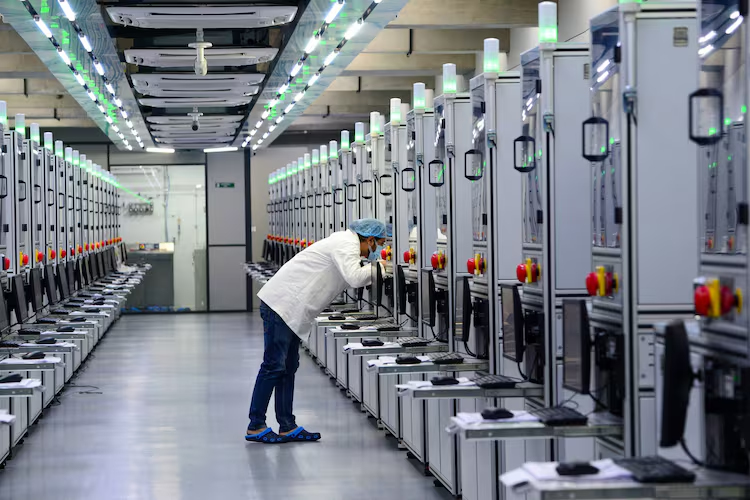
The affordability factor made the category attractive to younger buyers and people who wanted larger stones without spending several lakh rupees. The stones are created in controlled laboratory environments using technological processes that replicate the conditions under which natural diamonds form.
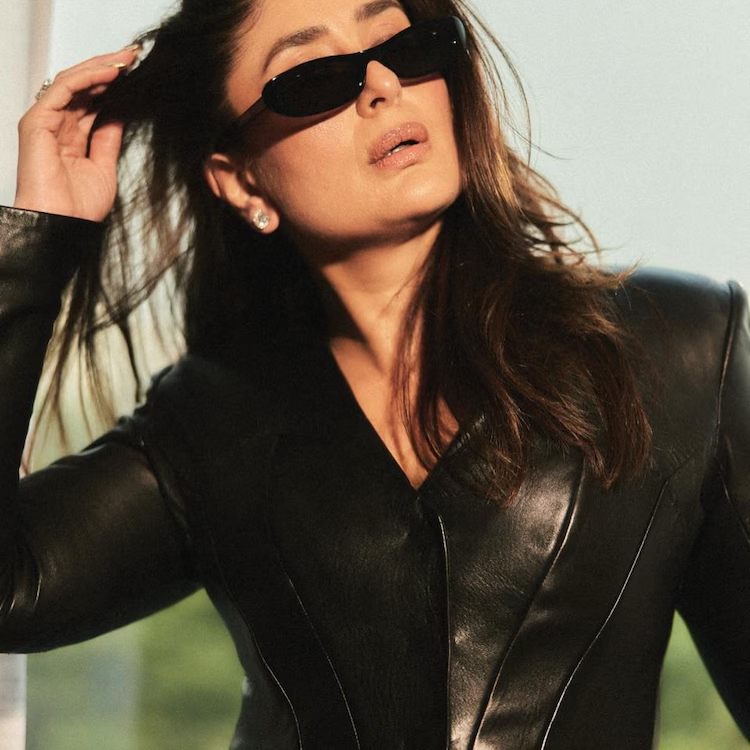
Their increasing visibility has also been supported by public figures and celebrities. Kareena Kapoor has worn earrings from lab-grown diamond label Vandal, while actor Shilpa Shetty has invested in Limelight Lab Grown Diamonds. Vivek Oberoi has also been associated with a jewellery venture focused on the category.
In 2023, Prime Minister Narendra Modi gifted a 7.5-carat lab-grown diamond to Jill Biden, then the US First Lady, during his state visit to the United States. Such appearances have helped bring the category into wider public discussion.
However, visibility does not automatically translate into acceptance for every type of purchase. While some consumers are comfortable buying lab-grown earrings, bracelets and everyday jewellery, others continue to prefer natural diamonds for engagement rings and heirloom pieces.
Vidita Kochar Jain, co-founder of Jewelbox, says the nature of customer conversations has changed since the brand began operations in 2022.
She recalls that the initial discussions largely involved explaining what lab-grown diamonds were. Today, customers increasingly ask informed questions about cut, certification, carat weight and design.
This shift suggests that the category is becoming more familiar to consumers, even though questions about long-term value and social acceptance remain.
What do market estimates say about lab-grown diamonds?
Market estimates indicate that lab-grown diamonds have developed into a sizeable global industry, with India also emerging as an important market.
According to Fortune Business Insights, the global lab-grown diamond market was estimated at $29.46 billion in 2025. The research firm projects that it could reach $91.85 billion by 2034.
In India, Wazir Advisors estimates the market at Rs 3,452 crore in FY25 and projects it to grow to Rs 5,179 crore by FY28.
These projections point towards continued expansion, although market estimates should be viewed as forecasts rather than confirmed future sales.
Industry representatives also report growing consumer interest.
Ankur Daga, founder and CEO of Angara, identifies two developments taking place simultaneously: a decline in wholesale prices of lab-grown stones and an increase in consumer adoption.
According to Daga, lab-grown diamonds are now around 85% to 90% cheaper than comparable natural stones. He says the price difference was around 20% to 30% a few years ago. Increased production in India and China has contributed to the decline in wholesale prices.
At Angara, festive demand in the lab-grown segment is recording year-on-year growth of 35% to 40%, Daga says. He identifies statement rings, bespoke tennis bracelets and multi-stone necklaces as important contributors.
Pooja Madhavan, founder and managing director of Limelight Lab Grown Diamonds, says the company’s Dussehra sales tripled year-on-year. Its store network has also doubled, with expansion into Tier 2 and Tier 3 cities.
Disha Shah, founder of DiAi Designs, reports that the brand’s order volumes and revenue have grown around 30-fold since its launch in 2018.
These figures are company-reported and cover different periods and business measures, so they cannot be directly compared. Nevertheless, they indicate that several players continue to see demand for lab-grown diamond jewellery.
Why younger buyers are choosing lab-grown diamonds
One of the biggest changes is the way consumers approach fine jewellery.
Traditionally, expensive diamond jewellery was often associated with weddings, engagements, anniversaries and other major occasions. Many families purchased valuable pieces that were stored securely and worn only occasionally.
Industry experts say younger buyers are increasingly looking for jewellery they can wear more frequently. Lab-grown diamonds make it possible to experiment with larger designs and multiple pieces without committing the same amount of money required for comparable natural diamonds.
Daga identifies two broad consumer groups.
The first consists of younger buyers entering the fine jewellery market earlier than previous generations because the entry price is lower. The second includes established jewellery buyers who already own natural diamond heirlooms but want additional pieces for everyday use.
These purchases include cocktail rings, statement earrings, travel jewellery and other designs that consumers may feel more comfortable wearing regularly.
Jain says purchases are coming from several occasions, including festive gifting, bridal and engagement jewellery, self-purchases and personal milestones. She adds that self-purchases and jewellery bought to mark personal achievements are among the brand’s fastest-growing segments.
For 29-year-old Apoorva Dixit, the appeal lies in being able to wear her jewellery regularly.
She already owns two lab-grown diamond pieces, a bracelet and a pair of earrings, purchased the previous year. Dixit says she initially had reservations but became more comfortable with the category after experiencing the convenience of wearing the pieces for ordinary outings.
Her approach reflects a shift towards viewing jewellery as something to enjoy and style rather than necessarily treating every purchase as a long-term investment.
Daga says consumers increasingly understand that lab-grown diamonds are not assets expected to appreciate over several decades. Instead, they are purchasing them as fine jewellery for personal use.
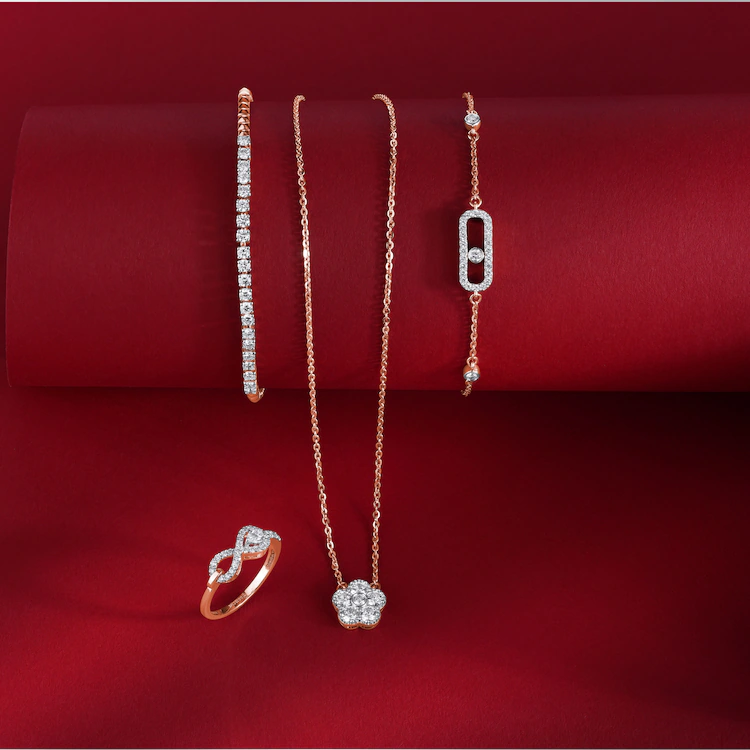
The latest lab-grown diamond jewellery trends
Design preferences are also changing as buyers experiment with different shapes, colours and combinations.
Industry experts say the affordability of lab-grown diamonds allows consumers to explore styles that may otherwise be expensive in natural stones.
Coloured diamonds gain attention
Colour is becoming an important part of jewellery design. Yellow, pink and blue diamonds are attracting interest among consumers looking for something different from traditional colourless stones.
Daga says lab-grown technology has made coloured diamonds more accessible by widening the possibilities for consumers interested in distinctive designs.
Fancy cuts remain popular
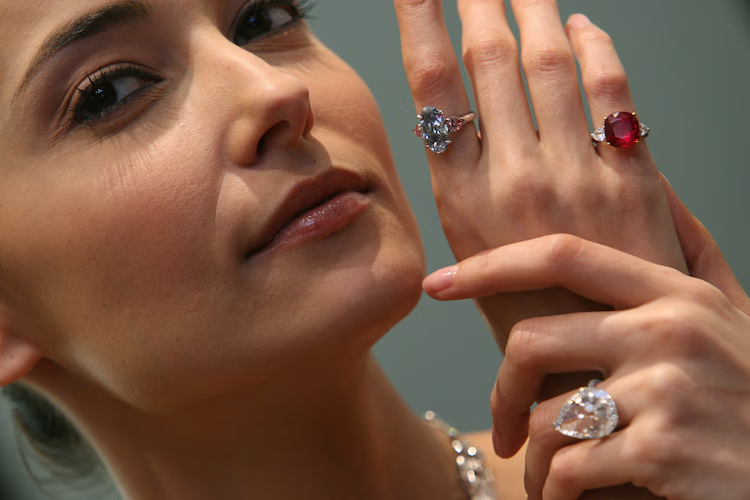
Traditional round brilliant diamonds are no longer the only preferred choice. Emerald, radiant, oval and pear-shaped cuts are finding buyers, particularly among consumers looking for contemporary engagement rings and statement jewellery.
Celebrity engagement rings have also helped popularise interest in distinctive shapes and settings. The designs associated with Taylor Swift, Selena Gomez and Kiara Advani have drawn attention to different styles of diamond jewellery.
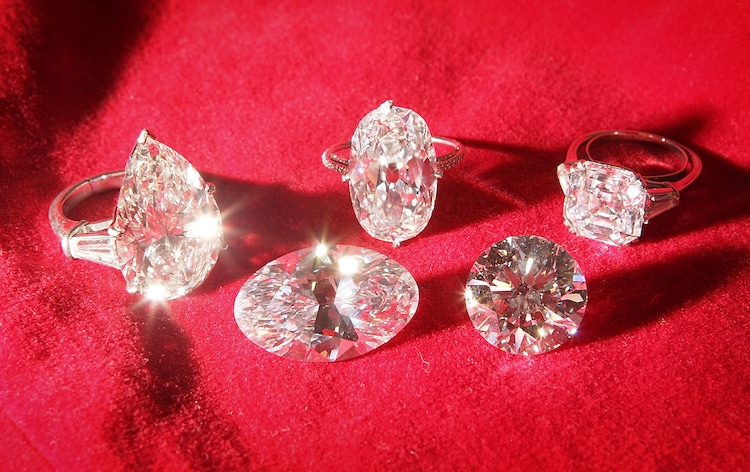
Gemstone combinations and personalisation
Customised settings, two-tone gold designs and combinations of lab-grown diamonds with coloured gemstones are also gaining attention.
Daga says some buyers are choosing lab-grown diamonds as halos around emeralds and blue sapphires. Such combinations allow customers to create pieces that reflect their individual preferences.
Madhavan also points to growing interest in layering, stacking and mixing different jewellery styles.
The trend allows consumers to build collections gradually, combining multiple smaller pieces rather than purchasing one expensive item for occasional use.
How affordable are lab-grown diamonds?
Price remains one of the strongest selling points of lab-grown diamonds.
According to Daga, everyday diamond pendants and earrings made with lab-grown stones and set in 14K or 18K gold typically cost between Rs 18,000 and Rs 35,000.
Comparable natural diamond designs may cost around Rs 55,000 to Rs 90,000 or more.
The difference becomes even more significant in solitaire jewellery. A mounted one-carat lab-grown solitaire may cost between Rs 35,000 and Rs 55,000, while a comparable natural diamond solitaire could cost Rs 2.5 lakh to Rs 4.5 lakh or more.
These are indicative prices shared by the industry representative. The final cost depends on the diamond’s cut, colour, clarity, certification, setting, gold weight and other charges.
For first-time buyers, the lower price can make diamond jewellery more accessible. It may also allow consumers to choose a larger stone or purchase multiple designs within a budget that would otherwise cover only one natural diamond piece.
However, affordability is not the only consideration. Buyers also need to understand the difference between purchasing jewellery for personal use and purchasing a stone with expectations of long-term resale or investment value.
Natural versus lab-grown diamonds: The value debate
Despite growing interest, natural diamonds retain a distinct position in the jewellery market.
For some buyers, the appeal of a natural diamond lies in its geological origin, rarity, family associations and traditional significance. Engagement rings and heirloom jewellery often carry emotional expectations that go beyond appearance or price.
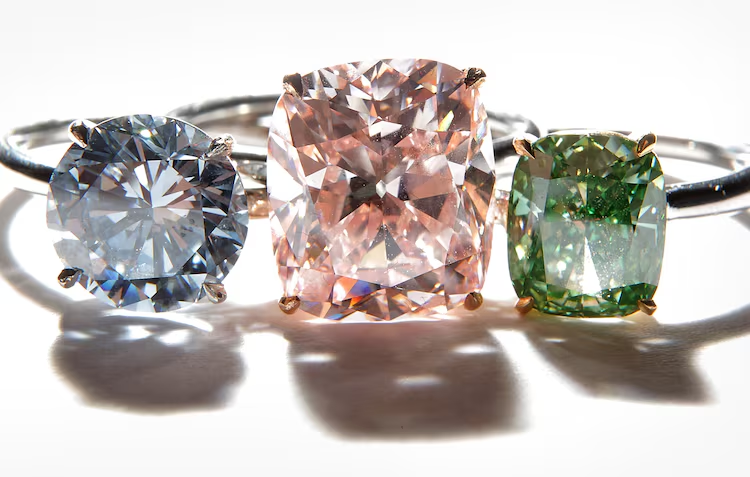
Lab-grown diamonds, meanwhile, offer a more affordable route to owning diamond jewellery and experimenting with designs. Their lower prices can make them attractive for everyday wear, gifting and personal milestones.
One important distinction is resale and long-term value. Daga says consumers are increasingly aware that lab-grown diamonds should not be viewed as assets expected to appreciate over time, particularly as production increases and wholesale prices decline.
This is an important consideration for buyers who expect jewellery to retain a significant portion of its purchase value.
The two categories therefore serve different consumer expectations. A buyer may choose lab-grown diamonds for fashion-led jewellery while preferring natural diamonds for a traditional engagement ring or family heirloom.
Shah says the conversation has moved beyond whether consumers are interested in lab-grown diamonds to what they want to create with them. She notes that customers are increasingly asking specific questions about origin, quality and value, although misconceptions remain.
Dixit also sees room for both categories. She enjoys wearing her lab-grown jewellery for everyday styling but says she would consider a natural diamond for an heirloom purchase.
Are lab-grown diamonds still popular?
The evidence shared by jewellery brands suggests that lab-grown diamonds have not simply disappeared after their initial wave of popularity. Instead, the market appears to be moving beyond novelty and towards more specific consumer preferences.
Buyers are considering them for everyday jewellery, festive purchases, customised designs, gifting and personal milestones. Expansion into smaller cities and the growth reported by several jewellery brands also indicate that the category continues to find customers.
At the same time, concerns around social perception, resale value and traditional ideas of luxury have not disappeared. Some consumers remain more comfortable choosing natural diamonds for engagement rings and heirloom pieces.
The future of lab-grown diamonds may therefore depend less on replacing natural diamonds and more on establishing their own place in the jewellery market.
For buyers, the decision comes down to what matters most: size, design, affordability, emotional significance or long-term value. Natural and lab-grown diamonds can coexist in the same jewellery box, serving different purposes.
The sparkle may be similar, but the reasons people buy them are changing. And for the lab-grown diamond industry, that shift could be more important than the initial buzz.