









We all deserve a beautiful garden that we can admire and enjoy spending time in. However, more and more, homeowners who have sustainability in mind are becoming more keenly aware of just how costly a perfectly manicured and managed garden can be. Not just in terms of their wallets, but also the impact they can have on the environment. As such, if you’re trying to be a little more eco-friendly in your home, that should extend out to the garden as well, with the help of the tips below.
Focus On Saving Water
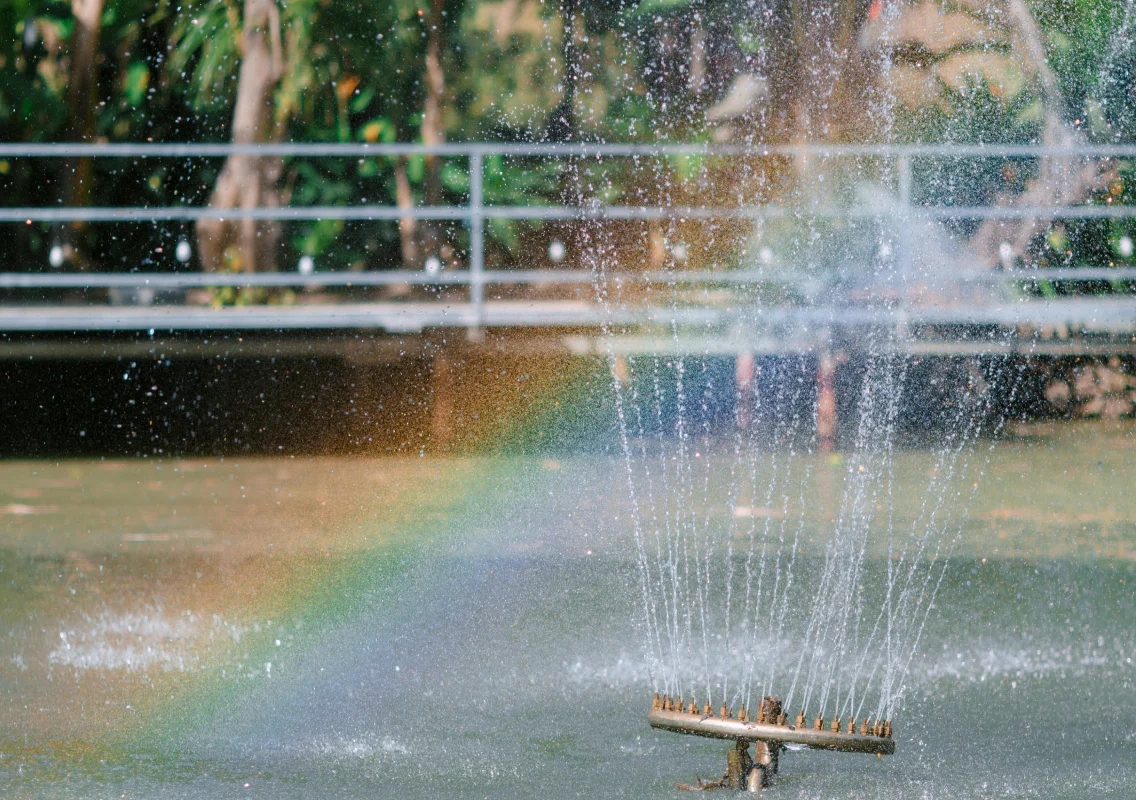
One of the single most effective ways to make your garden more sustainable is to make a real effort to conserve water. Installing rain barrels or larger rain-harvesting systems allows you to collect runoff from roofs and reuse it for watering plants. Not only does this reduce your reliance on the grid, but it also lowers your home’s water bills. Aside from rain harvesting, you can use smart irrigation systems that automatically water your lawns and plants, but only when they need it. These sprinklers can be set up to adjust their watering schedules based on weather, soil moisture, and the specific needs of your plants. In general, watering early in the morning helps you prevent evaporation, as well. You can use less water and make sure it goes further in keeping your garden green and healthy.
Take Care With Your Plant Choices
While you might have a fondness for selecting plants of all sizes and shapes, you can greatly reduce your environmental impact by choosing plants that are better suited to that environment. Native plants tend to be the best for this, as they have adapted to local climates and soil conditions, so they tend to need less water and maintenance in general, which can prevent you from having to use fertilizer and other products that can affect the local soil and wildlife. Xeriscaping emphasizes drought-tolerant plants, efficient layouts, and minimal lawn areas, which helps conserve water and reduce chemical use, too. These plants are also typically better at resisting weather changes and pests, on top of that.
Go With Cleaner Gardening Equipment
A lot of gardeners use gas-powered equipment to trim their hedges, mow their lawns, and the like. However, this can contribute to carbon emissions, increasing your home’s overall carbon footprint. By switching to electric garden tools, such as a battery powered lawn mower pr leaf blower, you can dramatically decrease your garden’s impact on the environment. Aside from contributing zero emissions, electrical equipment typically requires less maintenance. You can, of course, improve their efficiency even further by investing in solar power to keep them charged. By choosing cleaner equipment, you can avoid contributing more to the carbon emissions of your household, while keeping air quality cleaner and minimizing noise pollution.
Support Your Wildlife
One of the best signs of a truly environmentally friendly garden is that it helps to support your local wildlife, rather than seeking to exclude it. Pollinators play a vital role in the health of our local ecosystem, and you can help support them by planting flowers that bloom at different times of the year. Meanwhile, native shrub and tree choices can offer great shelter and nesting areas for birds and beneficial insects. Small water features, such as birdbaths, can help wildlife survive and thrive, especially during those hotter and drier seasons. You can even protect your garden by planting flowers that attract natural predators like ladybugs, which can keep the more harmful and annoying pests away.
Grow Your Own Food
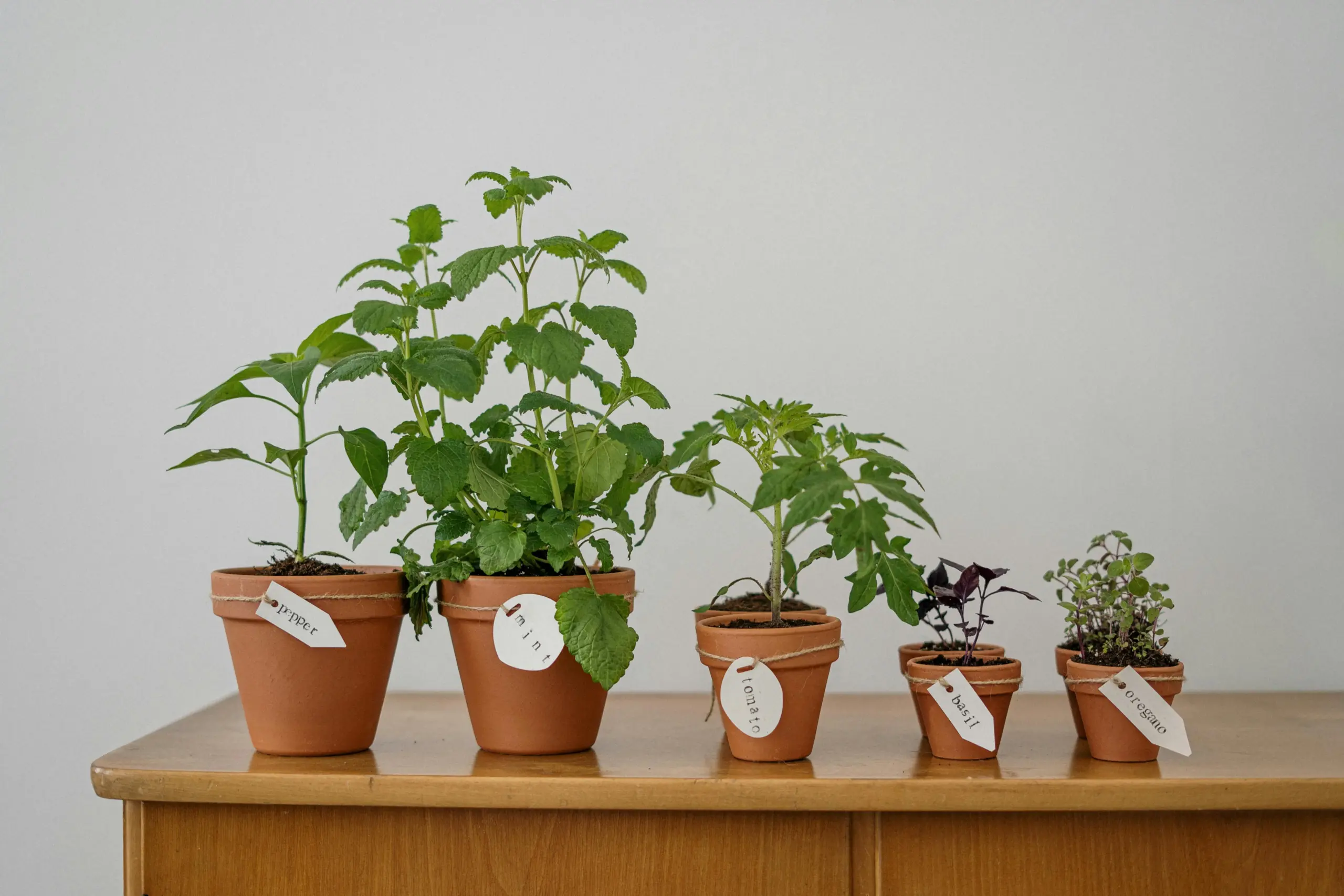
Mindful use of your garden helps not only offset the impact it can have on the environment, but it can reduce your own family’s contribution to waste and carbon overuse, as well. By growing your own fruits, vegetables, and herbs, you can end up playing less of a role in the environmental costs of transporting, packaging, and storing food. Home gardening helps you control how food is grown, encourages seasonal eating of ingredients at their best, and makes your meals much fresher, healthlier, and often a lot more flavorful. Even small gardening spaces can help you support container gardens for herbs. It’s surprisingly rewarding to grow your own ingredients and then savor their tastes in your meals.
Compost Your Organic Waste
Households tend to throw out a lot of organic waste, whether it’s food they didn’t get around to eating, yard waste, grass clippings, plant trimmings, or otherwise. However, rather than contributing to landfill waste and methane emissions, you can build your own compost bin in your garden. Turning organic waste into compost can give you the perfect ingredient to enrich your soil structure, improve how your ground holds onto moisture, and provide nutrients directly to the plants that you’re trying to grow. It can greatly reduce your reliance on chemical fertilizers, leading to a much healthier garden and soil that can support plants a lot more easily. Compost bins or piles can fit into most gardens, and even apartment dwellers can use small composting systems.
Limit Chemicals As Best As You Can
While chemicals such as synthetic fertilizers, herbicides, and pesticides certainly can be effective at what they’re designed to do, they can also have knock-on effects that can make your garden unsafe in a range of ways. They can immediately prove a risk to pollinators and local wildlife, but in the long run, they can also contaminate your soil and run off into waterways, which can reduce the overall health of the garden and make it harder to grow plants in your soil. Focusing on sustainable plant care practices, such as mulching, companion planting, and manual weed control, can reduce your reliance on chemical products, making for a much healthier ecosystem both above and below the ground.
Maintaining an eco-friendly garden doesn’t have to be a huge hassle. In fact, many of the tips above can end up saving you time instead. It’s just about taking a moment to consider the impact that your choices have on the environment around you.