







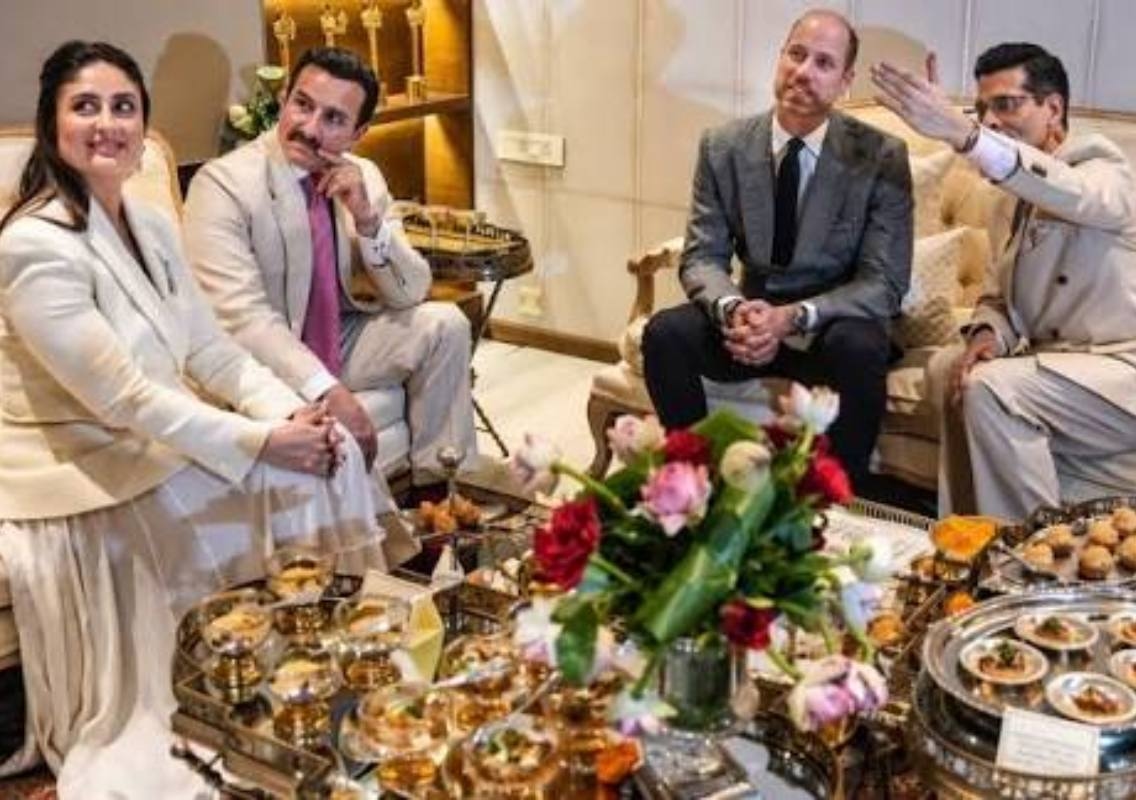


Mumbai: Prince William’s visit to Karan Johar‘s Dharma Productions office during his three-day India tour came with a generous helping of Bollywood glamour and an elaborate food spread. From songs and dance performances to a menu celebrating Mumbai’s diverse culinary traditions, the royal guest received a warm welcome that reflected the city’s culture.
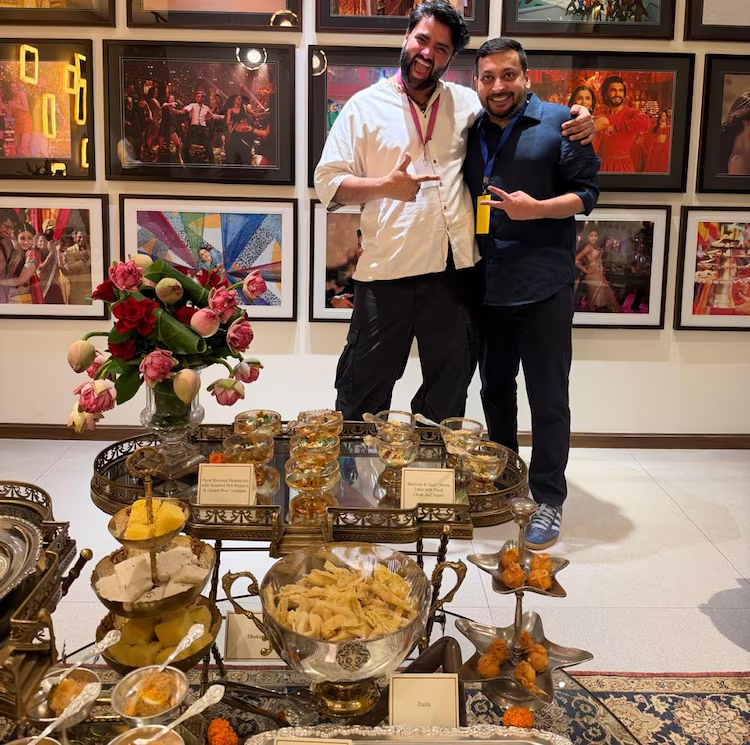
However, the elaborate luncheon was put together at remarkably short notice. The Big Zest, a Mumbai-based catering company, received the request to curate the special menu just 48 hours before the Prince’s visit. Despite the tight deadline, the team created a spread featuring regional Indian flavours, familiar street food favourites and creative interpretations of international dishes.
The menu was curated by Chef Anand Morwani and Rohan Mangalorkar, founders of The Big Zest. Its guiding idea was simple: give the royal guest a taste of Mumbai rather than serve a conventional formal luncheon.
A menu celebrating Mumbai’s food culture
The menu brought together culinary influences from Sindhi, Gujarati, Maharashtrian, Punjabi, Parsi and Koli traditions. Instead of limiting the meal to conventional Western luncheon fare, the chefs put together a selection that highlighted the variety of food associated with Mumbai.
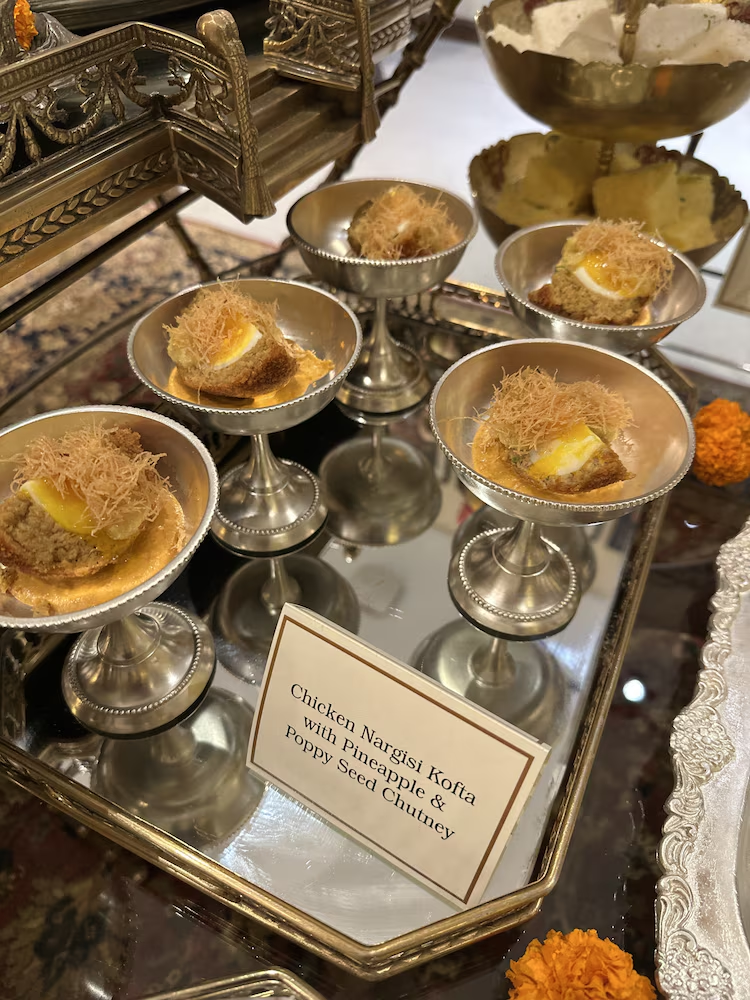
Among the dishes was Chicken Nargisi Kofta with Pineapple and Poppy Seed Chutney. The preparation offered a playful interpretation of the classic Scotch egg, bringing together familiar Indian flavours and a well-known European dish.
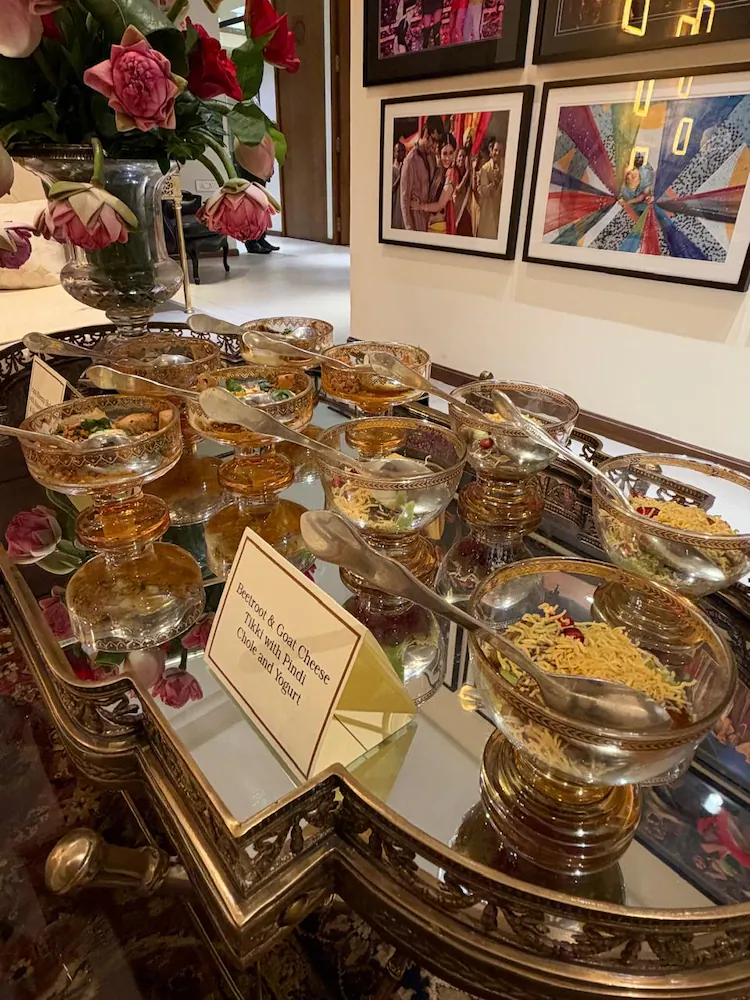
Another appetiser was Beetroot and Goat Cheese Tikki served with Pindi Chole and Yogurt. The combination paired the earthy flavour of beetroot and the richness of goat cheese with the distinctive taste of North Indian chickpeas.
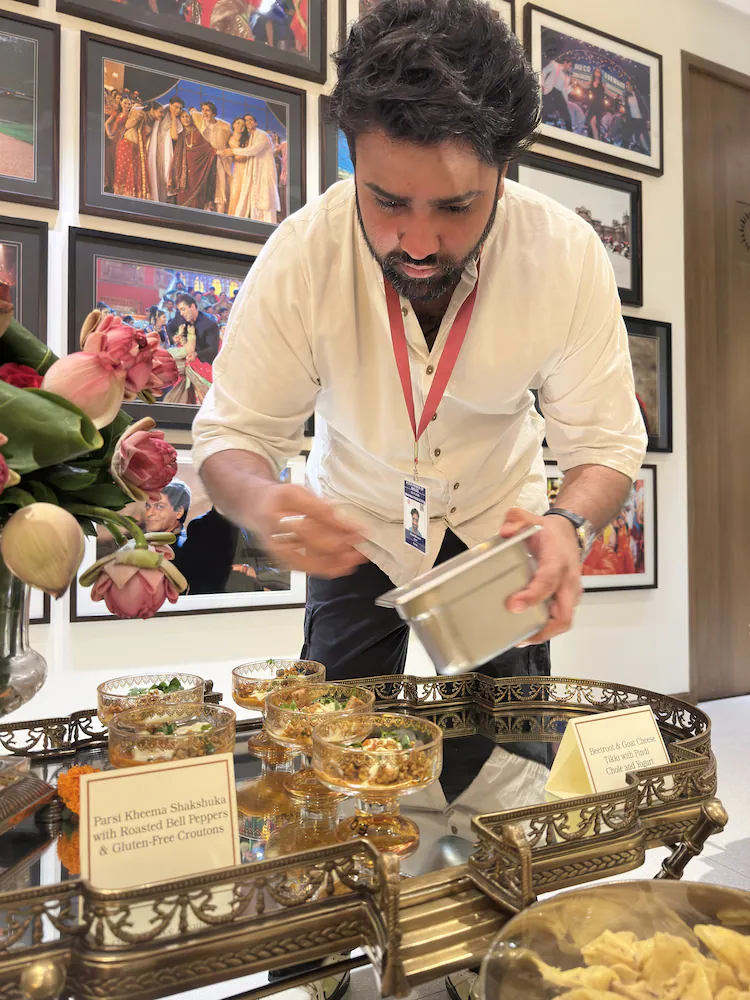
Parsi cuisine also had a prominent place on the menu. The spread included Parsi Kheema Shakshuka with Roasted Bell Peppers and Gluten-Free Croutons. The dish brought together spiced kheema and the style of shakshuka, a popular preparation in which eggs are cooked in a seasoned sauce.
The chefs also included Lobster and Egg Akuri on Rusk with Tomato Chutney. Akuri is a traditional Parsi-style scrambled egg preparation, generally enjoyed with bread. The version served at the luncheon paired it with lobster and crisp rusk, giving the familiar dish a more elaborate presentation.
French pastry meets Indian flavours
The menu also featured dishes that combined international cooking styles with ingredients and flavours familiar to Indian diners.
One such preparation was Smoked Lamb Shoulder Croissant with Date, Tamarind and Walnut Sauce and Crispy Shallots. It brought together the buttery texture of French pastry and the rich flavours of smoked lamb, complemented by a sauce combining sweetness, tanginess and nuttiness.
Seafood was another highlight. The chefs prepared Trishna-inspired Butter Garlic Crab Choux, drawing inspiration from Mumbai’s well-known seafood restaurant Trishna.
The dish was among the preparations that attracted attention during the luncheon. Morwani reportedly mentioned noticing another serving of the crab preparation being taken, suggesting that it was particularly popular among those present.
The seafood selection reflected Mumbai’s coastal food culture, while the use of choux pastry gave the preparation a distinctive presentation.
Vada pav, dhokla and other Mumbai favourites
Despite the elaborate fusion dishes, the chefs did not overlook the street food that forms an important part of Mumbai’s identity.
The spread included miniature vada pav, allowing the royal guest to sample one of the city’s best-known snacks in a bite-sized format. Kachori and dhokla also featured on the menu, bringing together popular savoury preparations from different parts of the country.
Chilli cheese croquettes served with tomato chunda added another combination of familiar and contemporary flavours.
The Gujarati pairing of jalebi and fafda was also included. The combination of crisp, savoury fafda and sweet jalebi is a popular food pairing, particularly associated with Gujarat.
By including these preparations alongside the more elaborate dishes, the chefs ensured that the luncheon offered a broad introduction to India’s regional food traditions.
Gulab jamun cheesecake for dessert
The dessert selection continued the theme of combining familiar Indian flavours with contemporary preparations.
One of the highlights was Gulab Jamun Cheesecake, which brought together the traditional Indian sweet and the creamy texture of cheesecake. The dessert offered a modern interpretation of gulab jamun while retaining its familiar flavour profile.
The menu also included Baked Saffron Milk Tart, featuring the distinctive aroma and flavour of saffron. Together, the desserts provided a fitting end to a meal that had drawn inspiration from several culinary traditions.
Bollywood music added to the royal welcome
Food was only one part of Prince William’s experience at Dharma Productions. The visit also featured a special musical performance built around songs from Karan Johar’s popular film Kabhi Khushi Kabhie Gham.
The performance included well-known tracks such as Bole Chudiyan and Say Shava Shava. Johar also showed the Prince clips from the film, which is set to complete 25 years in December 2026.
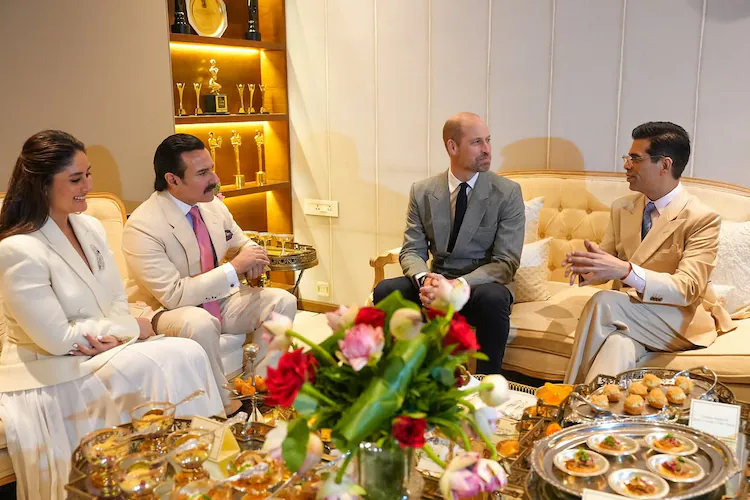
Prince William met Johar and actors Kareena Kapoor Khan and Saif Ali Khan, along with senior executives from the production house. The interaction focused on Indian cinema and its growing international appeal.
The meeting brought together the worlds of entertainment and royalty, with the Bollywood-themed welcome adding a distinctly Indian touch to the royal visit.
Part of William and Kate’s India tour
The visit to Dharma Productions was part of Prince William and Kate Middleton’s three-day tour of India. Their Mumbai engagements included the Earthshot Prize Awards ceremony, which brought international attention to environmental innovation and sustainability initiatives.
The royal couple later travelled to New Delhi, where they met Prime Minister Narendra Modi, bringing their India visit to a close.
While the tour included official engagements and meetings, the luncheon at Dharma Productions offered a more informal glimpse of India’s cultural and culinary diversity.
For The Big Zest team, the assignment was also an opportunity to present Mumbai’s food traditions to an international guest. With only 48 hours to prepare, the chefs put together a menu that moved from Parsi and Gujarati specialities to coastal seafood, street food and inventive desserts.
The result was a luncheon that reflected the spirit of Mumbai: diverse, generous and comfortable bringing different culinary traditions together.