









New Delhi: Vietnam has issued an official response following reports that Indian tourists faced discriminatory treatment during their visits, assuring that the matter is being taken seriously and appropriate steps are being initiated. The response came after a report by India Today highlighted several complaints from Indian travellers about uncomfortable and, at times, hostile interactions with locals.
In its statement to India Today Digital, the Vietnamese Embassy in New Delhi emphasised the long-standing relationship between India and Vietnam, underlining that such incidents do not reflect the broader sentiment of Vietnamese society.
Embassy calls incidents isolated
The embassy reiterated that Vietnam continues to be a safe and welcoming destination for international visitors, including Indians. It stressed that the increasing people-to-people exchanges, especially in tourism, reflect strong mutual goodwill between the two nations.
Officials added that the issue has already been shared with relevant authorities in Vietnam, who are examining the matter and taking steps to prevent similar occurrences in the future.
At the same time, the embassy maintained that the reported cases were isolated and should not be seen as representative of the general attitude of Vietnamese citizens, who are widely regarded as hospitable and respectful towards foreign visitors.
Tourists recount unpleasant experiences
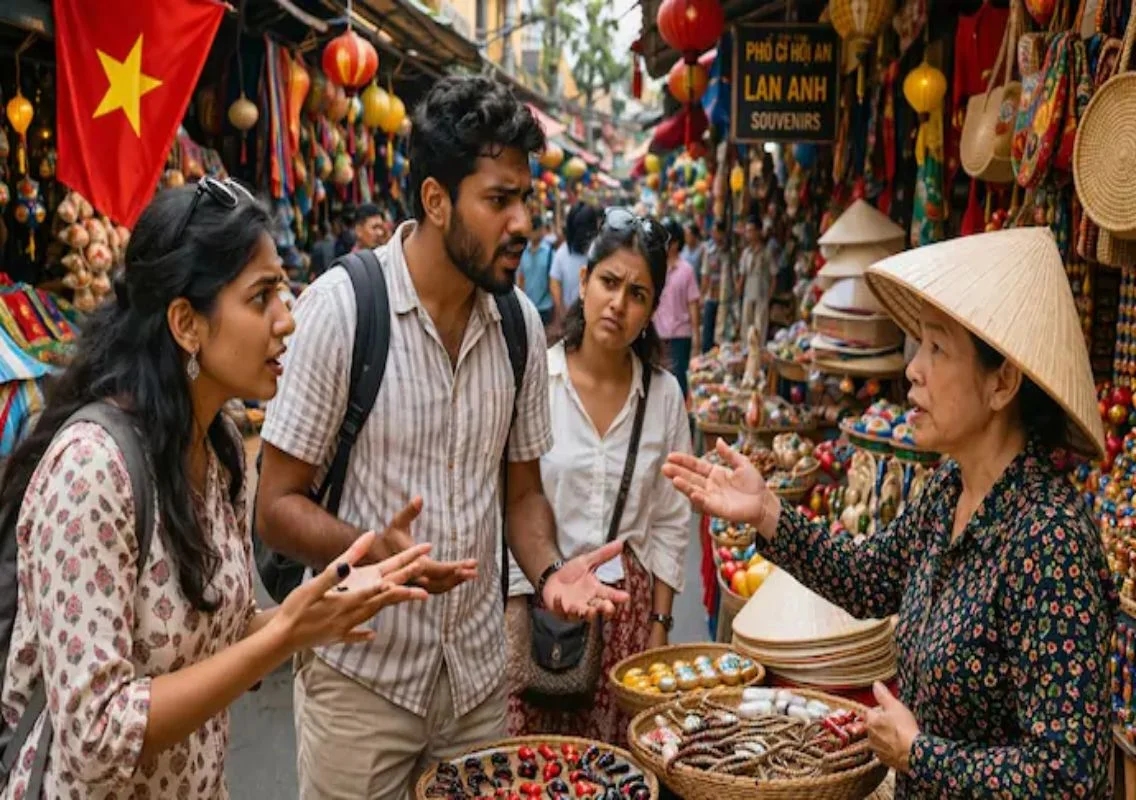
The response follows multiple accounts from Indian tourists who claimed they were treated unfairly, particularly by shopkeepers in local markets. Some travellers alleged they were refused service after revealing their nationality, while others reported being subjected to rude remarks.
One tourist from Noida described being turned away from a shop after identifying herself as Indian. Another visitor from Delhi recounted being insulted while attempting to bargain, a common practice in street markets. A third traveller said she felt singled out when a shopkeeper refused to answer her query while attending to other customers.
These accounts have sparked conversations online about cultural sensitivity, tourism etiquette and the need for inclusive behaviour in global travel destinations.
Rising popularity of Vietnam among Indian tourists
Despite the controversy, Vietnam remains a highly popular destination for Indian travellers. The country’s scenic beauty, vibrant culture and affordability continue to attract visitors in large numbers.
Tourism data indicates a sharp rise in Indian visitors. Around 1.58 lakh Indians travelled to Vietnam in the first two months of 2026, marking an increase of over 71 per cent compared to the same period last year. In 2024, the country welcomed more than 5.07 lakh Indian tourists, a significant jump of nearly 297 per cent compared to pre-pandemic levels.
Popular destinations include Hanoi, Ho Chi Minh City, Da Nang and Phu Quoc. These locations are especially favoured by honeymooners, group travellers and those planning destination weddings.
From the iconic limestone formations of Ha Long Bay to the lantern-lit streets of Hoi An, the country offers a diverse range of experiences. Its unique coffee culture, featuring beverages like egg coffee and coconut coffee, further enhances its appeal.
Balancing growth with inclusivity
The recent controversy has highlighted the importance of ensuring a welcoming environment for all tourists, especially as international travel rebounds and visitor numbers grow.
Experts note that while isolated incidents can occur in any destination, prompt responses from authorities and increased awareness can help maintain trust among travellers. For Vietnam, which is witnessing a surge in Indian visitors, maintaining a positive reputation is crucial.
Conclusion
Vietnam’s assurance of action signals an effort to address concerns raised by Indian tourists while preserving its image as a friendly and hospitable destination. As travel between India and Vietnam continues to grow, both sides may benefit from greater cultural understanding and mutual respect.
Ensuring that visitors feel welcomed—not just by the landscape but also by the people—will be key to sustaining the country’s tourism momentum in the years ahead.