







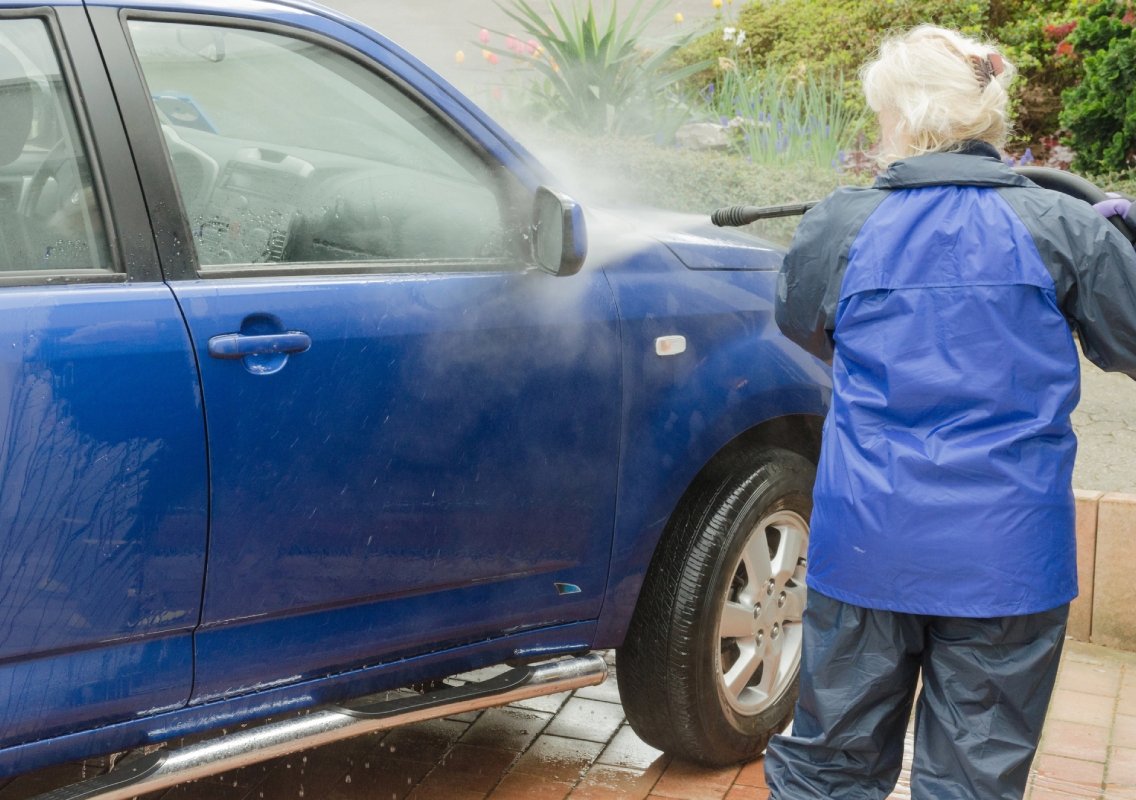


Outdoor surfaces face constant exposure to dirt, dust, mud, pollen, and moisture. Over time, these elements can make driveways, patios, fences, and walkways look worn and neglected. Pressure washers help remove this buildup using a focused stream of water. They offer a faster cleaning method than scrubbing surfaces by hand.
Many users prefer gas powered equipment because it delivers strong cleaning performance without depending on an electrical outlet. This added mobility makes it easier to clean large outdoor spaces. A gas pressure washer with spray gun gives users more control over water direction and cleaning accuracy. The result is a practical solution for a wide range of maintenance tasks.
Why a Professional Gas Pressure Washer Gets Attention
A professional gas pressure washer is designed for demanding cleaning work. It combines strong water pressure, reliable performance, and durable construction. These features make it suitable for larger properties and frequent use. Many homeowners also choose professional grade equipment when they want greater cleaning capability.
Unlike lighter duty machines, professional models are often built with stronger pumps and reinforced components. This helps them handle tougher cleaning projects. They can remove dirt from concrete, brick, stone, and other exterior surfaces. Their versatility makes them useful across many outdoor environments.
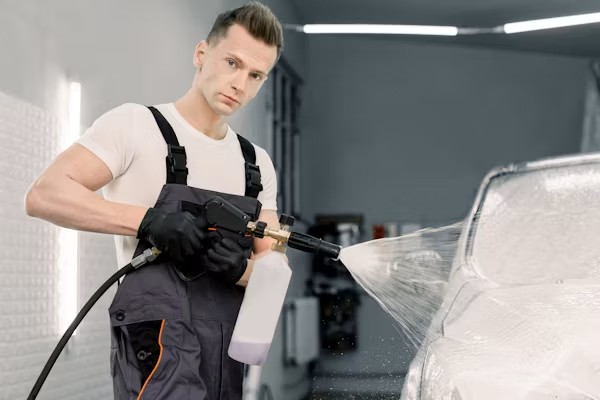
Cleaning Tasks That Benefit From Higher Performance
Driveways are among the most common areas cleaned with pressure washers. They often collect dirt, tire marks, and stains from daily use. A stronger machine can help remove surface buildup more efficiently. This helps restore a cleaner appearance to outdoor spaces.
Patios and walkways also benefit from routine cleaning. Exposure to weather conditions can leave surfaces looking dull over time. Pressure washing helps remove accumulated debris and organic growth. Regular maintenance can improve the overall appearance of these areas.
The Importance of a Quality Spray Gun
The spray gun is one of the most frequently used components of a pressure washer. In a gas pressure washer with a spray gun, it controls the water stream and helps direct pressure where it is needed. A well designed spray gun improves comfort during operation. It also helps users maintain better control throughout the cleaning process.
Many pressure washers include ergonomic spray gun designs. These features can reduce hand fatigue during longer cleaning sessions. A quality gas pressure washer with spray gun allows users to work more accurately around outdoor furniture, vehicles, and landscaping. Small design improvements often make a noticeable difference during operation.
Better Control Means Better Results
Control plays an important role in pressure washing. Different surfaces require different cleaning approaches. A quality spray gun helps users adjust their movements and maintain consistent coverage. This improves cleaning effectiveness across a variety of materials.
Accurate spray control is especially important near delicate surfaces. Users can focus water where it is needed without affecting nearby areas. This makes cleaning more efficient while helping protect surrounding materials. Consistent control often leads to more uniform results.
Features Commonly Found in Professional Models
Many professional pressure washers include durable pump systems built for repeated use. The pump generates the pressure required for effective cleaning. High quality pump construction contributes to reliability and long term performance. It is often one of the most important components in the machine.
Long hoses are another feature frequently included in professional equipment. Additional hose length allows users to move around larger areas with fewer interruptions. This can improve convenience when cleaning driveways, fences, and patios. Greater reach also reduces the need to reposition the machine.
Why Multiple Nozzles Matter
Pressure washers often include interchangeable nozzles. Each nozzle creates a different spray pattern that serves a specific purpose. Some are designed for broad cleaning coverage, while others concentrate water into a narrower stream. This flexibility allows one machine to perform a variety of cleaning tasks.
Selecting the correct nozzle helps match cleaning power to the surface being cleaned. Wider patterns are commonly used on vehicles and outdoor furniture. Narrower patterns can help remove stubborn dirt from hard surfaces. Understanding nozzle options helps users achieve better results.
Matching Nozzles to Cleaning Jobs
Different surfaces respond differently to water pressure. Concrete and brick can generally tolerate stronger cleaning action. Softer materials may require a gentler approach. Choosing the right nozzle helps maintain surface condition while improving cleaning efficiency.
Users who understand nozzle selection often complete cleaning projects more effectively. Proper nozzle use can reduce unnecessary water consumption. It can also improve overall cleaning consistency. Small adjustments often have a significant impact on performance.
Mobility Advantages of Gas Powered Equipment
One reason many people choose gas powered pressure washers is freedom of movement. Since the machine does not require an electrical outlet, users can clean large areas more easily. This mobility is especially useful on properties with long driveways or extensive fencing.
The ability to work without power cords simplifies setup and operation. Users can focus on cleaning rather than managing cables. This convenience makes gas powered models a popular choice for outdoor maintenance. It also supports efficient movement around larger properties.

Maintenance Practices That Support Performance
Routine maintenance helps preserve pressure washer performance over time. Basic inspections can identify worn components before they affect operation. This allows users to address small issues early. Consistent care contributes to more reliable performance.
Cleaning the machine after use is another good habit. Dirt and debris can accumulate on exterior surfaces and connections. Proper storage also helps protect the equipment between uses. These simple practices support long term durability.
Operating Safely and Effectively
Reading operating instructions before use helps users understand equipment functions. This includes learning about nozzle selection, spray patterns, and maintenance requirements. Familiarity with these features can improve both safety and performance.
Users should also evaluate the surface they plan to clean. Different materials require different levels of cleaning force. Taking time to select the appropriate settings helps achieve better results. It also reduces the risk of unnecessary surface wear.
Choosing the Right Equipment for Outdoor Projects
Selecting a pressure washer starts with understanding your cleaning needs. Larger properties and frequent cleaning schedules often require stronger equipment. Evaluating common tasks helps determine which features are most important. This approach leads to a more suitable equipment choice.
A professional gas pressure washer offers the power and flexibility needed for demanding outdoor cleaning. A gas pressure washer with spray gun adds control and convenience during operation. Together, these features create a practical cleaning solution for driveways, patios, vehicles, fences, and many other outdoor surfaces.
FAQs
What is a professional gas pressure washer used for?
It is commonly used to clean driveways, patios, fences, sidewalks, and other outdoor surfaces.
Why is a gas pressure washer with a spray gun useful?
The spray gun helps direct water accurately and improves control during cleaning.
Can a pressure washer clean vehicles?
Yes, with the proper nozzle and technique, pressure washers can be used for vehicle cleaning.
Do professional pressure washers include multiple nozzles?
Most models include different nozzles to support various cleaning applications.
How often should a gas pressure washer be maintained?
Basic inspections and cleaning after use help support reliable performance and equipment longevity.