







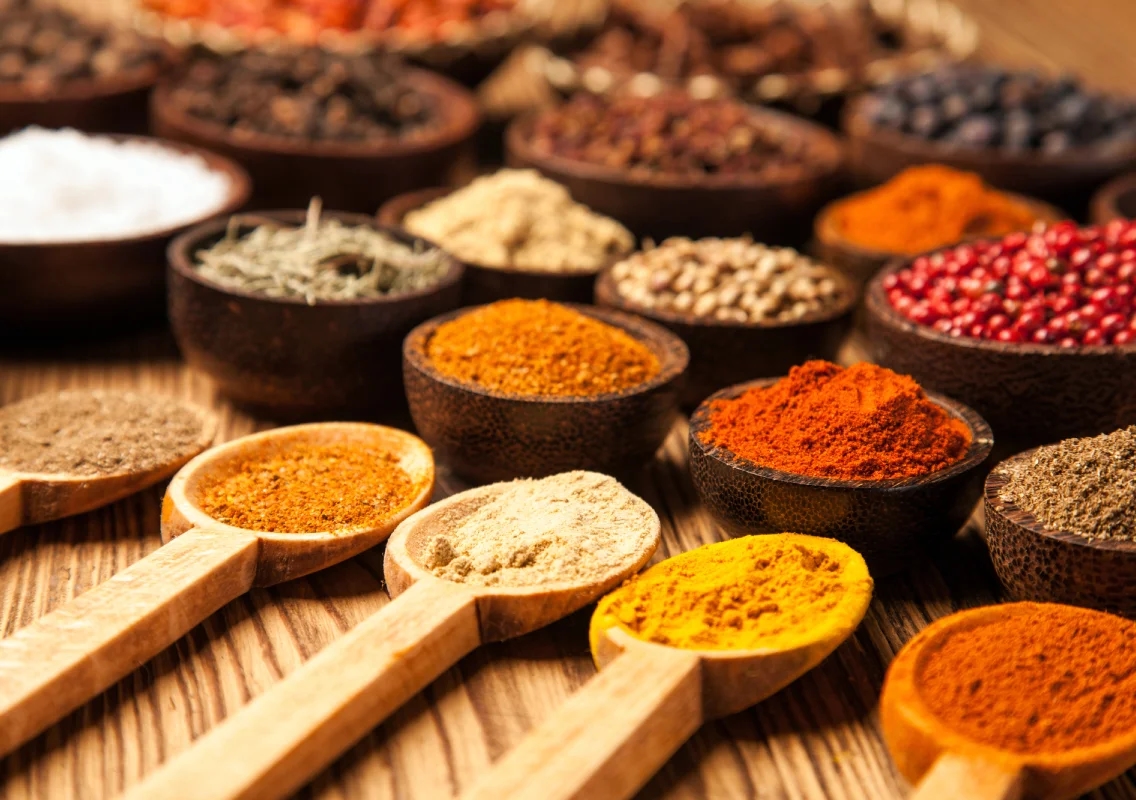


A pinch of spice can connect kitchens across the globe, and demand for such flavors is rising. In FY 2023-2024, India was the largest spices exporter in the world, with an export of about $4.46 billion of herbs and spices. The Indian spices have now penetrated over 200 markets worldwide, with high demand for chili, turmeric, and cumin, as well as mint-based products.
To the experts in the industry, the spices export has proven to be a reliable and expansive trade with the world. The increasing consumption of spices in food, health, and processed products is transforming supply chains all over the globe. Knowledge of the relationship between this demand and sourcing, quality standards, and trade preparedness helps exporters develop long-term growth in both international markets.
Why Everyday Meals Keep Global Trade Moving?
Spices are used in food cooked worldwide. This is a daily requirement that involves exporting spices as one of the most constant trade segments. Spices are consumed on a daily basis in homes, restaurants, and food factories, unlike seasonal products. This results in continuous demand in the regions irrespective of the economic cycles.
Traditional cooking is no longer the only way to use spices. It has become common in processed foods, prepared meals, sauces, and wellness products. The demand remains active all year round with this increasing usage. For the exporters, spices export enjoys the advantages of repeat business and long-term relationships with the buyers. The continuous consumption of food ensures that the spice trade remains viable, even when other forms of exports face downturns.
How India Became a Trusted Source for Global Buyers?
Buyers in the global market seek suppliers that provide volume, diversity, and consistency. India meets all three needs. India produces spices of different varieties because it has different climates and agricultural areas all year round. This enables spices export to go on without large supply deficits. Buyers who are planning their own production cycles appreciate this reliability.
Another strength is their experience. Indian exporters have dealt with global consumers for decades, exposing them to quality expectations. The processing units operate in accordance with established global standards. This experience minimizes mistakes, time wastage, and compliance risks. As a result, the export of spices in India is regarded as reliable and mature, and it provides customers with confidence in making long-term orders in various markets.
What Makes Spices Export Strong at an Operational Level?
In the background, there is good workability of spice exports due to good operational strengths. These aspects simplify and predict trade.
- Long Storage Life: When properly stored, most spices remain usable over long durations of time. This saves on wastage and presents elastic shipping schedules.
- High Value with Low Volume: Spice possesses excellent value but does not occupy a lot of space. This assists in reducing the costs of transport and enhancing margins.
- Expandable Agriculture and Services: The output can be increased at a slow rate, depending on demand. This encourages a controlled expansion.
- Global Cultural Dependence: All cuisines incorporate the spices, so the demand is maintained at the national level.
Why Quality Control Builds Long-Term Buyer Trust?
Repeat business depends on the quality of spices to be exported. The customers desire safe, clean products and ones that are easily accessible. These needs are met through the help of good quality systems.
- Clean Handling Practices: Meticulous cleaning and sorting make products hygienic and not contaminated or dirty.
- Traceable Supply Chains: The process of monitoring products between the source and delivery creates trust and enhances transparency.
- Standard Packaging Methods: The right packaging prevents moisture in the products and prevents the loss of the natural aroma of the product.
- Regulatory Readiness: It would be less difficult to fulfill food safety regulations when the quality systems are already in place.
The practices enable the exporters to have credibility and long-term buyer relations.
How Spices Export Fits Modern Global Trade Systems?
The contemporary business world is associated with clarity, timely delivery, and responsibility. Exportation of spices is suitable under this system.
- Deterministic Delivery Times: Inventory control and harvest planning help in shipments with a timely delivery.
- Clear Export Processes: Spices are usually subject to standard rules of trade that reduce the delays in documentation.
- Different Buyer Groups: It is easy to supply food brands, distributors, and retailers.
- Balanced Risk Structure: Many applications and markets reduce reliance on a single consumer group.
This is why the spices export is relevant in contemporary international trade.
Creating a Stable Trade Path for Growth
Spices export stays important in global trade because people use spices every day in food, health products, and packaged meals. Spices last long, are easy to store, and come from trusted sources. This makes them a steady and reliable option for exporters who want to grow over time with the right focus on quality.