







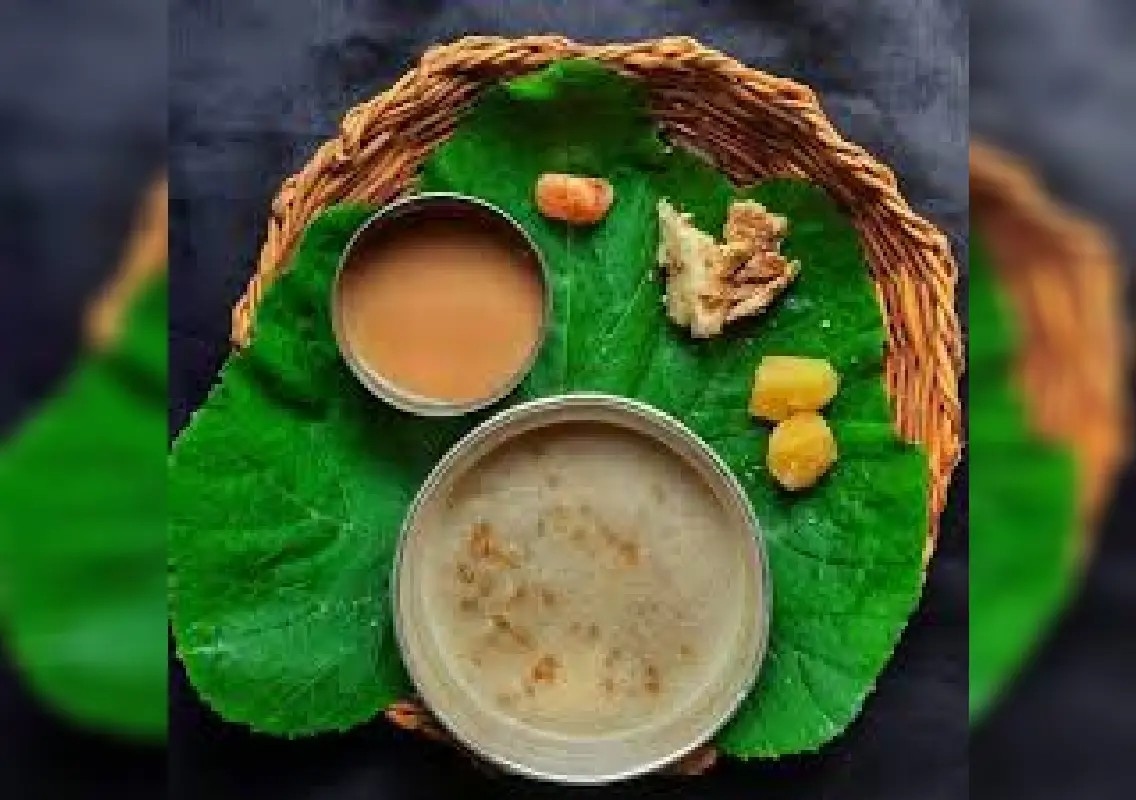


Mangaluru: Aati Amavasya is being observed traditionally across Tulu Nadu on Wednesday, August 12, with households in Dakshina Kannada, Udupi and Kasaragod following rituals that connect faith, nature and traditional health practices. The new moon day of the Aashada month holds a special place in the cultural life of the coastal region, with the consumption of bitter palae kashaya being one of its most distinctive customs.
For generations, families have observed Aati Amavasya with an early morning bath, prayers and traditional dietary practices. Among these, drinking a decoction prepared from the bark of the Paleda tree on an empty stomach is perhaps the best-known ritual associated with the day.
The practice reflects the traditional knowledge of communities that adapted their food habits and household practices to the monsoon season.
What makes Aati Amavasya special?
Aati, the traditional Tulu month corresponding broadly to the monsoon period, has long been associated with a difficult season in the coastal region. Heavy rainfall, limited sunlight and changes in food availability traditionally influenced the lifestyle and dietary habits of people.
Against this backdrop, Aati Amavasya came to be observed as a significant day of faith and traditional wellness.
The day is observed on the new moon of Aashada. In different parts of Karnataka, the occasion is also known as Aashada Amavasya, while other regional traditions associate the new moon period with Bheeman Amavasya.
In Tulu Nadu, however, Aati Amavasya has developed its own distinctive identity. The observance combines household rituals with traditional food and herbal practices that have been passed down through generations.
Paleda Kashaya is the main ritual
The preparation and consumption of Paleda Kashaya is central to the Aati Amavasya tradition.
Traditionally, the bark of the paleda tree is collected early in the morning, often around Brahmi Muhurta. The bark is cleaned, and its outer portion is removed before the inner part is crushed to extract its juice.
Black pepper, garlic and fenugreek are traditionally added to the preparation before it is boiled. The resulting decoction has a notably bitter taste and is generally consumed on an empty stomach.
For many families, the bitterness itself is an important part of the ritual. Elders have traditionally associated the decoction with maintaining health during the monsoon and consider it a customary seasonal preparation.
The preparation may vary from one household to another, with families following methods handed down by their elders.
Why is the Paleda tree considered special?
Traditional belief in Tulu Nadu holds that the palae tree possesses the medicinal properties of 108 herbs on Aati Amavasya. This belief is one of the reasons the tree and its bark have acquired such significance in the celebration.
The belief, however, belongs to the traditional cultural understanding of the ritual and should not be interpreted as a scientifically established claim that the bark literally contains the medicinal properties of 108 different herbs.
The practice nevertheless provides an insight into how traditional communities viewed the relationship between seasonal changes, plants and health.
Before modern healthcare became widely accessible, households relied considerably on locally available plants, spices and food preparations. Knowledge about their use was often transmitted orally from one generation to another.
Aati month and traditional food habits
Aati is regarded as a month when people traditionally paid greater attention to food and daily routines. The monsoon brought its own challenges, including persistent humidity and changes in agricultural and food patterns.
Several traditional preparations associated with the period reflect this seasonal adaptation. Fenugreek-based porridge, for instance, continues to be prepared in some coastal households during Aati.
These practices are not necessarily limited to Aati Amavasya itself. Instead, they form part of a wider body of traditional knowledge surrounding food and lifestyle during the monsoon.
The ingredients used in Paleda Kashaya also have a familiar place in Indian culinary traditions. Garlic, black pepper and fenugreek have long been used in household cooking and traditional preparations.
Health beliefs behind the tradition
Elders in Tulu Nadu traditionally believed that consuming Paleda Kashaya helped the body cope with seasonal health challenges during the monsoon. It is also popularly associated with supporting immunity and maintaining overall health.
However, such traditional claims should be distinguished from medically established evidence. There is no need to assume that drinking the decoction can prevent or treat illnesses simply because it is part of an old tradition.
The safety of consuming a plant-based preparation depends on correctly identifying the plant, using an appropriate preparation method and consuming a suitable quantity. Different plants can have different effects, and incorrectly identified or prepared plant material can potentially be harmful.
People with existing health conditions, allergies, those taking regular medication, children and pregnant or breastfeeding women should be particularly cautious about consuming medicinal plant preparations without professional advice.
Tradition continues in coastal households
Despite changing lifestyles, Aati Amavasya continues to be observed in many households across coastal Karnataka. The ritual provides an opportunity for younger generations to participate in customs that their parents and grandparents followed.
For many families, the significance of the occasion goes beyond the bitter drink itself. The early morning rituals, prayers, preparation of traditional food and gathering of family members all form part of the cultural experience.
The practice also demonstrates how closely the traditional lifestyle of Tulu Nadu has been connected with its natural surroundings.
The monsoon landscape, local vegetation and seasonal food practices have all influenced the region’s customs over centuries.
A celebration of cultural heritage
Aati Amavasya stands out because it brings together several elements of coastal life — faith, family traditions, seasonal food and knowledge of local plants.
While some of the health claims associated with Paleda Kashaya remain rooted in traditional belief rather than modern scientific evidence, the cultural importance of the practice is undeniable.
For communities in Dakshina Kannada, Udupi and neighbouring Kasaragod, the occasion continues to provide a link between generations. The bitter taste of Paleda Kashaya has become an enduring symbol of a tradition shaped by the monsoon and preserved through household practices.
As Aati Amavasya is observed across Tulu Nadu this year, the celebration once again highlights the region’s distinctive cultural identity and its long-standing tradition of living in close connection with nature.