









Ullal: Auto rickshaw drivers across Dakshina Kannada district have announced a large-scale protest rally on April 13, pressing the government to address long-pending demands related to permits, fares, and operational challenges.
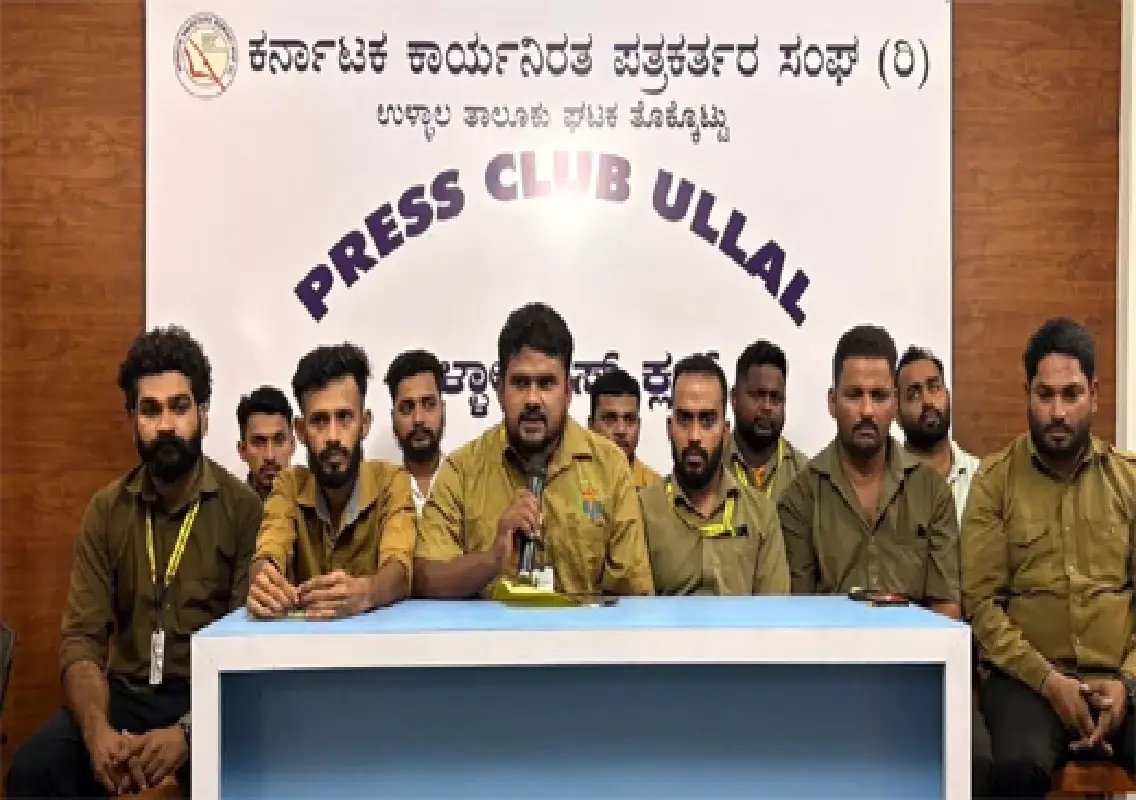
The announcement was made by Abdul Jaleel K., President of the Auto Rajakannmar Union, Dakshina Kannada, during a press meet held at Ullal Press Club in Thokkottu.
Key demands to be highlighted
Addressing mediapersons, Abdul Jaleel stated that the protest would focus on critical issues affecting auto drivers across the district. One of the primary demands is the implementation of a “one district–one permit” system, which would allow auto rickshaws to operate seamlessly across both urban and rural areas without jurisdictional restrictions.
He emphasised that the current permit system creates operational difficulties for drivers, limiting their ability to serve passengers efficiently. A unified permit system, he said, would improve accessibility for commuters and provide better earning opportunities for drivers.
In addition to permit reforms, the union is also demanding a revision of auto fares, citing rising fuel costs and maintenance expenses that have made it increasingly difficult for drivers to sustain their livelihoods.
Concerns over penalties and enforcement
While advocating for broader operational flexibility, Abdul Jaleel clarified that autos with rural permits should not be allowed to operate commercially within city limits. However, he raised concerns about what he termed as excessive penalties imposed by authorities.
He questioned the fairness of fines reaching up to Rs 10,000 when drivers use their vehicles for personal purposes, such as transporting family members or taking patients to hospitals during emergencies.
The union argued that such strict enforcement creates undue hardship for drivers who are already facing financial strain.
Insurance and operational challenges
Another major concern highlighted during the press meet was related to insurance complications. According to union representatives, vehicles operating under rural permits may face difficulties in claiming insurance in case of accidents, especially if they are found outside their permitted zones.
Abdul Jaleel noted that drivers regularly pay taxes and comply with regulations, yet continue to face systemic challenges. He added that representations have already been submitted to the Deputy Commissioner and the Superintendent of Police, and the union is hopeful of a constructive response.
Fuel supply issues add to woes
The union also raised the issue of difficulties in refilling gas, alleging that despite availability at certain fuel stations, supply is not being extended to some auto drivers. This, they said, has caused inconvenience not only to drivers but also to the commuting public.
Drivers have urged fuel station owners to ensure equitable distribution and avoid discriminatory practices that could disrupt daily transport services.
Widespread participation expected
The protest rally scheduled for April 13 is expected to witness participation from auto drivers across various parts of Dakshina Kannada. Union leaders believe the demonstration will send a strong message to authorities about the urgency of addressing their concerns.
Several key members of the union were present at the press meet, including Shafiq Boliyar, General Secretary; Siddiq Kodakkal, protest committee convener; Harish Gindeper; Vice-President Mansoor Malar; Joint Secretary Shakhiq Salettur; and members Sharif Manchi, Nisar Deralakatte, Tahseen Thokkottu, Imran Ullal, Rizwan Kanachur, and Usman Sajip.
Conclusion
The upcoming protest underscores the growing discontent among auto rickshaw drivers in Dakshina Kannada over regulatory and operational challenges. With demands ranging from permit reforms to fare revisions and fair enforcement practices, drivers are seeking immediate government intervention.
As the rally approaches, all eyes will be on the authorities’ response and whether constructive dialogue can address the concerns of thousands of drivers who form a crucial part of the region’s public transport system.