







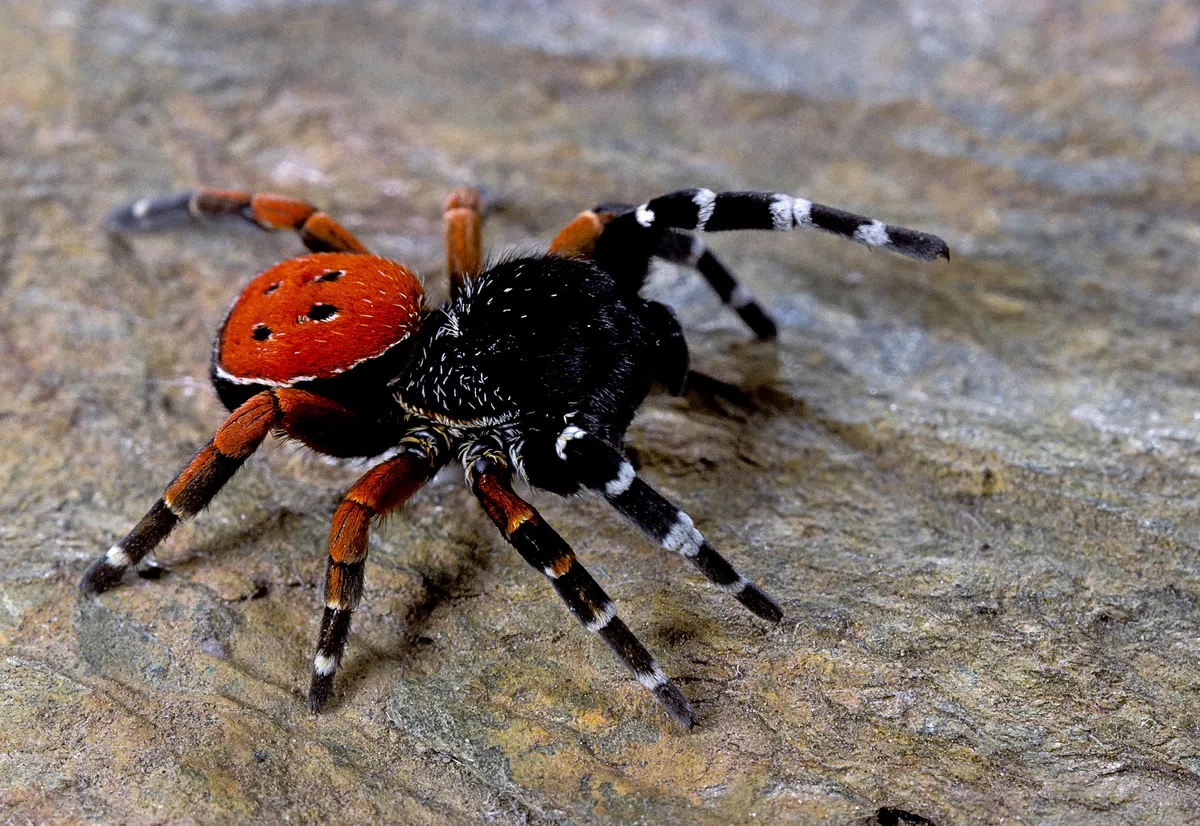


The Belvai Butterfly Park, through its annual Belvai Spider Workshop, has been playing a key role in studying and documenting the rich arachnid diversity of the Western Ghats. This year marks the fourth edition of the workshop, which has so far helped document over 150 species of spiders in Belvai and the adjoining forest regions.
The initiative has brought together naturalists, researchers, students and wildlife enthusiasts, creating one of the most consistent citizen-science-driven spider documentation efforts in the region.
Spiders as vital ecological indicators
Speaking on the significance of the programme, Sammilan Shetty, Founder of Belvai Butterfly Park, highlighted the ecological importance of spiders. He said spiders act as natural pest controllers and are reliable bio-indicators of forest health.
“We hope this workshop becomes a model for grassroots biodiversity research and public engagement with science, strengthening conservation efforts in Belvai and the foothills of the Western Ghats,” he said.
From 100 species to a comprehensive checklist
The first systematic spider survey conducted during the inaugural workshop in 2022 recorded over 100 species, revealing remarkable diversity across major spider families. This laid the foundation for long-term monitoring in the area.
The second edition expanded the checklist to 128 species, adding notable records such as Bristowia gandhii, Carrhotus (new species), Phlegra cf. prasanna, Arachnera and Chorizopes, representing families like Salticidae, Araneidae and Thomisidae.
In 2024, the documentation crossed another milestone with iconic species such as Thwaitesia (mirror spider), Paraplectana rajashri, Ariamnes, Hersilia and Cyrtarachne ixoides, taking the cumulative total beyond 150 species.
Citizen science driving conservation
With the 2025 workshop, data from 2022 to 2024 will be consolidated into the Belvai and Adjoining Forests Comprehensive Spider Checklist, one of the most robust arachnid datasets generated through citizen science in the Western Ghats.
Experts associated with the initiative note that spiders consume an estimated 400–800 million tonnes of insects annually, making them crucial to ecosystem balance and sustainable agriculture. Their sensitivity to habitat change also makes them valuable indicators for conservation planning.
The Belvai Spider Workshop will be held from December 26 to 28 at the Belvai Butterfly Park.