







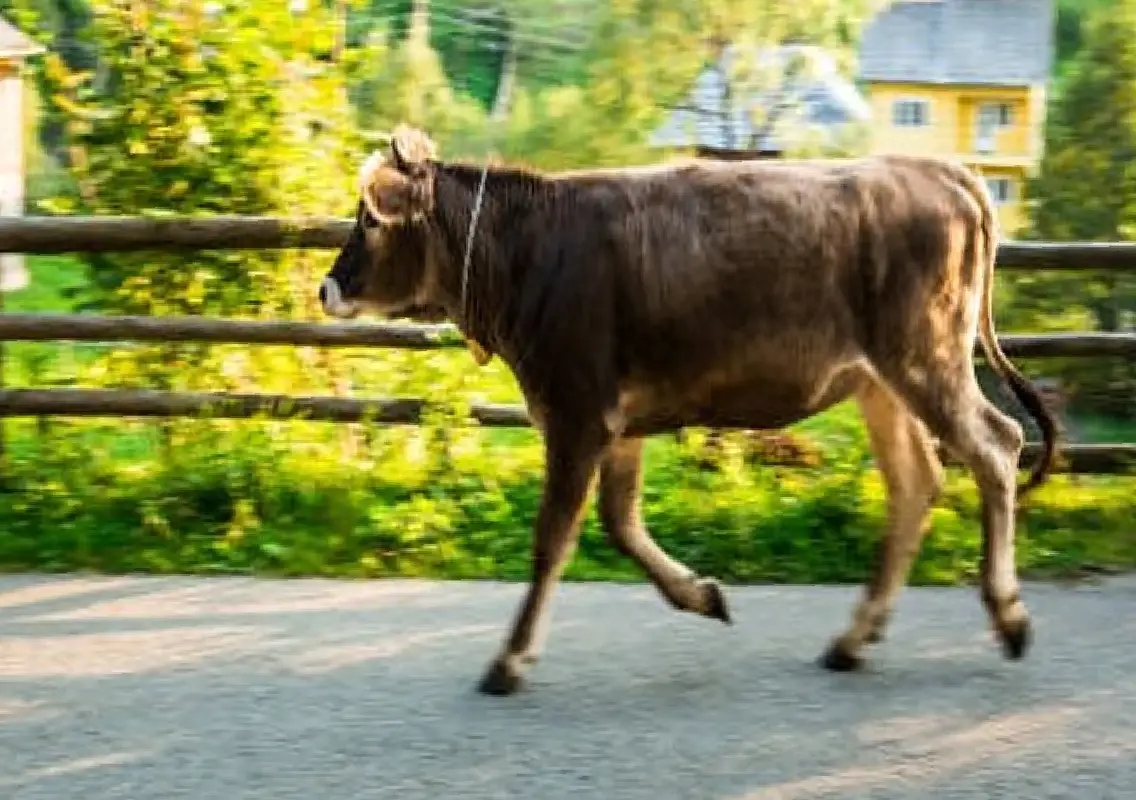


Mangaluru: An incident involving a cow sustaining a minor injury at a roadside eatery has come to light within the Mangaluru commissionerate limits, even as police confirmed that no formal complaint was lodged by the public. Acting on their own assessment of the situation, the police have registered a suo motu case under relevant legal provisions, highlighting the responsibilities of both animal owners and citizens in preventing cruelty to animals.
The incident occurred during regular business hours at a small roadside eatery owned by a Muslim man. The establishment was serving a mixed group of customers, including Hindu Maladharis and other locals, a detail that the police said reflected routine social harmony rather than any unusual circumstance.
Incident unfolded during routine business
According to preliminary information shared by the police, a cow wandered into the eatery premises from the roadside and attempted to eat food items kept there for customers. Such instances of cattle straying into commercial spaces are not uncommon, particularly in areas where animals are left unattended and allowed to roam freely.
In what was described as an instinctive reaction, the eatery owner tried to chase the cow away to protect the food items and ensure the safety of customers. At the time, he was holding a small kitchen knife that he had been using for routine tasks such as cutting vegetables, including onions.
During this attempt to drive the animal out, the cow sustained a minor injury. Police officials stated that the wound measured approximately one to two inches and was not life-threatening. There was no panic among customers, and the situation was brought under control quickly.
No public complaint lodged
Despite the injury to the animal, no customer, local resident, or animal welfare organisation came forward to lodge a formal complaint with the police. Officials said the matter came to their attention through routine monitoring and local inputs rather than a specific grievance.
Commissioner of Police Sudheer Kumar Reddy said that the broader context of the incident was carefully examined. “Hindus eating in a Muslim eatery is a great positive sign. Whatever happened appeared to be instinctive,” he said, indicating that there was no deliberate intention to harm the animal or provoke communal sentiments.
Police officials also clarified that the incident did not lead to any law-and-order issues and that normalcy was maintained in the area throughout.
Legal position explained by police
While no complaint was filed, the police stressed that the law mandates accountability in cases involving injury to animals. Commissioner Reddy explained that under existing legal provisions, the responsibility of caring for pet or domesticated animals rests entirely with their owners.
Allowing cattle to roam freely on public roads or commercial areas can create hazardous situations, not only for the animals themselves but also for motorists, pedestrians, and business owners. “Injury to an animal amounts to cruelty under the law and is punishable with a fine,” he said, referring to the Prevention of Cruelty to Animals Act.
Taking these factors into account, the police registered a suo motu case against two individuals. One case was filed against the owner of the cow for leaving it unattended on the road under potentially dangerous circumstances. Another case was registered against the eatery owner for causing injury to the animal, even though the act was described as unintentional and instinctive.
Stray cattle remain a civic concern
The incident has once again brought focus to the ongoing issue of stray and unattended cattle in urban and semi-urban areas. Free-roaming cows are frequently seen near markets, eateries, and busy roads, often leading to traffic disruptions, accidents, and occasional injuries.
Civic authorities and the police have repeatedly urged cattle owners to ensure proper shelter and supervision of their animals. Animal welfare activists have also pointed out the need for coordinated efforts involving local bodies, veterinary services, and law enforcement to address the problem in a humane and effective manner.
Conclusion
While the injury in this case was minor and no complaint was lodged, the police action serves as a reminder of shared responsibility. Authorities reiterated that preventing cruelty to animals requires responsible ownership as well as cautious behaviour by the public. The suo motu case, officials said, was aimed at reinforcing awareness of animal welfare laws rather than imposing harsh punishment.