







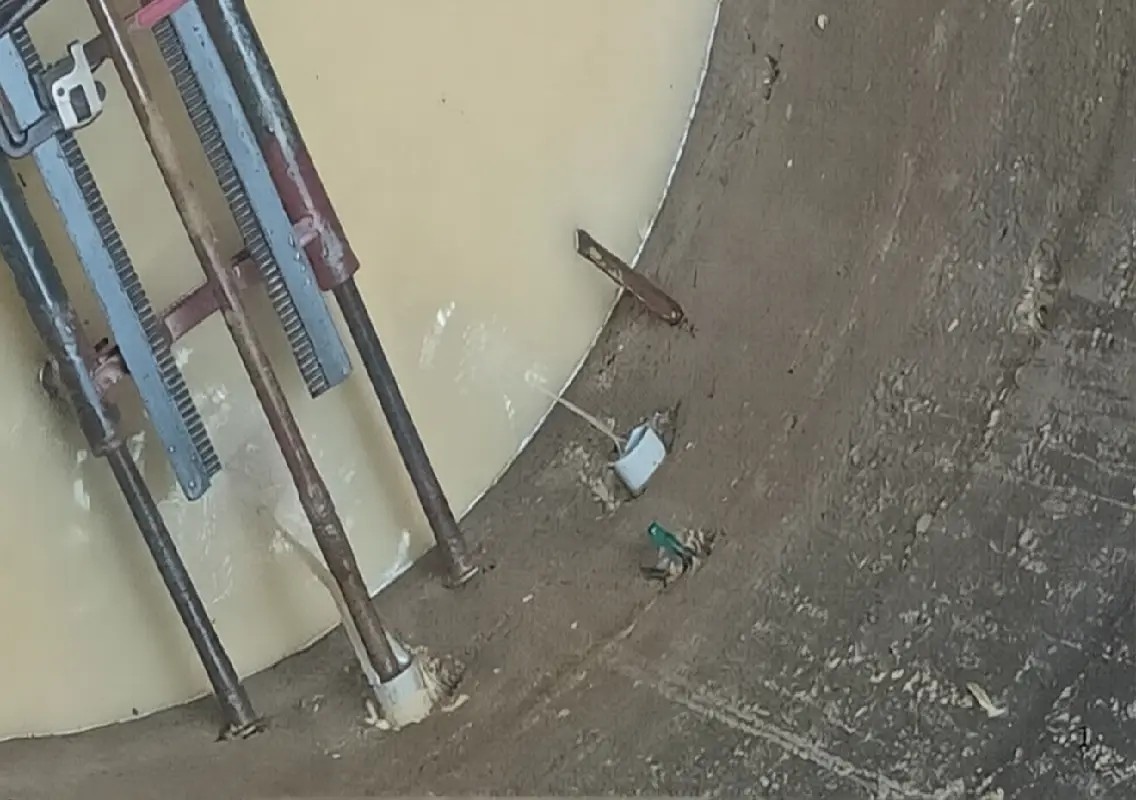


Mangaluru: Every summer, residents of Mangaluru and surrounding coastal regions face a familiar crisis—dry wells and depleted lakes as water levels drop sharply after the monsoon season. However, a quiet transformation is underway across the region, driven by an innovative yet locally adapted technique known as cross bore drilling. This method is increasingly being seen as a practical solution to revive dried-up water sources and address seasonal water scarcity.
A recurring summer crisis
The coastal belt of Karnataka, despite receiving heavy rainfall during the monsoon, struggles with water retention during peak summer months. Open wells and lakes that brim with water during the rainy season often dry up by March or April, leaving households and farmers dependent on alternative—and often expensive—water sources.
With rising temperatures and increasing demand for water, the need for sustainable and reliable solutions has become more urgent. In recent years, cross bore drilling has emerged as a preferred method among residents seeking to rejuvenate their traditional water sources.
How cross bore drilling works
Unlike conventional borewells that are drilled vertically deep into the ground, cross bore drilling involves a horizontal approach. The process begins inside an existing well, where a specialised drilling machine equipped with a motor pump is installed.
Using a 3.5-foot iron rod, workers drill horizontally into the surrounding soil in search of underground water channels. As the drilling progresses, additional iron pipes are connected, allowing the bore to extend up to 300 feet in some cases. The success of the operation depends largely on the type of soil or rock encountered—soft soil and loose rock formations make the process easier, while hard rock can slow down progress.
Once a water source is identified, water begins to seep into the well. A PVC pipe is then inserted into the drilled channel to maintain a steady flow. Typically, a single well can accommodate four to five such cross bores, significantly enhancing its water yield.
If sediment or mud blocks the pipe, it can be cleared using high-pressure water jets, ensuring long-term functionality. Experts say this method can provide a continuous flow of 1 to 2 inches of water throughout the year, as it taps into shallow groundwater reserves.
Requirements and cost factors
For cross bore drilling to be carried out effectively, the well must have a minimum internal diameter of 5 to 5.5 feet to accommodate equipment and workers. The operation usually involves a team of three skilled workers and requires access to a three-phase electricity connection.
The cost structure typically includes a fixed charge for setting up the drilling machinery and a variable cost based on the depth drilled, calculated on a per-foot basis. While the initial investment may vary, many residents consider it cost-effective compared to repeatedly relying on tanker water or drilling new borewells.
Rising popularity across regions
Although cross bore drilling has been in use in coastal Karnataka for nearly two decades, its popularity has surged in recent years. Increasing water scarcity and successful outcomes have driven more people to adopt the technique.
The demand is particularly high between January and May, when water levels are at their lowest. Apart from local teams, several skilled workers from North India have also been arriving in the district to meet the growing demand.
The technique is widely used in areas such as Kadaba, Puttur, Vittal, Bantwal, and even in neighbouring Kasaragod district.
Rooted in traditional wisdom
Interestingly, the principle behind cross bore drilling is not entirely new. It resembles the traditional ‘suranga’ system—horizontal tunnel wells historically used in the region to tap into groundwater flowing through laterite formations.
Many locals believe that drilling towards elevated terrain or hills increases the chances of finding water, a practice that aligns with traditional knowledge passed down through generations.
Voices from the ground
Ramesh Kaniyoor, a cross bore worker, highlighted the surge in demand this year. He noted that work typically begins in January and continues through the summer months. According to him, the method has consistently delivered positive results, helping revive wells and restore water availability.
Residents who have adopted the technique are also reporting tangible benefits. One local shared that their well, which would run completely dry every summer, has now started retaining water after installing cross bores. The revived water supply is sufficient for both household use and agricultural needs.
Conclusion
As climate variability and water scarcity continue to challenge traditional water systems, cross bore drilling is emerging as a practical and scalable solution in coastal Karnataka. By blending modern techniques with traditional knowledge, it offers a sustainable way to revive existing water bodies rather than relying solely on new infrastructure.
If the trend continues, this quiet water revolution could play a crucial role in ensuring water security for thousands of households across the region.