







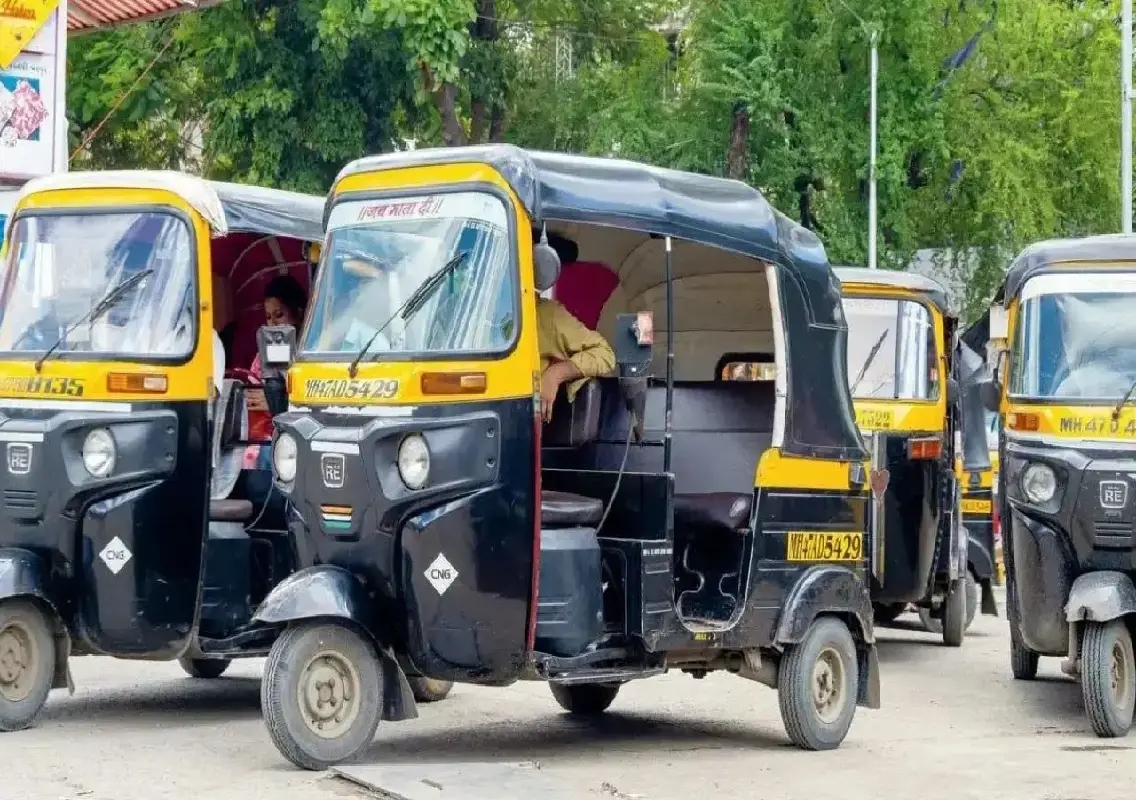


Mangaluru: Autorickshaw fares in Dakshina Kannada district have been revised, with the new tariff set to come into effect from November 1. Under the revised structure, passengers will have to pay Rs 40 for the first 1.5 km and Rs 23 for every subsequent kilometre.
The revision is expected to bring clarity to autorickshaw fares in the district, while also requiring operators to update their meters and display the officially approved fare chart prominently inside their vehicles.
Rs 40 minimum fare for first 1.5 km
As per the revised tariff, the minimum autorickshaw fare has been fixed at Rs 40 for the first 1.5 km.
After the initial 1.5 km, passengers will be charged Rs 23 for every additional kilometre. The revised rate will apply from November 1 and is expected to become the standard tariff for autorickshaw services across Dakshina Kannada.
The fare revision comes amid continuing discussions over autorickshaw operating costs and the need to maintain a balance between the expenses incurred by drivers and the financial burden on passengers.
Autorickshaws remain an important mode of public transport in Mangaluru and other parts of Dakshina Kannada, particularly for short-distance journeys. They provide last-mile connectivity to residential areas, markets, educational institutions, offices, railway stations, bus stands and other important locations.
Meter recalibration made mandatory
One of the key requirements under the revised fare structure is the recalibration of autorickshaw meters.
Drivers and owners will be required to ensure that their meters reflect the new tariff before charging passengers according to the revised rates. The recalibration is intended to prevent discrepancies between the officially notified fare and the amount displayed on the meter.
The requirement is also expected to reduce disputes between passengers and drivers, as the fare can be calculated based on the distance recorded by the calibrated meter.
Authorities are expected to monitor compliance with the revised tariff and meter recalibration once the new rates come into force.
Fare chart must be displayed
Autorickshaw operators will also be required to display the official fare chart inside their vehicles.
Displaying the tariff prominently will allow passengers to know the applicable rates and understand how their fare has been calculated. It will also provide a reference in case of disputes over the amount demanded at the end of a journey.
The fare chart is particularly important for visitors and passengers who may not be familiar with the latest tariff.
Separate charges for night travel
The revised fare structure also provides for separate charges for journeys undertaken during night hours.
Passengers travelling at night will have to pay the applicable additional amount over the regular meter fare. The provision recognises the different operating conditions faced by autorickshaw drivers during late-night hours.
The night fare is intended to be calculated according to the provisions specified in the revised tariff rather than being decided independently by individual drivers.
Waiting and luggage charges
Apart from the distance-based fare, separate provisions apply to waiting time and luggage.
Passengers may have to pay an additional amount when an autorickshaw is required to wait beyond the permitted free waiting period. Similarly, charges may apply when passengers are carrying luggage beyond the quantity covered under the standard fare.
These provisions are intended to establish a uniform basis for calculating the final fare and avoid arbitrary charges.
Passengers are therefore advised to check the displayed tariff and meter reading, particularly when a journey involves substantial waiting time, night travel or additional luggage.
New rates aim to bring uniformity
The revised tariff is expected to provide a uniform fare structure for autorickshaw services across Dakshina Kannada.
For drivers, the revised rates provide an officially notified basis for recovering fares. For passengers, mandatory meter recalibration and display of the fare chart are intended to improve transparency.
Autorickshaw associations have previously raised concerns over increasing fuel, maintenance and other operational expenses, while passengers have sought reasonable and predictable fares.
The new tariff attempts to address these competing concerns through a clearly defined rate structure.
November 1 implementation
With the revised fares scheduled to take effect from November 1, autorickshaw operators will have to complete the necessary meter recalibration and display the new tariff before the implementation date.
The success of the revision will depend not only on the new rates but also on effective enforcement. Regular checks by transport authorities can help ensure that meters are properly calibrated and passengers are charged according to the notified tariff.
For commuters, the availability of a visible fare chart and a properly functioning meter will be important safeguards against confusion and overcharging.
The revised tariff is thus expected to bring greater clarity to autorickshaw services in Dakshina Kannada, while providing drivers and passengers with a common and officially recognised basis for determining fares.