







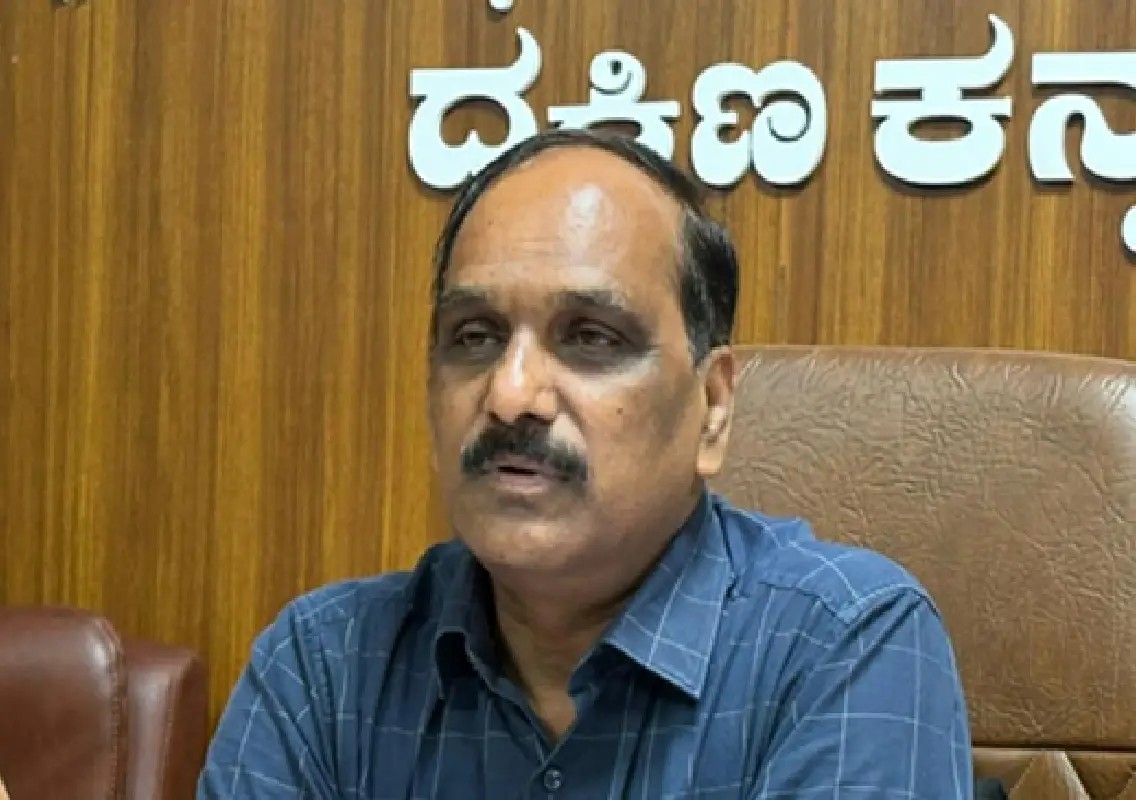


Mangaluru: Dakshina Kannada district has recorded 87 laboratory-confirmed influenza (H1N1) cases between January 1 and August 25 this year, with Mangaluru taluk accounting for the highest number at 60 cases, District Health Officer Dr H R Thimmaiah said.
Dr Thimmaiah and District Surveillance Officer Dr Naveen Chandra Kulal briefed the media about the prevailing influenza situation, preparedness measures and preventive steps at a press conference held at the District Health and Family Welfare Office on Thursday.
The briefing followed an emergency meeting chaired by the Health Minister with senior district-level health, surveillance and medical officers. Officials have been directed to use the media to create awareness and prevent confusion caused by misinformation about H1N1.
Mangaluru accounts for 60 cases
According to Integrated Health Information Platform (IHIP) surveillance data, Dakshina Kannada recorded 87 laboratory-confirmed influenza cases from January 1 to August 25, 2026.
Mangaluru taluk reported the highest number of cases at 60, followed by Bantwal with 14 cases.
Puttur recorded seven cases, while Beltangady reported five and Sullia one case.
The figures are being monitored closely by the Health Department as part of its district-level disease surveillance efforts.
Dakshina Kannada had reported 71 influenza cases between January and August 2025. The district recorded 207 cases during the whole of 2025, while 208 cases were reported in 2024.
The current year’s figure has been recorded over a period of nearly eight months, with health officials continuing surveillance to track the spread of the infection.
H1N1 spreads through respiratory droplets
H1N1, commonly known as swine flu, is an influenza infection that spreads from person to person.
The virus can be transmitted through respiratory droplets when an infected person coughs or sneezes. Close contact with an infected individual can also facilitate transmission.
Health officials said influenza infections generally tend to increase during colder weather. In India, cases are commonly reported during January-March and July-September.
Crowded locations can facilitate the spread of the virus as people remain in close proximity and respiratory infections can pass more easily between individuals.
The Health Department has therefore stressed the importance of public awareness and preventive measures to limit transmission.
Surveillance of ILI and SARI strengthened
The Health Department has strengthened surveillance of Influenza-Like Illness (ILI) and Severe Acute Respiratory Infection (SARI) cases across Dakshina Kannada.
District hospitals, medical college hospitals and super-speciality hospitals have been identified as surveillance centres.
These facilities will help health authorities identify suspected cases at an early stage and facilitate timely diagnosis and treatment.
Strengthened surveillance is also expected to assist officials in monitoring the disease pattern across the district and responding quickly if there is an increase in cases.
The health authorities are keeping track of patients presenting with symptoms that could indicate influenza, particularly those who develop severe respiratory complications.
Common symptoms and warning signs
Influenza-Like Illness generally presents with symptoms such as fever, cough, throat irritation, headache and body ache.
While many infections may not progress to severe illness, health officials have warned that serious cases can develop complications such as pneumonia.
Patients who experience breathing difficulties require immediate medical attention. Authorities have advised that such patients should be admitted to hospital without delay, depending on the severity of their condition.
Early medical evaluation is particularly important when respiratory symptoms worsen or a patient begins experiencing difficulty breathing.
Health Department focuses on awareness
The latest briefing was held following an emergency meeting chaired by the Health Minister with senior health, surveillance and medical officers.
Officials have instructed the district health machinery to strengthen public communication and use the media to provide accurate information about influenza.
The awareness drive is also intended to prevent unnecessary fear and confusion caused by misinformation.
Health authorities have urged people to rely on verified information from health officials and seek medical advice when symptoms become concerning.
With 87 confirmed cases recorded until August 25, the Health Department is continuing surveillance across Dakshina Kannada while strengthening arrangements for early detection and treatment.
The district’s health infrastructure has been placed under closer surveillance for ILI and SARI cases, with designated hospitals playing a key role in identifying and managing suspected infections.
The authorities have particularly stressed the need for immediate hospital care for patients experiencing breathing difficulties, as severe influenza infections can progress to pneumonia and other respiratory complications.