







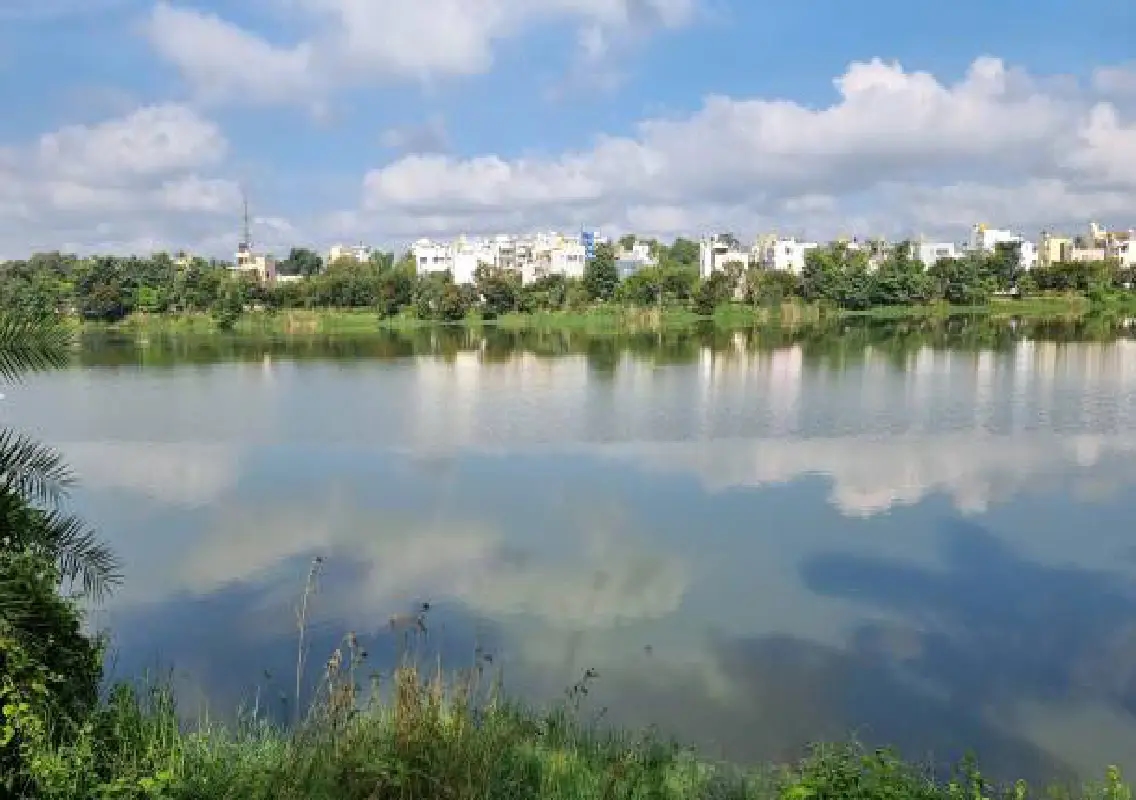


Mangaluru: In a strong move aimed at safeguarding water bodies across Dakshina Kannada district, Deputy Commissioner H V Darshan has directed all departments responsible for lake protection to ensure continuous patrolling and regular inspections to prevent encroachment and degradation. The directive was issued while presiding over a district-level Lake Development Committee meeting held on Wednesday.
Emphasising the ecological and social importance of lakes, the deputy commissioner said that the district has a wide range of water bodies located in both urban and rural areas, and protecting them must be treated as a priority by all concerned departments.
Multiple departments responsible for lake protection
DC Darshan noted that lakes in Dakshina Kannada fall under the jurisdiction of different authorities, including gram panchayats, urban local bodies, the minor irrigation department and other government departments.
“Each department must clearly understand its responsibility. Lakes are spread across various administrative limits, and their protection cannot be ignored on the grounds of jurisdictional ambiguity,” he said.
He instructed departments to periodically inspect the entire extent of lakes under their control and maintain updated records of boundaries, status and current usage. Officials were also told to coordinate with revenue authorities wherever necessary to resolve boundary-related disputes.
Regular inspections to prevent encroachment
The deputy commissioner stressed that regular inspections and field visits were crucial to detect early signs of encroachment, dumping of waste or illegal construction in and around lake areas.
“Lakes are increasingly under pressure due to urbanisation, infrastructure development and real estate activity. If inspections are not carried out frequently, encroachments become difficult to reverse,” he warned.
He also asked officials to submit periodic reports on the condition of lakes under their respective jurisdictions, including photographs and details of any violations noticed.
Warning of action against negligent officials
Additional Deputy Commissioner K Raju, who also addressed the meeting, took a firm stand on accountability. He said continuous patrolling must be ensured to prevent encroachment of lake land and warned that negligence would not be tolerated.
“If any encroachment of lake land is detected, cases will be registered not only against private individuals but also against officials of the concerned departments who fail in their duty,” Raju said.
He made it clear that officials would be held personally responsible if encroachments occurred due to lack of monitoring or delayed action.
Immediate steps to clear encroachments
The additional deputy commissioner further directed officials to take immediate steps to clear lake land that has already been encroached upon. He said prolonged delays often encourage further illegal occupation and weaken the administration’s case during eviction drives.
“Once an encroachment is identified, action must follow without delay. Allowing illegal structures to remain sends the wrong message and defeats the purpose of lake protection,” he said.
Officials were advised to work closely with the revenue department, police and local bodies to carry out eviction drives in a lawful and coordinated manner.
Importance of lakes for water security
During the meeting, officials also discussed the role of lakes in groundwater recharge, flood mitigation and sustaining local ecosystems. Several participants pointed out that lakes in both urban and rural areas are vital for drinking water supply, irrigation and biodiversity.
DC Darshan observed that neglect of lakes could have long-term consequences for water security, especially in the context of changing rainfall patterns and climate variability.
“Protecting lakes is not just an environmental issue. It is directly linked to the livelihoods of people, availability of water and the overall resilience of the district,” he said.
Urban lakes under increasing pressure
Officials highlighted that urban lakes are facing greater pressure due to population growth, solid waste dumping and sewage inflow. In many cases, feeder channels have been blocked or altered, affecting the natural hydrology of the lakes.
The deputy commissioner instructed urban local bodies to ensure that sewage and stormwater drains are properly maintained and that untreated wastewater is not allowed to flow into lakes.
He also asked civic authorities to increase public awareness about the importance of lakes and the legal consequences of encroachment and pollution.
Role of gram panchayats in rural areas
In rural areas, gram panchayats were asked to take a proactive role in monitoring lakes and ponds under their control. Officials said community participation could play a key role in protecting water bodies from gradual encroachment.
The DC suggested involving local residents, lake protection committees and volunteers in reporting violations. “Local people are often the first to notice illegal activities. Their cooperation can significantly strengthen enforcement,” he said.
Coordination among departments stressed
The meeting underscored the need for better coordination among departments dealing with lakes, including minor irrigation, revenue, forest, rural development and urban local bodies.
Officials were advised to hold joint inspections wherever lakes fall under overlapping jurisdictions and to share information regularly to avoid gaps in monitoring.
Conclusion
The directions issued by Deputy Commissioner H V Darshan and Additional Deputy Commissioner K Raju mark a decisive push towards protecting lakes in Dakshina Kannada district. With continuous patrolling, regular inspections and strict accountability for officials, the district administration aims to curb encroachment and restore the health of its water bodies. If implemented effectively, these measures could help preserve lakes for future generations and strengthen the district’s water security in the long run.