







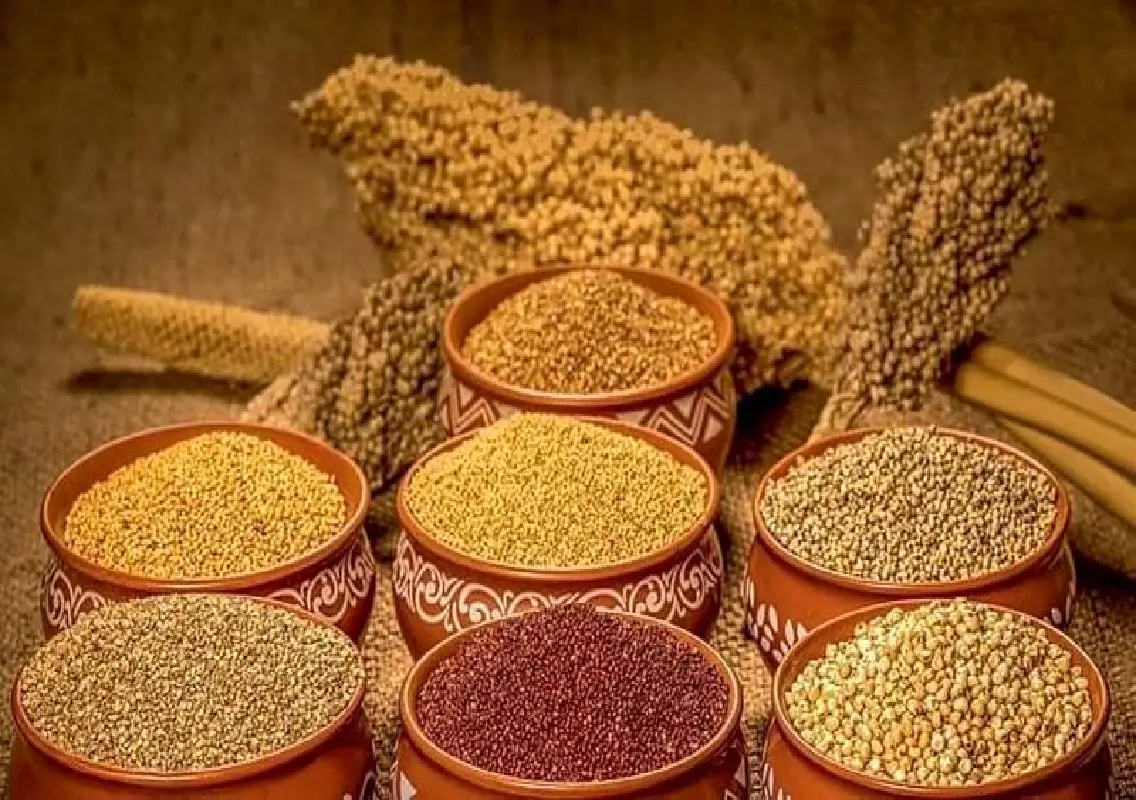


Mangaluru: A healthy lifestyle can be achieved by including a variety of millet-based dishes in the daily diet, said Jayaram, Project Director of the Dakshina Kannada Zilla Panchayat, while inaugurating the district-level millet and traditional (forgotten) foods cooking competition held on Wednesday. The event was organised at the office of the Joint Director of Agriculture and aimed at promoting the nutritional, agricultural and environmental benefits of millets and traditional food practices.
Millets key to health and environment
In his inaugural address, Jayaram emphasised that millets are not only highly nutritious but also play a crucial role in sustainable agriculture and environmental conservation. He said millet crops support soil health, require less water compared to other cereals and contribute to ecological balance.
“Consuming millets regularly can significantly improve overall health. At the same time, cultivating millets benefits farmers, conserves water resources and supports environmental protection,” he said. He added that millets can be used to prepare a wide range of dishes, making them suitable for inclusion in everyday meals.
Jayaram stressed the importance of increasing millet consumption, particularly among younger generations. He urged people to replace junk food with millet-based alternatives to lead a healthier and more balanced lifestyle. According to him, reviving traditional food habits is essential not only for personal well-being but also for long-term food security.
Revival of traditional food practices
Joint Director of Agriculture Honnappa Govinda Gowda highlighted the need to reintroduce food practices followed by earlier generations to today’s youth. He said traditional diets were largely based on locally grown, nutritious ingredients such as millets, which helped maintain good health and immunity.
“With changing lifestyles, many traditional food habits have been forgotten. Through programmes like this competition, we aim to bring back awareness about these foods and encourage people to adopt them once again,” he said. He added that more such initiatives would be organised in the future to promote millets and traditional cuisines.
Strong participation from across the district
The cooking competition saw enthusiastic participation from across the district, with a total of 51 participants representing various taluks. The contestants competed in three categories — forgotten foods, savoury millet dishes and sweet millet dishes — showcasing both creativity and traditional knowledge.
Of the total participants, 10 competed in the forgotten foods category, 17 in the savoury millet dishes category and 24 in the sweet millet dishes category. The competition provided a platform for participants to demonstrate how traditional ingredients and millets can be transformed into nutritious and appealing dishes suitable for modern tastes.
Wide range of traditional and millet dishes
Participants presented an impressive variety of dishes, reflecting the rich culinary heritage of the region. Traditional and millet-based items on display included kaje laddu, patrode, naanil (a traditional Tulu dish), ollede kodi, therede kodi, various chutneys prepared from leafy greens, ragi laddu, jowar roti, navane upma and navane bisibelebath.
The sweet category featured innovative and traditional preparations such as cakes made from jowar flour, jackfruit biryani, jackfruit holige, millet cookies, ragi halwa and millet pongay. Judges noted that the dishes combined nutrition, taste and traditional cooking methods, underlining the versatility of millets.
Winners announced in three categories
At the conclusion of the competition, winners were announced in all three categories. In the savoury millet dishes category, Jayashree Attavar secured the first prize, Rajeshwari N won the second prize, and MP Rohini Acharya claimed the third prize.
In the sweet millet dishes category, Vimala Raju won the first prize, followed by Vivek Alva in second place and Prajwal M in third place. In the forgotten foods category, Shashmi Bhat emerged as the winner, while Smita Vivek and Sunita Harish secured the second and third prizes respectively.
Encouraging millet-based lifestyles
Officials said the competition was not just about cooking skills but also about spreading awareness on the importance of millets in daily diets. Millets are rich in fibre, minerals and essential nutrients, and are known to help manage lifestyle-related health issues such as diabetes and obesity.
Agriculture department officials noted that promoting millet consumption can also boost local farming communities by increasing demand for traditional crops. They added that millets are climate-resilient and well-suited to local agro-climatic conditions, making them an ideal choice in the face of changing weather patterns.
Conclusion
The district-level millet and traditional foods cooking competition successfully highlighted the health, cultural and environmental significance of millets. By bringing together participants from across the district and showcasing a wide range of nutritious dishes, the event reinforced the message that traditional food practices remain relevant in modern times. Officials expressed hope that such initiatives would inspire more people to embrace millets and forgotten foods as part of a sustainable and healthy lifestyle.