







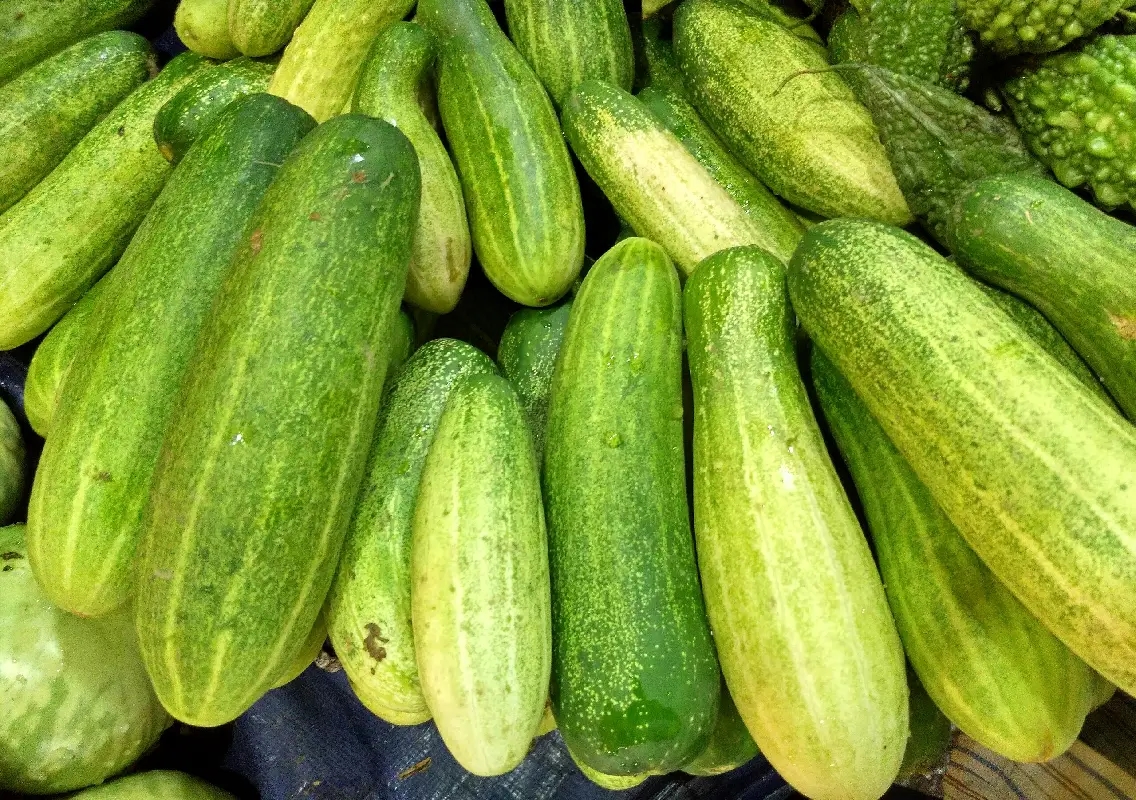


Mangaluru: A quiet but determined effort is underway along Karnataka’s coast to conserve the traditional ‘kempu tirulina mullu saute’, a salad cucumber variety once common in backyard gardens but now on the brink of disappearing.
According to agricultural expert and Adike Patrike editor Shree Padre, this deep-rooted coastal crop was never part of commercial farming and has drastically declined in recent decades. “Sirsi in Uttara Kannada is probably the only place where it still survives in a few home gardens. It deserves to be on the Red List of endangered crops,” he said.
Distinct taste and texture
Unlike high-yield hybrids, ‘mullu saute’ never entered mainstream markets. Known only to a small circle of families, the cucumber is praised for its crisp texture, subtle sweetness, and yellowish pulp, making it ideal for salads. Padre noted, “Even if it is a little costlier, people will choose it for the flavour. It could easily find a place in star hotel menus or homestays.”
However, seed scarcity remains a challenge, with farmers often losing them to wild animals. Padre has been distributing seeds to interested growers to encourage revival.
Farmers face hurdles but see potential
Some home growers like Vinayak Bhat Naroor of Sirsi continue to nurture the crop despite challenges such as delayed harvests, continuous rains, and monkey menace. “Protecting it is a battle few are willing to fight,” he admitted.
Commercial farmers are also experimenting. Suresh Nayak from Hiriyadka, Udupi, tried cultivating 100 plants this year. “Everyone who tasted it appreciated its flavour. Unlike other cucumbers that soften quickly, this one stays fresh longer,” he said. Though rains damaged most of his 350 prepared plants, Nayak plans to expand cultivation after receiving positive feedback — including inquiries from Maharashtra and Mangaluru buyers.
Declining interest among youth
With younger generations moving to cities and shifting away from traditional crops, conservationists worry about the future of heirloom varieties like the ‘kempu tirulina mullu saute.’ Yet, renewed farmer interest and consumer appreciation are sparking hope for its revival.