







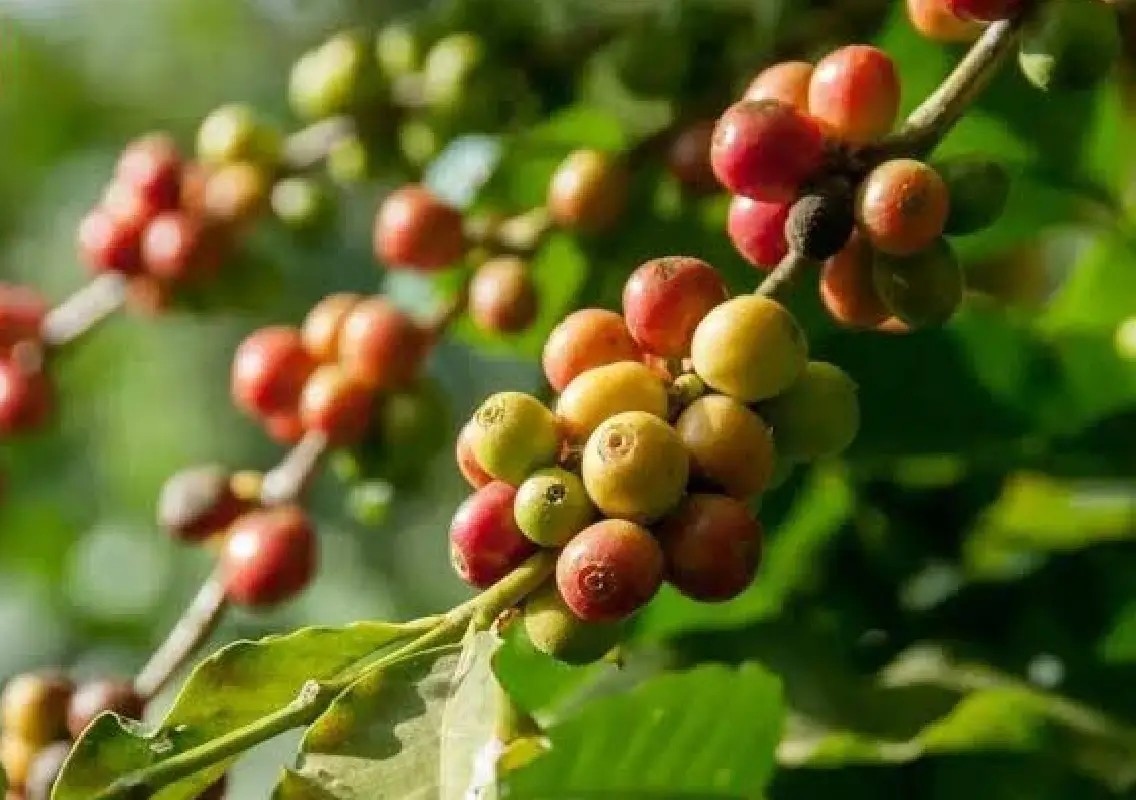


Mangaluru: The growing demand for exotic coffee plants from Vietnam and Brazil among Karnataka’s coffee growers has raised concerns over the possible risks to India’s coffee industry.
The Central Coffee Research Institute (CCRI) has warned planters against purchasing unauthorised planting material, particularly varieties being aggressively promoted by private nurseries and individuals on social media.
Exotic saplings sold at high prices
Varieties such as TS5, TR9 and TR11 from Vietnam, along with some Brazilian varieties, are reportedly being marketed to growers at prices ranging from Rs 115 to Rs 350 per plant.
Arun Kumar, a planter from Koppa, said he approached a nursery but decided against purchasing the plants after being quoted Rs 325 per sapling.
Coffee Board chairman MJ Dinesh said CCRI had received reports of private nurseries allegedly selling unauthorised seedlings, seeds and plants. The Board has sought clarification and said suitable action would be taken if violations are established.
CCRI warns of pest and disease risks
In an advisory, CCRI Director M Senthilkumar cautioned that importing exotic coffee varieties without government permission and quarantine procedures could introduce pests, diseases and noxious weeds that are not currently prevalent in India.
The institute has also clarified that the Coffee Board has not authorised or accredited any private nursery or estate to import exotic coffee varieties.
CCRI said the performance of these foreign varieties under Indian agro-climatic conditions has not been scientifically evaluated. New varieties are recommended only after multi-location trials across coffee-growing regions.
Growers urged to verify planting material
The Coffee Board has urged planter associations, estate owners and new-generation growers to exercise caution and verify the authenticity of planting material with Coffee Board scientists before making purchases.
Some planters have, however, questioned the delay in action, claiming that thousands of such plants may already have been supplied.
With coffee cultivation expanding into non-traditional regions, officials have stressed the need for greater caution to prevent untested planting material from putting plantations and lakhs of growers at risk.