


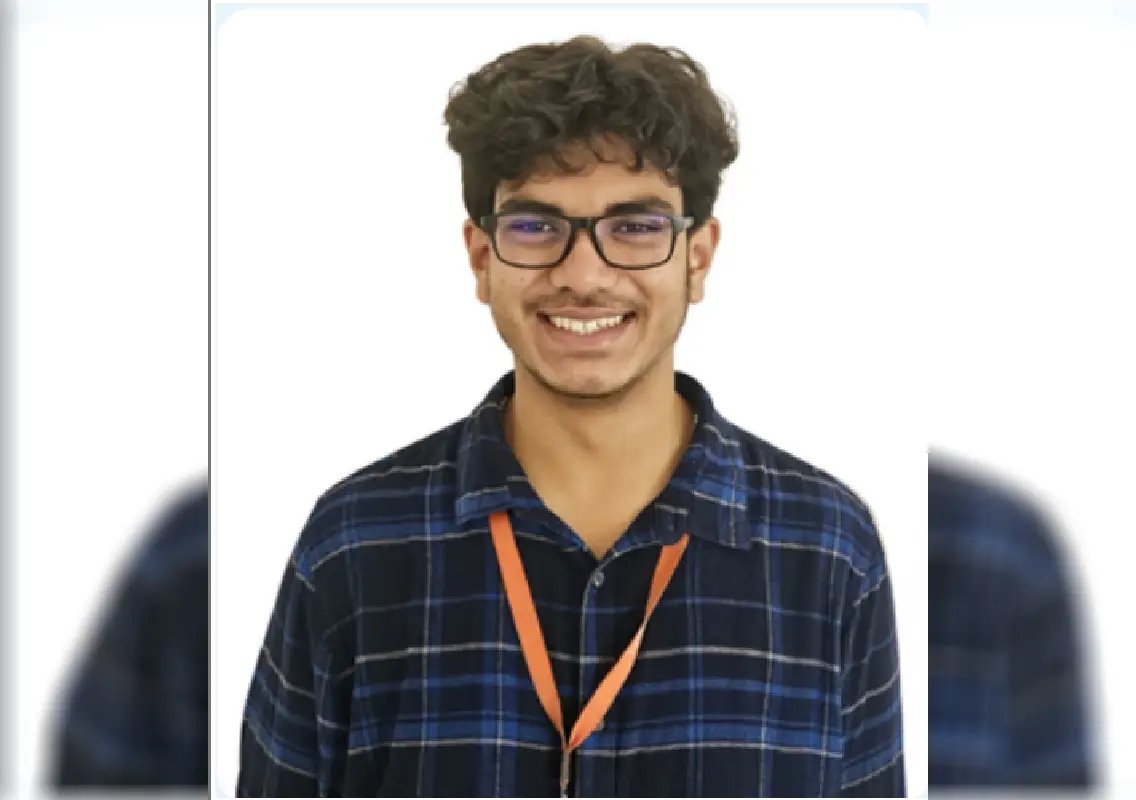


Mangaluru: Bringing laurels to Father Muller College of Allied Health Sciences (FMCOAHS), Mangaluru, Renoy Antony Olivera, a second-year BSc Neuroscience Technology student, has won the prestigious science writing competition organised by The Antibody Society (TAbS), an international scientific organisation dedicated to advancing antibody research and related fields.
Renoy secured the recognition for his essay titled “Antibody Tree,” which has been published on the official website of The Antibody Society. The award carries a cash prize of USD 500, marking a significant milestone in the young student’s scientific journey and highlighting his ability to communicate complex scientific concepts through writing.
Pursuing his Bachelor of Science in Neuroscience Technology at FMCOAHS, Renoy has cultivated a keen interest in neuroscience, genomics, computational biology and mathematics, with a more recent focus on antibody research. His interdisciplinary approach to science has already earned him notable recognition. He is the recipient of the Dr Sanjeev Rai Award for Best Student Researcher bestowed by FMRC and has also published a single-author research paper in Neuroinformatics, a Springer Nature journal.
Renoy aspires to become a scientist who can bring together diverse disciplines to explore complex questions that cannot be answered through a single field of study. His latest achievement reflects this curiosity, intellectual initiative and commitment to scientific inquiry, demonstrating how young researchers can contribute to the wider scientific community through both research and effective scientific communication.
Congratulating Renoy on his achievement, Dr Shivashankara A. R., Principal of Father Muller College of Allied Health Sciences, lauded his scientific curiosity, dedication and pursuit of academic excellence. The achievement, he noted, reflects the importance of encouraging students to look beyond the prescribed curriculum, engage with emerging areas of research and develop the confidence to present scientific ideas on international platforms.
Rev. Fr Faustine Lucas Lobo, Director of Father Muller Charitable Institutions (FMCI), congratulated Renoy on bringing international recognition to the institution. He commended the student’s initiative in exploring interdisciplinary scientific avenues and emphasised the importance of fostering a culture of research, innovation and intellectual inquiry among students. Such accomplishments, he noted, reflect the institution’s commitment to nurturing young minds who can contribute meaningfully to science, healthcare and society.
Father Muller College of Allied Health Sciences, a constituent institution of Father Muller Charitable Institutions, offers a range of programmes across allied health disciplines, preparing students to meet the evolving needs of healthcare through academic rigour, practical training and research-oriented learning. The college strives to cultivate scientific acumen, critical thinking and evidence-based practice, encouraging students to explore new frontiers in healthcare and contribute to the advancement of knowledge.
Rev. Dr Michael Santhumayor, Administrator of Father Muller College of Allied Health Sciences, congratulated Renoy Antony Olivera on his remarkable achievement, stating that his success in an international science writing competition is a testament to the spirit of inquiry, perseverance and academic excellence nurtured at Father Muller. He emphasised that such accomplishments encourage students to look beyond conventional learning, explore emerging areas of scientific research and confidently share their knowledge with the global scientific community. He expressed pride in Renoy’s achievement and wished him continued success in his pursuit of scientific discovery and interdisciplinary research, bringing honour to the institution.
Renoy’s achievement stands as an inspiring example of how curiosity, interdisciplinary learning and a passion for discovery can open doors to international recognition. Father Muller Charitable Institutions congratulates Renoy Antony Olivera on this distinction and wishes him continued success in his academic and research endeavours.
The Antibody Tree
The Story of the Multiple Careers of Our Best Friend
By Renoy Antony Olivera
Throughout this essay, you will notice a number of stars ★; each star marks a Nobel-recognized milestone in the long history of antibody research.
The medical science field has grown almost exponentially, and some of its greatest branches are immunity, infection, cancer, and disease, and running through all of them is our best friend, the antibody. The evolution of the antibody was not a linear path towards complete mastery; rather, it was a branching process much like the branching of a tree, where each discovery created a new offshoot into a different direction. Now, when I imagine the antibody to be a tree, I don’t see a small garden tree but rather
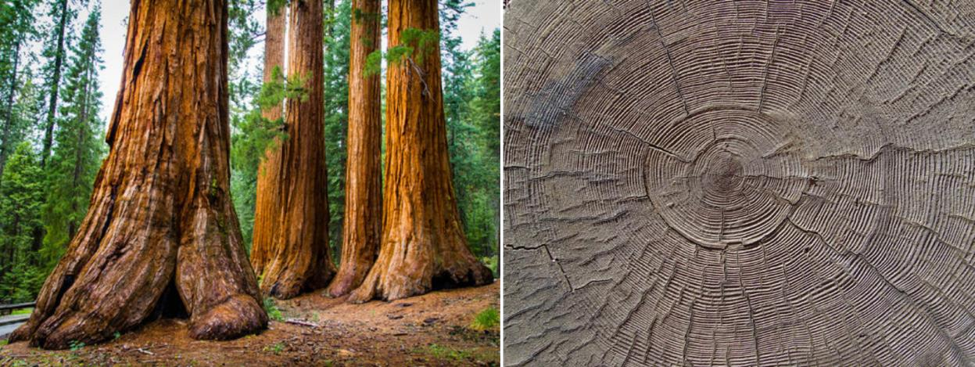
something ancient and yet… still perennial, like the Giant Sequoia of California [1].
Figure 1. Giant sequoia (Sequoiadendron giganteum) and the rings of its trunk. Native to California, giant sequoias can live for over 3,000 years.
What makes such a tree special is not only its height but also the history it holds. Year after year, it adds new rings and stores memory in its trunk. Antibody science feels much the same. Growing ever so steadily while adding new rings every year, continuing to expand our knowledge about the antibody, and exposing antibody research to new horizons.
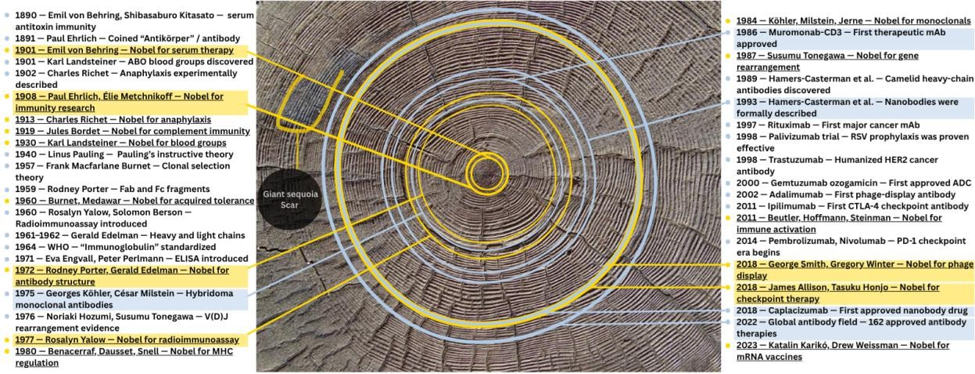
Figure 2. Antibody history reimagined through the rings of a giant sequoia trunk, with a few milestones marked as rings (yellow markers and rings are for Nobel-recognized milestones)
The Early Rings of the Antibody Tree
Long before science gave it a name, the antibody was already at work, binding, neutralizing, clearing, and most importantly protecting us… all in silence. In 1890, Emil von Behring and Shibasaburo Kitasato brought that unacknowledged work into the spotlight by showing that protection against diphtheria and tetanus could be transferred through serum. What Medicine saw first was not a molecule, but a lifesaving effect, a discovery that later earned Behring the first Nobel Prize in Physiology or Medicine (★1901) [2-3].
A year later, in 1891, Paul Ehrlich helped change that mysterious force into something science could
understand. He introduced the term “Antikörper”, which means antibody in German. He imagined them as “magic bullets,” precise enough to strike disease without harming the body (★1908) [4-5], but that optimistic version of the antibody was uprooted very soon in 1902 by Charles Richet. He described anaphylaxis and revealed an unsettling truth: the same antibody that protects us can also turn dangerous (★1913) [6-7]. Like a scar on a Giant Sequoia, this unsettling truth became part of the antibody’s history too.
Around the same time, Karl Landsteiner was performing experiments that revealed another side of the antibody story. In 1901, he observed that some blood sample combinations clumped while others did not; this made transfusion random and deadly. Today, we know that this happened because antibodies in one person’s blood recognized antigens on another person’s red blood cells and stuck to them. From that simple but powerful observation came the ABO blood groups and eventually, safer transfusions (★1930) [8-9]. Even before antibodies were fully understood, understanding their work already helped in saving lives.
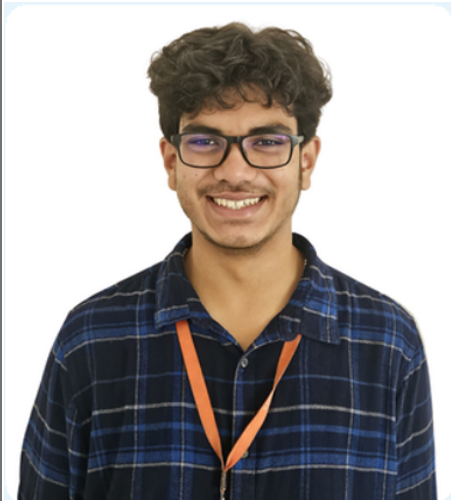
My name is Renoy Antony Olivera, and I am pursuing a Bachelor of
Science in Neuroscience Technology at Father Muller College of Allied Health Sciences, Mangaluru, India. My interests span neuroscience, genomics, computational biology, mathematics, and, more recently, antibody research. I recently received the Dr. Sanjeev Rai Award for Best Student Researcher and published a single-author paper in Neuroinformatics, a Springer Nature journal. My dream is to become a scientist who can bring these and other fields together to explore questions that no single discipline can answer alone.