







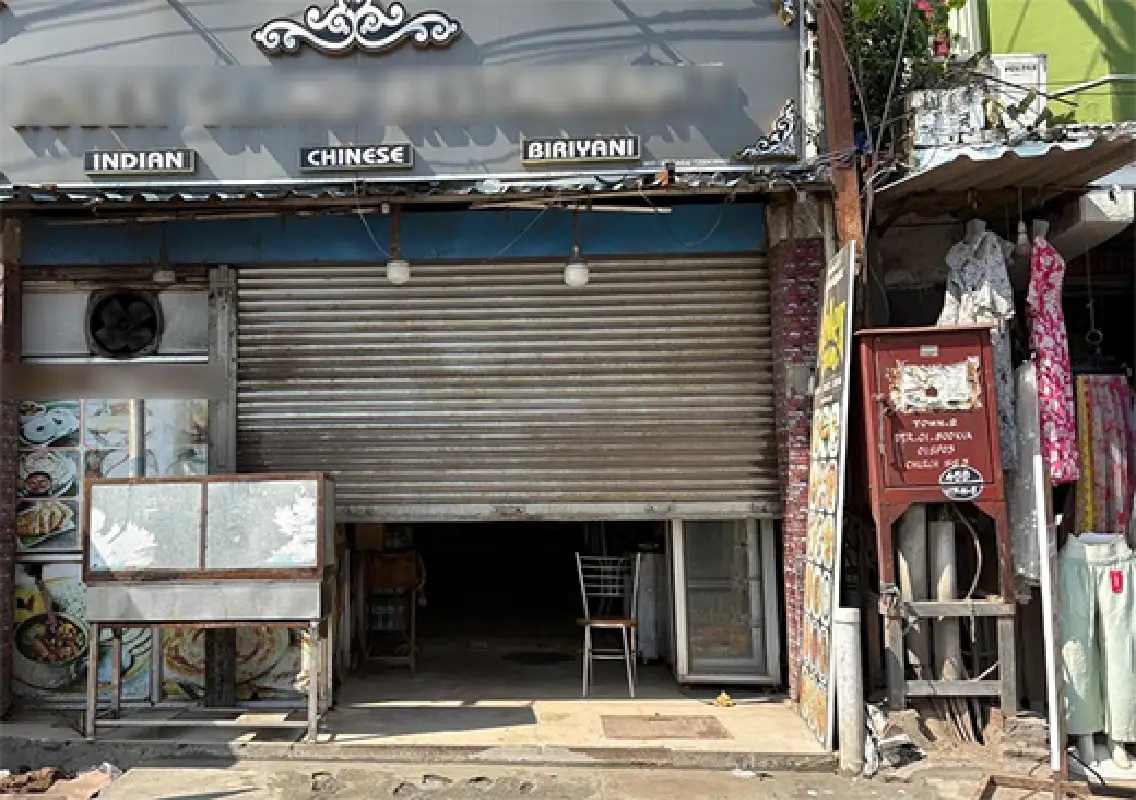


Mangaluru: A severe shortage of commercial cooking gas has disrupted the food and hospitality sector in Dakshina Kannada, forcing several hotels in Mangaluru to shut down operations. The crisis has been triggered by global supply disruptions linked to the ongoing tensions involving the US, Israel, and Iran.
Hotel owners across the city report that while domestic LPG supply is being rationed to once every 25 days, commercial LPG availability has nearly come to a halt. Though a few agencies continue to provide limited quantities, most establishments are unable to sustain operations under such constraints.
Hotels struggle to remain open
The shortage has hit both large and small eateries. While many small hotels and canteens are typically closed on Sundays, the crisis has led to additional closures, leaving residents with limited food options.
Even hotels that remain open have drastically altered their menus to cope with reduced gas availability. High-consumption items such as dosa, idli, and vada have largely been discontinued. Instead, hotels are serving simpler and less fuel-intensive dishes like sajjige, avalakki, kadle-avalakki, green gram preparations, pulao, kesari bath, puliyogare, and goli baje.
Staple items such as chapatis are no longer being prepared, and many establishments have switched from raw rice to boiled rice to minimise fuel usage.
PGs, hostels and caterers affected
The crisis has extended beyond restaurants to impact over 300 paying guest accommodations and more than 50 hostels in the city. Many of these facilities depend heavily on LPG for daily cooking and are now struggling to arrange meals for residents.
Those with sufficient space have resorted to firewood for cooking, while others are finding it difficult to maintain regular food services. The situation has caused inconvenience to students and working professionals who rely on such accommodations.
Catering units in the district have also been severely affected. Hundreds of caterers have reported disruptions, particularly in providing live cooking services at events, which have now largely been halted due to the fuel shortage.
Sharp rise in fuel prices
Compounding the problem is a steep increase in the price of commercial LPG. The cost of a cylinder, which was around ₹1,800 earlier, has surged to approximately ₹3,450—an increase of nearly 82%.
Hotel owners allege that some gas agencies are charging arbitrary prices, further worsening the situation. The rising cost has made it economically unviable for many businesses to continue operations.
At the same time, the alternative—firewood—has also become more expensive. Prices have risen from about ₹900 per quintal to ₹1,300, adding to the financial burden on hoteliers.
Industry voices concern
Kudpi Jagadish Shenoy, president of the Hotel Owners’ Association, said that running hotel businesses under such conditions has become extremely challenging. He warned that if the situation persists, more establishments may be forced to shut down.
Industry stakeholders have expressed concern not only about business losses but also about the livelihoods of workers. Suppliers, cooks, cleaners, and other staff dependent on the hotel sector are at risk of losing their income if closures continue.
Wider economic impact
The crisis highlights the cascading impact of global geopolitical tensions on local economies. Disruptions in energy supply chains have directly affected essential services such as food preparation, demonstrating the vulnerability of small businesses to international developments.
Consumers, particularly daily wage earners and students, are also feeling the strain as access to affordable food becomes increasingly limited.
Conclusion
The cooking gas shortage in Mangaluru underscores the urgent need for stabilising fuel supplies and regulating prices. Without timely intervention, the crisis could deepen, affecting not just the hospitality industry but the broader local economy and thousands of livelihoods dependent on it.