







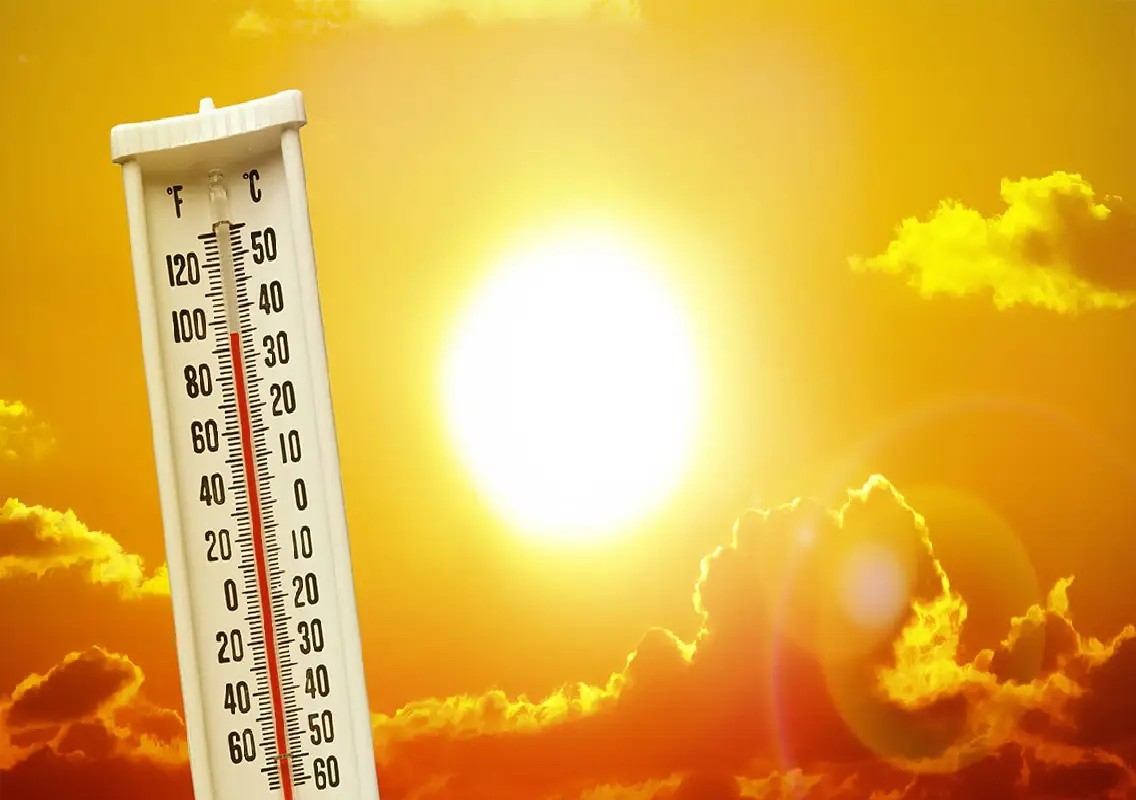


Mangaluru: The coastal city of Mangaluru is currently experiencing intense summer conditions, with rising temperatures coupled with persistent humidity making daily life increasingly uncomfortable for residents. While the region is typically known for its relatively moderate climate, this season has brought unusually harsh weather, leaving many struggling to cope with the oppressive heat.
During the daytime, temperatures are hovering in the early 30s degrees Celsius. However, the high humidity levels are making it feel significantly hotter than the actual readings. The coastal environment, which usually provides some respite through sea breezes, has instead contributed to a sticky and exhausting atmosphere, particularly during the afternoon hours.
As a result, public movement in busy areas has reduced noticeably. Residents are avoiding stepping out between late morning and evening, preferring to remain indoors during peak heat hours.
Daily life affected across sectors
The impact of the prevailing weather conditions is clearly visible across various sections of society. Street vendors, daily wage labourers, construction workers, and others engaged in outdoor occupations are among the worst affected. Prolonged exposure to heat and humidity has led to fatigue, reduced productivity, and growing health concerns.
Healthcare professionals in the city have reported an increase in cases related to heat stress. Symptoms such as dehydration, dizziness, headaches, and heat exhaustion are becoming more common, particularly among children and the elderly. Doctors are advising residents to stay hydrated, avoid direct sun exposure, and seek medical attention if symptoms worsen.
Night-time conditions have offered little relief, with warm and humid weather leading to sleep disturbances for many. Residents report discomfort even during late hours, contributing to overall fatigue and reduced well-being.
Rising demand for electricity and water concerns
The ongoing heatwave-like conditions have also led to a spike in electricity consumption. Households are increasingly relying on fans, coolers, and air-conditioning systems to manage indoor temperatures. This surge in demand is placing additional pressure on power supply systems.
Simultaneously, concerns regarding water availability are beginning to surface in certain parts of the city. In nearby rural areas, the prolonged dry spell is affecting agricultural activities, with farmers reporting stress on crops due to insufficient moisture and rising temperatures.
Residents adapt to changing conditions
Many residents feel that the current heat is more intense compared to previous years, largely due to the high humidity levels that amplify discomfort. Even routine activities are becoming physically draining, prompting lifestyle adjustments.
People are increasingly staying indoors during peak hours, consuming more fluids, and opting for light, breathable clothing. Public places and workplaces are also witnessing changes in routines, with some adjusting working hours to avoid the harshest part of the day.
Weather outlook and precautions
Weather experts suggest that occasional pre-monsoon showers may provide temporary relief in the coming weeks. However, the hot and humid conditions are expected to persist until the onset of the southwest monsoon.
Authorities and health officials have urged residents to take necessary precautions, including staying hydrated, avoiding prolonged exposure to the sun, and taking special care of vulnerable groups such as children and senior citizens.
Conclusion
The ongoing weather conditions in Mangaluru highlight the growing challenges posed by extreme climatic patterns. Beyond discomfort, the heat and humidity are affecting health, livelihoods, and everyday routines. As the city awaits the arrival of the monsoon, adapting to these conditions remains essential for residents navigating this difficult summer.