







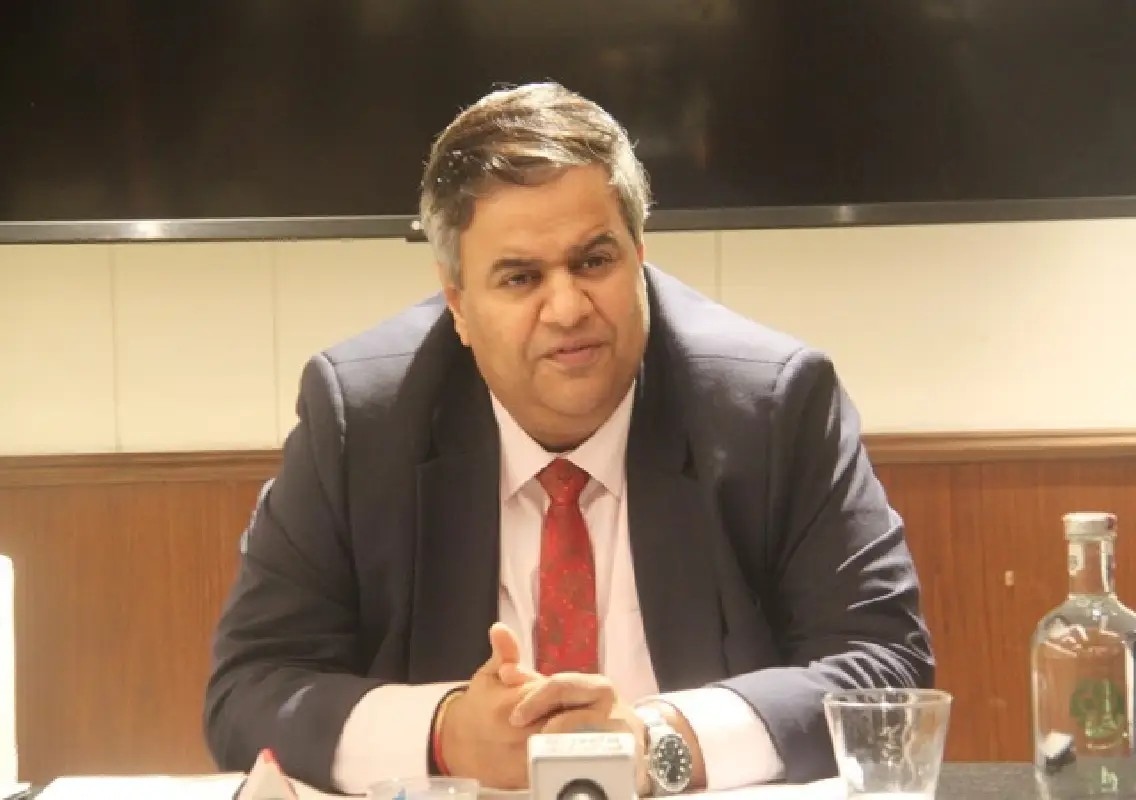


Mangaluru: Describing the India-UK Free Trade Agreement (FTA) as a “landmark, win-win partnership”, British Deputy High Commissioner for Karnataka Chandru Iyer said the agreement is set to unlock significant opportunities for Karnataka’s exporters, startups, industries and educational institutions while further strengthening economic ties between India and the United Kingdom.
Addressing a press conference in Mangaluru on Friday, Iyer said the Comprehensive Economic and Trade Agreement (CETA), which came into force on July 15, marks a new chapter in bilateral relations by expanding cooperation beyond traditional trade into areas such as digital commerce, sustainability, gender equality and support for small and medium enterprises (SMEs).
Comprehensive trade pact enters implementation phase
Iyer said the agreement was finalised after 14 rounds of negotiations covering 30 chapters and moved from signing to implementation in less than a year.
He noted that businesses in both countries can immediately begin availing themselves of the benefits offered under the new framework, making it one of the most comprehensive trade agreements signed by India and the UK.
According to him, the pact not only reduces tariffs but also establishes mechanisms to promote investment, innovation and long-term business collaboration between the two economies.
Bilateral trade expected to grow significantly
Highlighting the economic impact of the agreement, Iyer said bilateral trade between India and the United Kingdom had already increased from $43 billion to $48 billion even before the FTA came into force, reflecting growing confidence among businesses in both countries.
He expressed confidence that the agreement would generate an additional $25 billion in bilateral trade over the coming years, providing a substantial boost to economic growth, employment and investment.
A key feature of the FTA is the reduction of trade barriers, with 99 per cent of Indian exports to the UK and 90 per cent of UK exports to India now eligible for zero or significantly reduced tariffs.
He said the tariff concessions would improve market access for exporters while making trade more competitive and cost-effective for businesses on both sides.
Karnataka poised to be a major beneficiary
Iyer described Karnataka as one of the states expected to benefit the most from the agreement due to its diverse economy spanning agriculture, seafood, healthcare, aerospace, information technology and advanced manufacturing.
He said traditional products with strong regional identity would receive improved access to British markets. These include Mysuru sandal soap, Chikmagaluru coffee, Byadgi chillies, Channapatna toys, Mysuru silk, cashew nuts and seafood produced in Dakshina Kannada.
“Karnataka has a unique combination of traditional industries and cutting-edge technology sectors. This agreement creates enormous opportunities for businesses across every segment,” he said.
The envoy added that the agreement would benefit both established exporters and emerging entrepreneurs by opening new international markets.
UK investments continue to grow in Karnataka
The Deputy High Commissioner said Karnataka remains a preferred destination for British investment and currently ranks as the third-largest recipient of UK investments in India.
He pointed out that several leading British companies, including Tesco, Rolls-Royce, HSBC, London Stock Exchange Group and NatWest, have established major Global Capability Centres (GCCs) in the state.
According to Iyer, these investments have strengthened Karnataka’s position as a global technology and innovation hub while generating employment and enhancing skill development.
Education and connectivity receive a boost
Apart from trade and investment, the agreement is expected to deepen educational and cultural ties between the two countries.
Iyer said direct weekly flights between Bengaluru and London have increased from seven to 34, making travel more convenient for business professionals, students and tourists.
He also highlighted growing academic collaboration, with institutions such as Imperial College London, the University of Liverpool, Lancaster University and Birkbeck, University of London establishing research centres and academic partnerships in Karnataka.
These collaborations, he said, would encourage research, innovation and knowledge exchange across multiple disciplines.
HealthTech startups gain global exposure
Iyer also spoke about the successful completion of the India-UK HealthTech Accelerator Programme, organised in partnership with the Manipal Academy of Higher Education (MAHE).
Around 30 Indian HealthTech startups participated in the three-day accelerator programme, where British experts mentored entrepreneurs on expanding their innovations into international markets.
Following the programme, six outstanding startups working in areas such as artificial intelligence-driven healthcare, cancer detection, advanced diagnostics and wearable medical technology will receive fully funded visits to the United Kingdom to explore partnerships with investors and businesses.
Information to be available in Kannada and Tulu
To ensure that the benefits of the agreement reach grassroots entrepreneurs, farmers and small businesses, the British Deputy High Commission is collaborating with the Directorate General of Foreign Trade (DGFT) and the Karnataka government to translate trade-related information into Kannada and Tulu.
The initiative aims to help local exporters better understand tariff concessions, export procedures and market opportunities available under the FTA.
Iyer also announced that Karnataka would soon receive its first official consignment of Scottish salmon under the new trade framework, describing it as another milestone in the growing trade partnership.
Concluding the interaction, he expressed confidence that the India-UK Free Trade Agreement would strengthen not only trade and investment but also innovation, education and people-to-people ties, positioning Karnataka as a key contributor to the next phase of India-UK economic cooperation.