







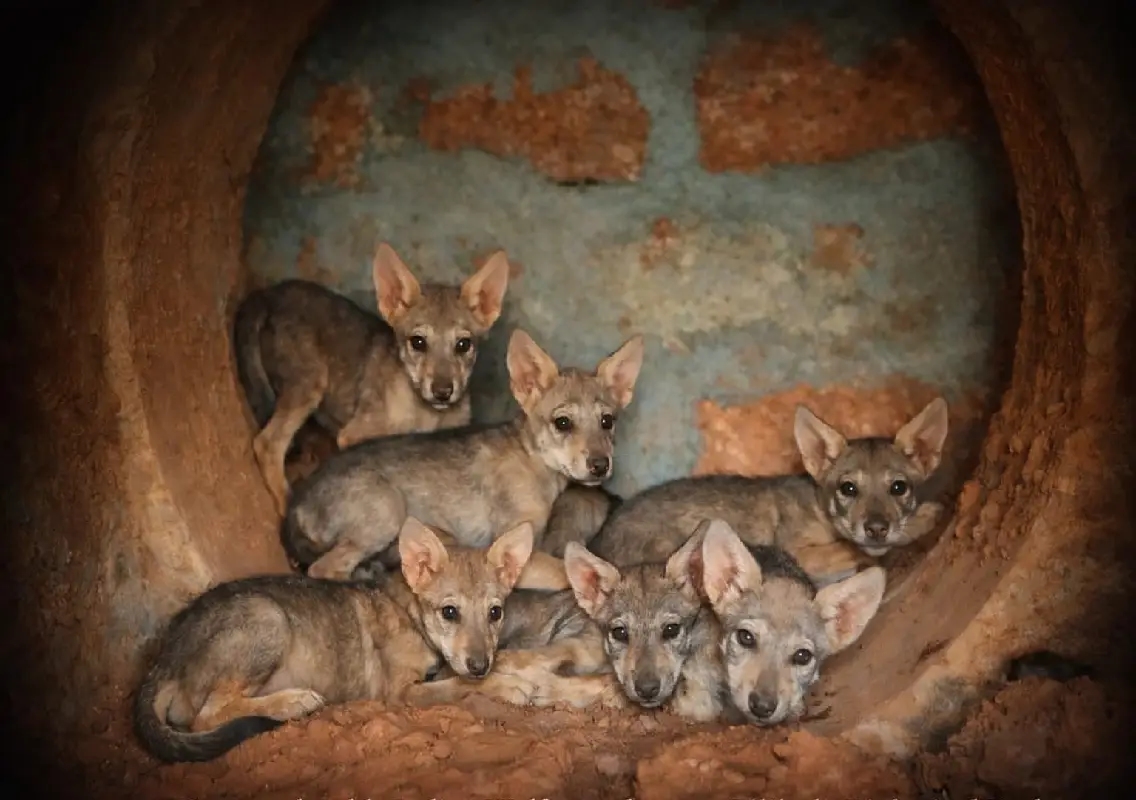


Mangaluru: In a significant milestone for wildlife conservation in coastal Karnataka, an Indian wolf named Geeta at Pilikula Biological Park has successfully given birth to seven pups. This marks the first successful breeding of the Indian wolf species at the facility since it began housing them three years ago.
Officials at the park confirmed that the litter comprises four male and three female pups. Both the mother and the newborns are reported to be healthy and thriving under close supervision.
First successful breeding at the facility
The birth of the pups is being hailed as a major achievement by the Pilikula Development Authority. Commissioner Dr Arun Kumar Shetty described the development as a breakthrough in the zoo’s ongoing conservation and captive breeding efforts.
The Indian wolf, scientifically known as Indian wolf, is a subspecies native to the Indian subcontinent. It faces several threats in the wild, including habitat loss, human-wildlife conflict, and declining prey populations. Successful captive breeding programmes such as this play a crucial role in preserving genetic diversity and supporting long-term conservation strategies.
According to officials, the wolves at the park have been part of a carefully monitored breeding programme aimed at ensuring a sustainable population in captivity. The birth of seven pups in a single litter is considered a positive indicator of both the health of the animals and the effectiveness of the park’s management practices.
Care and monitoring of the pups
Veterinarians and animal caretakers at the park are closely monitoring Geeta and her pups to ensure their well-being. Special attention is being given to their diet, habitat conditions, and overall health.
Zoo authorities stated that the early weeks after birth are critical for the survival of wolf pups. As such, minimal human interference is maintained while ensuring that medical support is readily available if needed.
The pups have now grown more active and are beginning to explore their surroundings. Visitors can observe them moving around within their enclosure, offering a rare opportunity to witness the early life stages of this elusive species.
Public viewing and awareness
In a move aimed at promoting wildlife awareness, the park has opened the enclosure for public viewing. Visitors to Mangaluru can now see the pups from a safe distance, making it both an educational and engaging experience.
Officials believe that showcasing such conservation successes can help sensitise the public about the importance of protecting endangered and lesser-known species like the Indian wolf. Increased awareness can also contribute to better support for conservation initiatives across the country.
Broader conservation context
The development comes at a time when India is witnessing renewed focus on wildlife conservation, including notable successes such as the recent increase in cheetah numbers at Kuno National Park. While high-profile species often capture headlines, experts emphasise the importance of conserving lesser-known animals like wolves, which play a vital role in maintaining ecological balance.
The Indian wolf is known for its adaptability to arid and semi-arid landscapes, but its population in the wild remains vulnerable. Conservationists stress that captive breeding must go hand in hand with habitat protection and community engagement to ensure long-term survival.
Conclusion
The birth of seven wolf pups at Pilikula Biological Park represents a noteworthy achievement in Karnataka’s wildlife conservation efforts. It not only strengthens the park’s role in captive breeding programmes but also highlights the importance of sustained efforts to protect native species.
As the pups continue to grow under expert care, the development offers hope for the future of the Indian wolf and serves as a reminder of the impact that well-managed conservation initiatives can have on preserving biodiversity.