







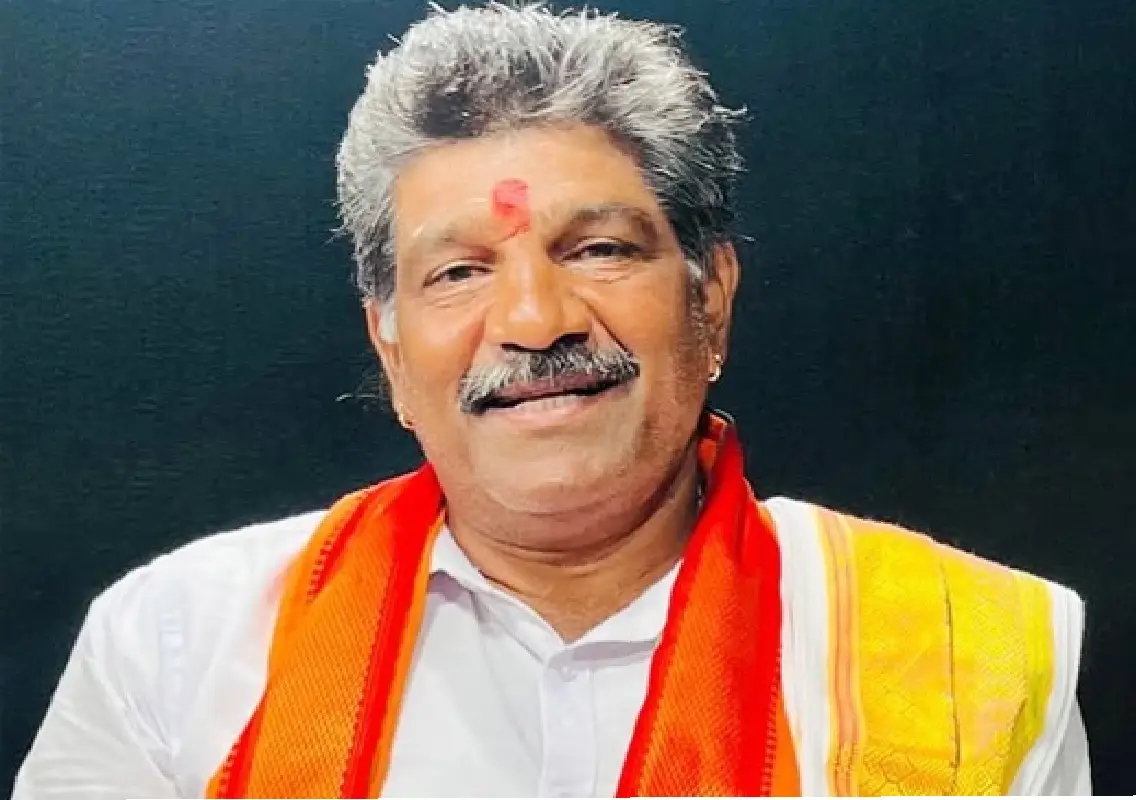


Mangaluru: Mahesh Shetty Timarodi has been granted bail by the Bantwal court in connection with a hate speech case in which a non-bailable warrant had earlier been issued against him for failing to appear before the court. The court considered his bail application and allowed the plea after hearing arguments from both sides.
The case against Mahesh Shetty was registered following an investigation by Belthangady police under provisions related to alleged hate speech. According to case records, he had not appeared before the jurisdictional court during earlier stages of the proceedings, which led to the issuance of a non-bailable warrant to secure his presence.
Background of the case
Police had registered the case after examining statements and materials linked to an alleged hate speech incident. Based on the findings of the investigation, charges were invoked and the matter was placed before the court for further legal process.
As per procedure, once a case is registered and taken cognisance of, the accused is required to appear before the court when summoned. In this instance, Mahesh Shetty did not appear as directed, prompting the court to take coercive steps to ensure his presence.
A non-bailable warrant was subsequently issued by the Belthangady court. Such warrants are typically issued when an accused repeatedly fails to respond to summons or bailable warrants, or when the court believes appearance cannot be ensured through lesser measures.
Bail application moved before court
Following the issuance of the non-bailable warrant, Mahesh Shetty filed a bail application before the Bantwal court seeking relief and permission to appear under bail protection. The petition requested that the warrant be recalled and that he be granted bail in the case.
Advocate Sirajuddin Jogibettu appeared on behalf of the accused and presented arguments supporting the bail plea. The defence submitted grounds seeking judicial leniency and requested that the accused be allowed to participate in the legal proceedings without being taken into custody.
The prosecution side placed the case background and procedural history before the court during the hearing.
Court considers submissions
After hearing the submissions and reviewing the application, the Bantwal court allowed the bail petition. With the granting of bail, the earlier non-bailable warrant effectively stands addressed subject to compliance with bail conditions imposed by the court.
Legal experts explain that granting bail in such situations does not amount to a dismissal of charges. Instead, it enables the accused to remain at liberty while attending court proceedings and cooperating with the trial process.
Courts generally examine factors such as the nature of allegations, stage of investigation, reasons for earlier non-appearance, and assurances of future cooperation before deciding on bail pleas connected to non-bailable warrants.
Next steps in the trial process
With bail now granted, Mahesh Shetty will be required to appear before the court as directed and comply with all conditions attached to the order. These typically include regular attendance during hearings and not interfering with witnesses or evidence, though specific conditions depend on the court’s written order.
The case registered by Belthangady police will continue through the regular trial process. The court will examine evidence, witness testimony and legal arguments before arriving at a final conclusion on the charges.
Legal observers note that hate speech cases are handled with procedural care, as they involve both criminal law and constitutional considerations relating to speech and public order. Courts often stress the need for due process and evidence-based findings.
Legal representation noted
Court records show that Advocate Sirajuddin Jogibettu represented Mahesh Shetty in the bail proceedings and argued the application that led to the granting of bail. The order was issued after completion of the hearing on the plea.
Further hearings in the matter are expected as per the court schedule, with the accused now set to participate in the proceedings under bail protection.