









Mangaluru: A mandatory safety system intended to protect passengers and drivers in tourist vehicles has come under scrutiny after a police inspection found that some panic buttons installed in the vehicles were not functioning properly.
The devices, introduced as an emergency safety measure, are expected to alert authorities when activated during a critical situation. However, during a verification drive conducted on Thursday, police found that the system failed to transmit emergency alerts from some vehicles, raising concerns about whether the equipment can provide timely assistance when required.
The issue came to light after representatives of the Taxi Men and Maxicab Association approached the Deputy Commissioner of Police (DCP) with complaints regarding the functioning of the devices as well as alleged excess charges collected from vehicle owners and drivers.
Panic buttons fail during police inspection
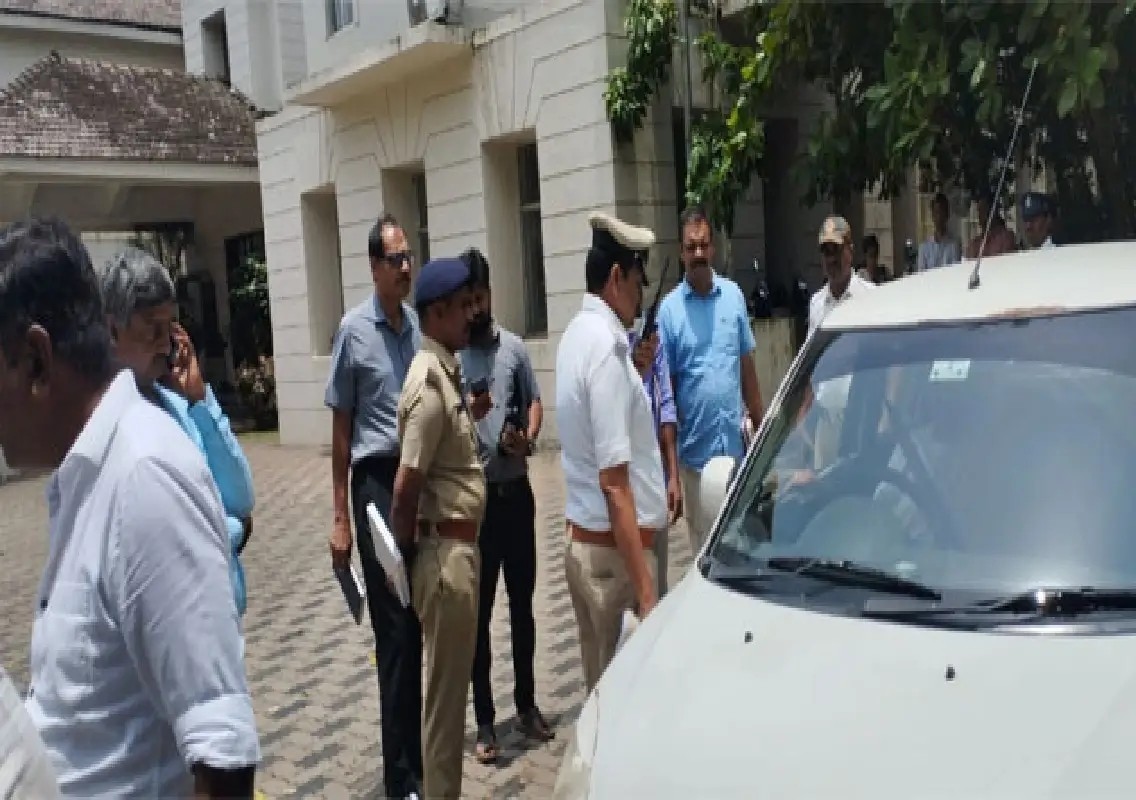
Following the complaint, concerned agents and a few tourist vehicles were called for an on-the-spot inspection. The purpose was to verify whether the panic button devices were functioning as claimed by the service providers.
During the inspection, the agents reportedly maintained that the devices were operational. However, the police decided to test the system in the presence of the DCP.
The panic buttons were pressed several times during the verification process. Despite the repeated activation, no emergency alert was received at the police control room.
The system also failed to generate a response or confirmation message for the drivers after the buttons were activated.
The failure has raised concerns because the devices are meant to serve as a direct communication mechanism between a vehicle in distress and emergency response authorities. If an alert is not transmitted when the button is pressed, the system may not provide the protection expected from it during an emergency.
Panic buttons made mandatory for tourist vehicles
The Karnataka government had made panic buttons mandatory in most tourist vehicles in the state as part of broader efforts to improve the safety of passengers and drivers.
The system is intended to enable quick intervention when occupants face an emergency, particularly in situations where making a conventional phone call may not be possible.
For commercial vehicle operators, the installation and continued functioning of such equipment therefore carry significant safety implications. The latest inspection, however, has brought attention to the gap that can arise between installing a safety device and ensuring that it remains operational.
The police verification has also raised questions about who is responsible for regularly testing, maintaining and monitoring the devices once they have been installed.
Association raises recharge and top-up concerns
Apart from the functioning of the panic buttons, the Taxi Men and Maxicab Association has alleged that vehicle owners and drivers are being charged amounts higher than the prescribed rates for recharge and top-up services after the first year of installation.
Association office-bearers raised the issue with the DCP and sought an investigation into the alleged irregularities.
According to the association, vehicle owners and drivers should not be made to bear charges beyond the officially prescribed amounts in the name of maintaining or renewing the panic button service.
The complaint has consequently brought two connected issues into focus — whether the devices are actually operational and whether vehicle owners are being charged appropriately for keeping the service active.
DCP seeks detailed report
Taking the complaint seriously, the DCP said information would be collected from the agents concerned and that a detailed report would be submitted to the Transport Department.
The move is expected to help determine why the panic buttons failed to transmit alerts during the police verification and whether there were problems with the devices, communication network, service arrangements or maintenance.
The findings could also help establish whether the agencies responsible for providing the system are fulfilling their obligations.
The association has demanded a comprehensive investigation into the functioning of the panic button system and the alleged excess charges. It has also sought greater scrutiny of the service providers involved in installation, recharge and top-up operations.
Safety system under scrutiny
The latest incident has highlighted the importance of regular testing of mandatory safety equipment in commercial vehicles.
Installing a panic button alone does not guarantee passenger safety unless the device remains connected to the emergency response system and generates a timely alert. A failure during an actual emergency could prevent authorities from responding quickly to passengers or drivers seeking assistance.
The police inspection has therefore raised questions about the monitoring mechanisms in place for such equipment. It remains to be established whether the malfunction was limited to the vehicles tested or reflects a wider technical or maintenance issue.
The Transport Department’s response following the submission of the detailed report could determine the next course of action.
For now, the inspection has put the spotlight on the need for reliable emergency technology in tourist vehicles. Ensuring that panic buttons are regularly tested, properly maintained and linked to functioning response systems will be crucial if the safety mechanism is to serve its intended purpose.