







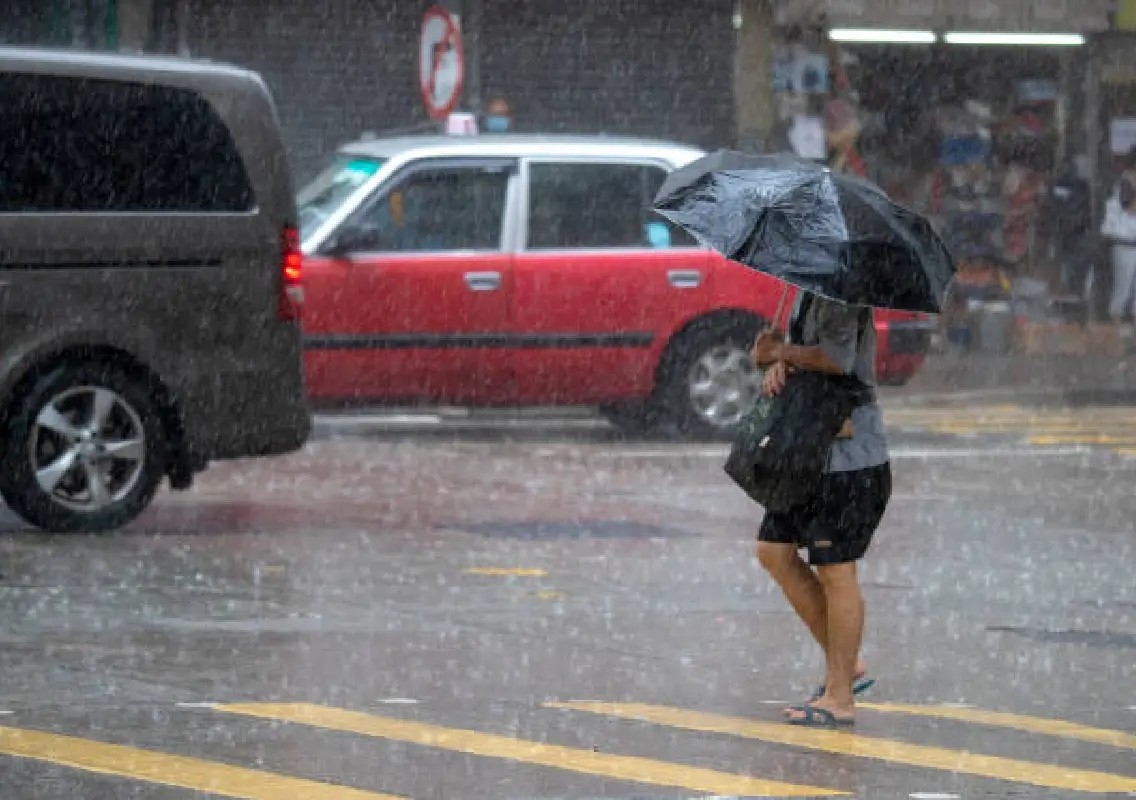


Mangaluru: With the southwest monsoon just days away, the district administration has stepped up preparedness measures to minimise damage caused by heavy rainfall. This year, officials have introduced a decentralised response system aimed at ensuring quicker action at the grassroots level.
Under this system, incident commanders have been appointed for each gram panchayat and ward across rural and urban areas. These officers will be responsible for coordinating immediate response during emergencies such as flooding, landslides, or storm-related incidents. Authorities believe that decentralisation will significantly reduce response time and improve coordination during critical situations.
Emergency funds allocated at grassroots level
To strengthen local preparedness, each gram panchayat has been allocated ₹30,000 as an emergency fund. This amount can be utilised for urgent needs including clearing fallen trees, managing water ingress into houses, and addressing minor landslides.
Officials stated that empowering local bodies with funds ensures that small but urgent issues can be addressed without waiting for approvals from higher authorities, which is crucial during the monsoon when delays can escalate risks.
Central control room and inter-department coordination
A dedicated control room is being established at the Deputy Commissioner’s office to oversee district-wide monsoon management. The control room will operate кругл-the-clock with dedicated staff.
Personnel from multiple departments, including National Highways and Fire and Emergency Services, will be deployed in shifts to ensure seamless coordination during emergencies. This integrated approach is expected to improve communication and resource mobilisation during crises.
Preventive measures for tree hazards and drainage
In a proactive move, permission has been secured from the forest department to prune or remove dangerous tree branches across the district. This step aims to prevent tree falls, which are a common hazard during heavy rains and strong winds.
Simultaneously, desilting of major drains has already been completed to ensure the smooth flow of rainwater. Officials emphasised that blocked drains are one of the primary causes of urban flooding, and early action in this regard is critical.
Safety measures in coastal and vulnerable areas
Given the risks associated with rough seas during the monsoon, Home Guards will be stationed at major beaches such as Ullal, Someshwar, Mogaveerapatna, Panambur, Tannirbhavi, Sasihithlu, and Surathkal. Their role will be to prevent the public from entering the sea during hazardous conditions.
Additionally, disaster response teams, including SDRF and NDRF units, will be deployed in landslide- and flood-prone zones. These teams are equipped to handle rescue operations and provide immediate relief.
Authorities have also identified houses located on hills, slopes, and coastal erosion-prone areas. Residents in these locations have been advised to shift to relief centres if risks escalate. Notices have been issued, and written undertakings will be collected from those choosing to remain despite warnings.
Focus on schools, anganwadis, and infrastructure
Special attention has been given to public infrastructure, particularly schools and anganwadis. Officials have been instructed to repair unsafe or dilapidated buildings before the monsoon intensifies.
A survey is also underway to identify hazardous trees within these premises, which will be removed in coordination with the forest department to ensure the safety of children.
In addition, steps are being taken to clear logs and debris stuck in vented dam gates, ensuring the uninterrupted flow of rainwater and reducing flood risk.
Power supply and emergency response readiness
MESCOM has been directed to set up helplines ahead of the monsoon season and coordinate with other departments to prevent power disruptions. Preventive maintenance and tree clearance near power lines are part of these measures.
All rescue equipment has been checked and kept ready for immediate deployment. Officials highlighted that preparedness at every level—from local bodies to district administration—is key to minimising damage and ensuring public safety.
Conclusion
The district administration’s comprehensive and decentralised approach reflects a strong focus on preparedness, coordination, and rapid response. By combining local empowerment with central oversight, authorities aim to mitigate risks and safeguard lives and property during the upcoming monsoon season