







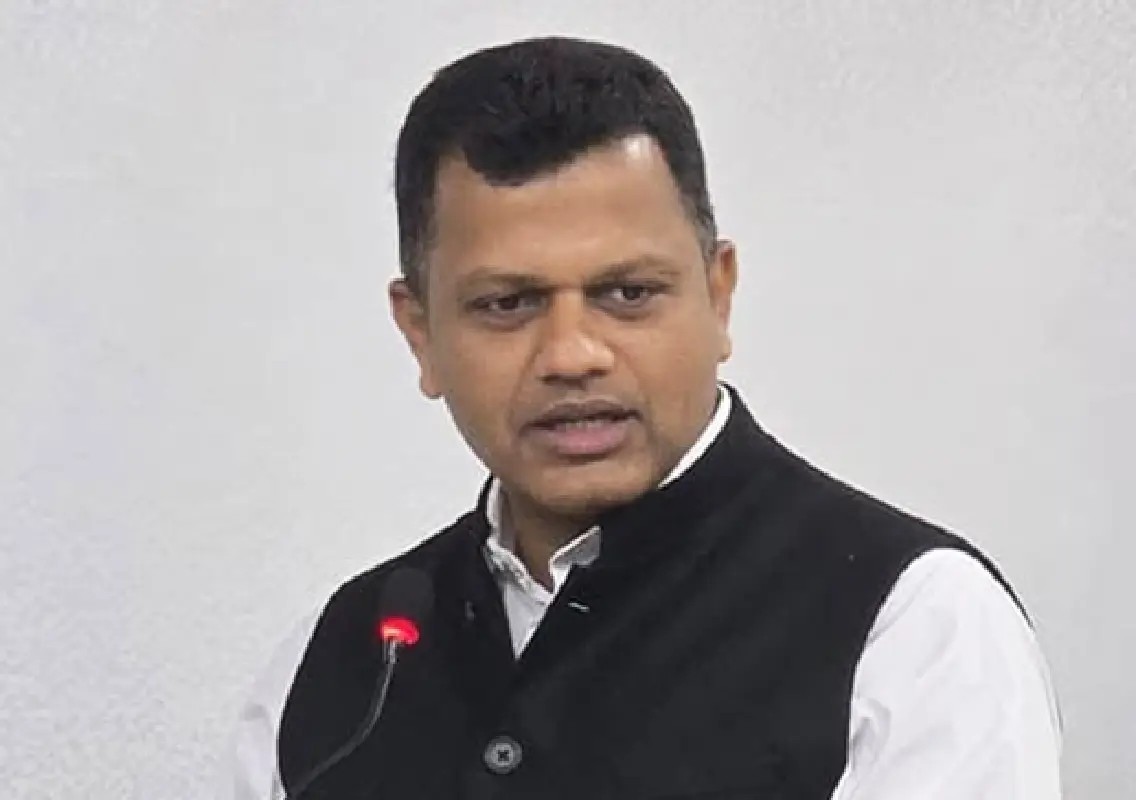


Mangaluru: Dakshina Kannada MP Brijesh Chowta has urged the Karnataka government to prioritise pedestrian safety, accessibility and mobility in the forthcoming Master Plan for Mangaluru, stressing that the city’s long-term growth strategy must be centred on people-friendly infrastructure.
In a letter addressed to D. K. Shivakumar, with copies marked to the Urban Development Minister, the Dakshina Kannada Deputy Commissioner and the Commissioner of the Mangaluru Urban Development Authority (MUDA), Capt. Chowta highlighted the urgent need for comprehensive pedestrian infrastructure across the coastal city.
The MP’s appeal comes at a time when Mangaluru is witnessing rapid urban expansion, increasing vehicle ownership and rising traffic congestion. He argued that the city’s development plans should place equal emphasis on the needs of pedestrians, particularly students, senior citizens, workers and daily commuters who rely on walking as a key mode of transport.
Supreme Court ruling strengthens case for pedestrian rights
In his letter, Capt. Chowta referred to a recent judgment of the Supreme Court that recognised the right to walk safely on designated footpaths as a fundamental right. He noted that the landmark ruling places a clear responsibility on planning authorities and local bodies to create and maintain adequate pedestrian infrastructure.
According to the MP, the judgment reinforces the importance of designing cities that are safe and accessible for all sections of society. He pointed out that urban planning should not be confined to road widening and vehicular movement alone but should also address the needs of pedestrians who form a significant part of urban mobility.
He said that proper footpaths, safe crossings and barrier-free pedestrian infrastructure are essential components of a modern and inclusive city.
Upcoming Master Plan offers a crucial opportunity
Capt. Chowta described the forthcoming Master Plan as a crucial opportunity to shape Mangaluru’s growth trajectory for the coming decades. He urged the state government and planning authorities to integrate pedestrian safety and accessibility into the city’s long-term development vision.
The MP emphasised that infrastructure decisions taken today will determine how future generations experience and navigate the city. He observed that pedestrian-friendly planning contributes not only to safety but also to environmental sustainability, public health and improved quality of life.
As the city continues to grow, ensuring safe walking spaces would encourage more people to opt for non-motorised modes of transport, thereby reducing traffic congestion and promoting cleaner urban environments.
Need for continuous and accessible footpaths
Highlighting the daily challenges faced by pedestrians, the MP noted that thousands of residents depend on walking as part of their routine journeys. Students walking to schools and colleges, elderly residents accessing essential services and workers commuting to their workplaces often face difficulties due to inadequate or damaged footpaths.
He stressed the need for continuous, obstruction-free and accessible pedestrian pathways that cater to people of all ages and abilities, including persons with disabilities.
Capt. Chowta further underlined that pedestrian infrastructure should be treated as an essential public utility rather than an afterthought in urban development planning.
Urban planners and civic authorities, he said, have a responsibility to ensure that roads are designed to accommodate both vehicles and pedestrians safely.
Call for inclusive urban development
The MP’s appeal comes amid growing discussions on sustainable urban development and citizen-friendly infrastructure across Indian cities. Experts have increasingly advocated for pedestrian-oriented planning to improve road safety and enhance the overall urban experience.
By placing pedestrian safety and accessibility at the centre of the upcoming Master Plan, Mangaluru has an opportunity to emerge as a model city that prioritises inclusive and sustainable development.
Capt. Chowta’s recommendations are expected to add momentum to ongoing discussions on the city’s future planning framework, with residents and stakeholders likely to watch closely how the government incorporates these concerns into the final Master Plan.