









Mangaluru: A nationwide strike called by farmers’ organisations and trade unions will be observed on February 12, with widespread road blockades planned across Dakshina Kannada district. Union leaders said the protest is being organised against the repeal of several major labour laws, the implementation of four labour codes, and proposed changes relating to agriculture, electricity, and rural employment schemes.
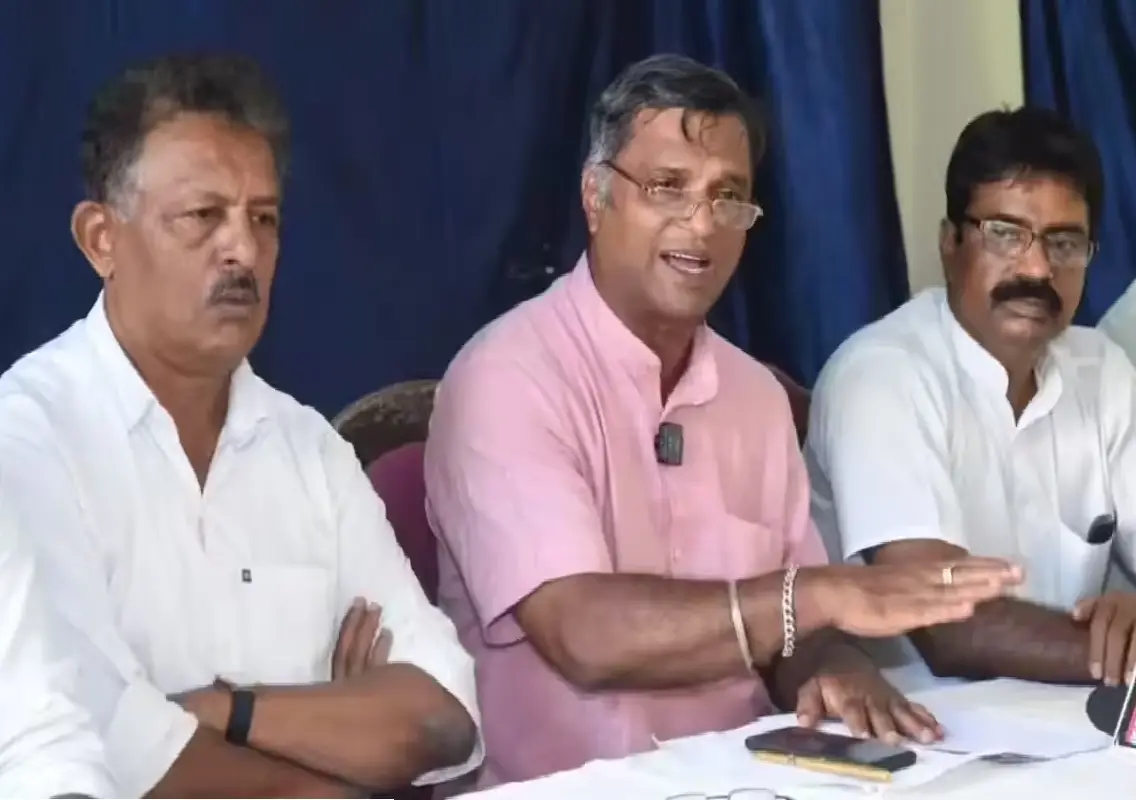
Addressing reporters in Mangaluru on Wednesday, CITU district general secretary Sunil Kumar Bajal said coordinated protest actions will be held simultaneously at more than 25 locations across the district, including taluk and zonal centres, beginning at 9 am.
He said the strike is expected to draw participation from workers across sectors along with farmers, students, youth groups, women, Dalit organisations, tribal communities, and other citizen groups.
Protest against labour codes and policy changes
Union representatives said the strike has been called to oppose the repeal of 29 major labour laws and the rollout of four consolidated labour codes by the central government. Protest leaders argue that these changes dilute worker protections and reduce long-standing labour rights.
According to the organisers, the demands also include opposition to the proposed seed bill, electricity-related reforms, and amendments linked to the rural employment guarantee framework. They claim these measures together would adversely affect workers, small farmers, and rural communities.
AITUC district general secretary Seetharama Berinja alleged that earlier labour protections were dismantled to weaken organised labour and reduce the bargaining power of workers. He said the new labour codes alter provisions relating to minimum wages, working hours, union rights, strike rules, and social security coverage.
Union leaders contend that rights secured through decades of worker movements after Independence are at risk of being rolled back under the new framework.
District-wide road blockades planned
CITU leader Sunil Kumar Bajal said road blockades will be staged at key junctions and public points across Dakshina Kannada to mark the strike. More than 25 protest points have been identified, covering major towns and taluk headquarters.
Demonstrators plan to assemble in the morning and conduct peaceful blockades and protest gatherings to draw public attention to their demands. Organisers said essential services will not be deliberately targeted, but transport movement is likely to be affected in several stretches during the protest hours.
He added that coordination meetings have been held with participating unions and farmer bodies to ensure disciplined and peaceful conduct during the strike.
Police sources are expected to review traffic diversion and bandobast arrangements closer to the protest date.
Three-day vehicle rally to build awareness
Protest organisers have also announced a three-day vehicle rally across Dakshina Kannada district from February 5 to February 7 to mobilise support and spread awareness about the nationwide strike.
The rally is scheduled to be inaugurated at 9.30 am near Lady Goschen Hospital in Mangaluru. Leaders from bank employee associations and trade unions are expected to attend the launch event.
Phanindra K, All India general secretary of the Karnataka Bank Employees Association, will inaugurate the rally. State-level bank employees’ leaders Vincent D’Souza and BM Madhava will participate as guests, organisers said.
The vehicle rally will travel through all taluks of the district, addressing roadside meetings and public gatherings along the route. It is scheduled to conclude at Yeyyadi at around 6 pm on February 7.
Concerns over rural employment scheme changes
Karnataka Prantha Raitha Sangha leader K Yadava Shetty expressed concern over reported changes linked to the rural employment guarantee framework. He said modifications to the scheme structure and funding pattern could increase the burden on state governments and affect rural households dependent on wage employment.
He alleged that any dilution in employment guarantee provisions would severely impact people in villages already facing unemployment and income uncertainty.
Farmer leaders associated with the strike said agricultural communities are joining the protest in solidarity with workers and to raise broader livelihood and policy concerns.
Call for broad public participation
Organisers said the February 12 strike is being positioned as a joint platform of labour and farmer groups, reflecting shared concerns over employment security, wage protection, and rural welfare. They have appealed to the public to extend support and participate in local protest actions.
Union leaders emphasised that the demonstrations are intended to be peaceful and democratic. They said memorandums outlining their demands will be submitted to authorities through designated channels.
With multiple unions and sectoral groups backing the call, Dakshina Kannada is expected to witness one of the larger coordinated district-level responses in the region on the strike day.