

Mangaluru: A special court of the National Investigation Agency (NIA) has sentenced Arafath Ali to six years of rigorous imprisonment for his involvement in a terror conspiracy linked to the Islamic State (ISIS) network operating in parts of Karnataka.
Arafath Ali, a native of Thirthahalli in Shivamogga district, was found guilty of conspiring with ISIS operatives to carry out destructive activities in Shivamogga and Mangaluru. The conviction marks a significant development in the crackdown on extremist networks in the region.
Earlier convictions in the case
In the same case, two other accused — Maaz Muneer Ahmed and Syed Yaseen — had already been sentenced to six years of imprisonment in November 2025.
Investigators had linked the trio to a broader network involved in radicalisation, recruitment and logistical support for terror-related activities. The case drew attention due to its connections with multiple districts and the use of modern technologies for funding and communication.
Role in ISIS network
The NIA’s probe revealed that the accused were part of an organised module aligned with Islamic State, with activities concentrated in Shivamogga and extending to Mangaluru and other parts of Karnataka.
According to the charge sheet, Arafath Ali played a crucial role in sustaining and expanding the network. After fleeing India in 2020 via West Bengal, he allegedly operated from abroad and facilitated financial transactions to support extremist activities.
The agency stated that funds were transferred through cryptocurrency channels, which were later converted into local currency by associates for operational purposes. These funds were reportedly used for recruitment drives and other unlawful activities linked to the ISIS module.
Links to earlier incidents
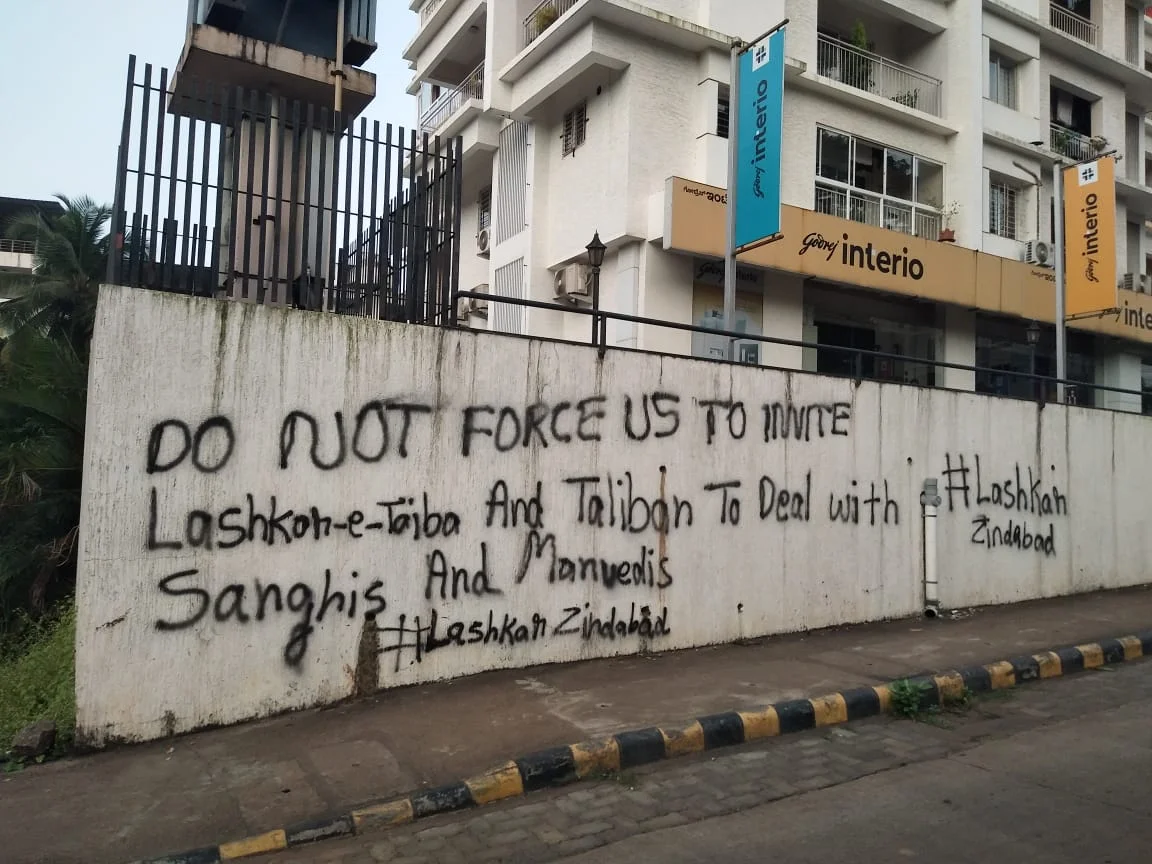
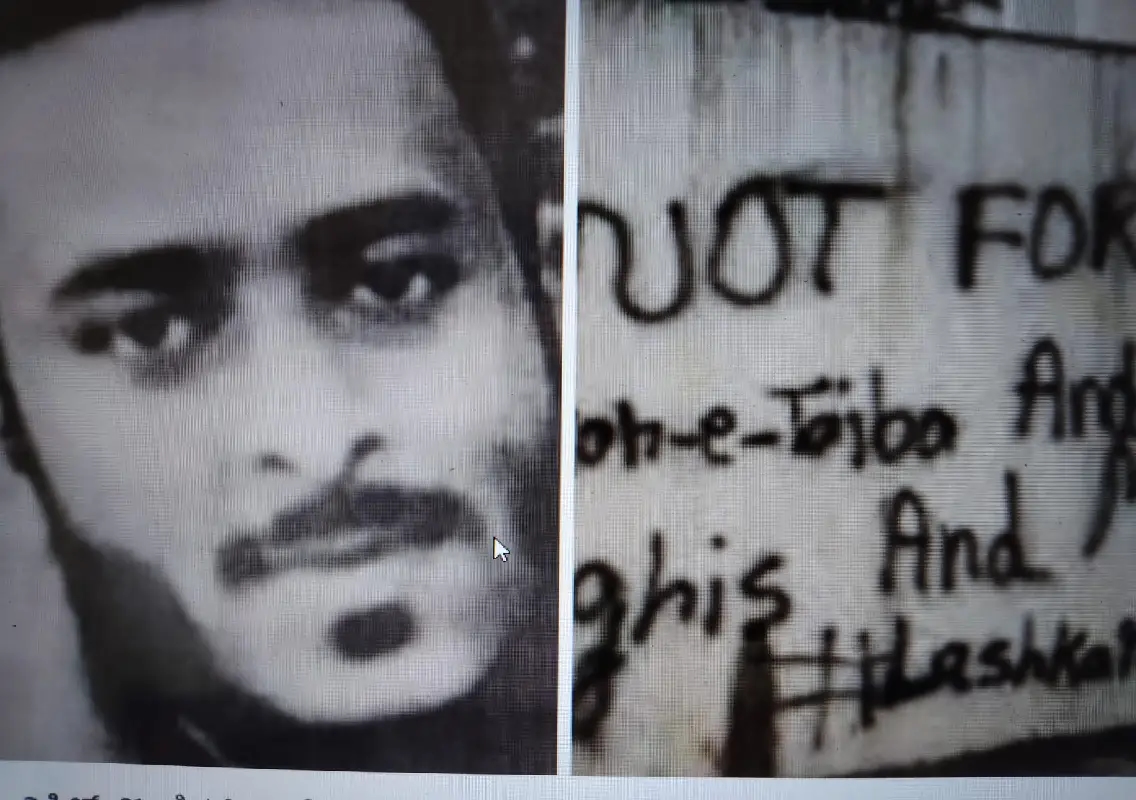
The investigation also uncovered connections to earlier incidents, including a 2020 case of pro-Lashkar wall graffiti in Kadri, Mangaluru. In that case, Mohammed Shareeq was among those arrested along with Maaz Muneer.
Further developments in the case came after a cooker bomb blast in Mangaluru in November 2022, which led to the re-arrest of Shareeq. The blast intensified scrutiny of extremist activities in coastal Karnataka and helped investigators piece together the network’s operations.
Authorities also identified the involvement of Abdul Mateen Taha, who was allegedly involved in funding the network along with Arafath Ali.
Arrest and investigation
Arafath Ali remained absconding for nearly three years before being apprehended at Delhi airport in September 2023 upon his arrival from Kenya. His arrest was considered a major breakthrough in the case.
The NIA stated that he was an active member of ISIS and had played a key role in radicalising and recruiting youth, particularly in Shivamogga and Bengaluru. The agency’s investigation, which began after it took over the case in 2022, has so far led to the arrest of 12 individuals across Karnataka.
Of these, three have now been convicted and sentenced, marking progress in the prosecution of those linked to the terror module.
Use of cryptocurrency in terror funding
One of the notable aspects of the case was the use of cryptocurrency to transfer funds for illegal activities. Investigators highlighted how digital currencies were used to bypass conventional financial monitoring systems.
Experts say such methods pose challenges to law enforcement agencies, requiring specialised expertise and coordination with international agencies to track and intercept financial flows.
Conclusion
The sentencing of Arafath Ali underscores the continued efforts of security agencies to dismantle extremist networks and prevent radicalisation. The case highlights the evolving nature of terror operations, including the use of technology and cross-border linkages.
While the convictions mark a significant step forward, authorities are expected to continue monitoring and investigating similar networks to ensure long-term security and stability in the region.