







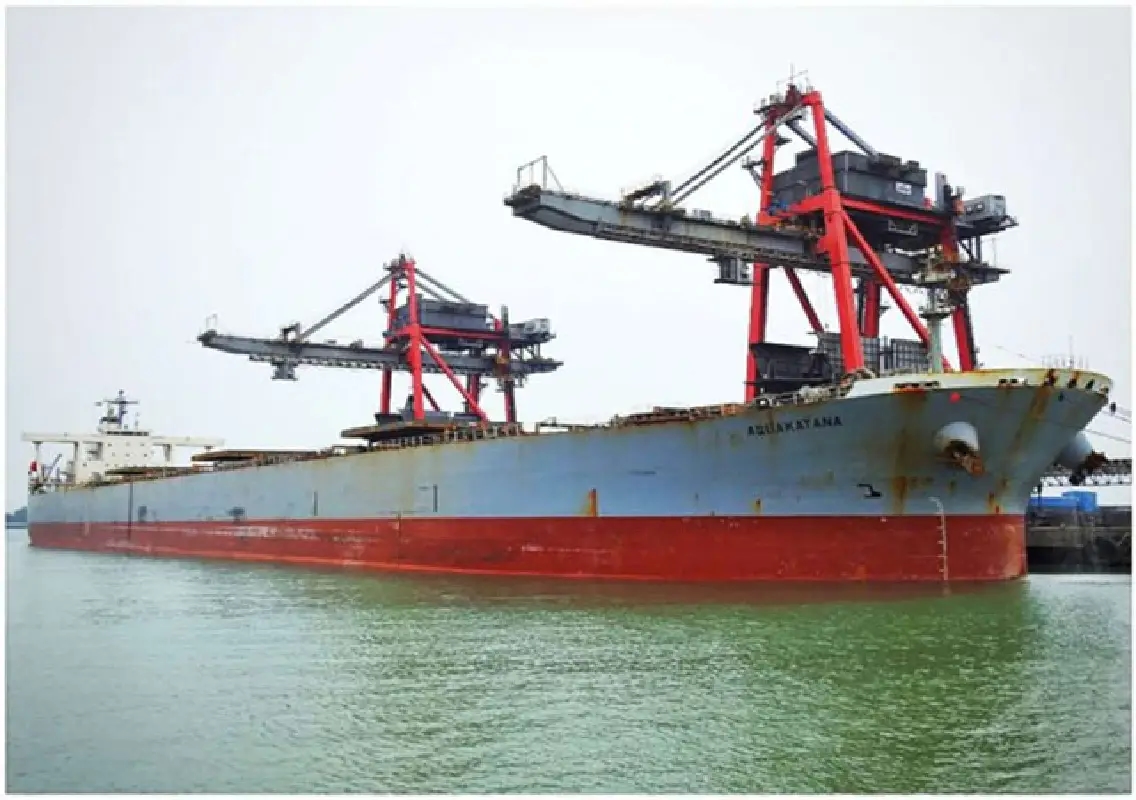


Mangaluru: In response to disruptions caused by the ongoing conflict in the Middle East, the New Mangalore Port Authority (NMPA) has announced a series of relief measures aimed at supporting port users and ensuring continuity in the supply of essential commodities.
Acting on directives from the Ministry of Ports and Shipping, the port authority has waived Cargo Related Charges (CRC) for handling liquefied petroleum gas (LPG) and crude oil. The waiver will remain in effect at the New Mangalore Port until midnight on March 31, providing immediate financial relief to importers and exporters dealing with disrupted supply chains.
Measures to ease import and export bottlenecks
To address logistical challenges arising from the crisis, the NMPA has introduced special storage arrangements for container cargo that cannot be exported or imported due to the prevailing situation.
In coordination with container terminal operators and the Customs Department, the port is facilitating transshipment operations for vessels diverted from other ports impacted by the conflict. This move is expected to ease congestion and maintain cargo flow across regions.
Additionally, the authority has announced a waiver on ground rent and reefer plug-in charges for export containers that are stranded due to the disruptions. These steps are aimed at reducing the financial burden on traders and exporters who are facing delays beyond their control.
To support cargo handling, a dedicated covered warehouse and an open yard at the SJ Gate within the port premises have been earmarked for storing container cargo and perishable goods. These facilities will help preserve sensitive shipments while ensuring efficient space utilisation within the port.
Priority for LPG vessels
Given the ongoing supply constraints, the port has decided to prioritise the berthing and handling of LPG vessels. This measure is intended to maintain a steady flow of cooking gas and mitigate shortages in the region.
The move comes at a time when global energy supply chains are under strain, with geopolitical tensions affecting shipments of crude oil and LPG. By streamlining vessel handling, the NMPA aims to minimise delays and ensure timely distribution of essential fuels.
Hospitality sector faces LPG shortage
Despite the government’s efforts to regulate supply, the hospitality sector in Mangaluru is grappling with an acute shortage of commercial LPG cylinders.
Authorities have prioritised supply to essential services such as hostels, leaving many hotels struggling to secure adequate fuel for daily operations. While private suppliers, including Aegis Logistics Ltd., have been supplying LPG to select establishments, these supplies are reportedly limited and subject to stringent conditions.
Industry sources indicate that prices have also surged due to constrained availability. Companies with storage facilities in Mangaluru have managed to maintain some level of stock, which is being distributed not only locally but also to neighbouring regions such as Goa.
Government monitoring supply situation
Officials from the Food and Civil Supplies Department confirmed that commercial LPG distribution is currently restricted to priority sectors. Supply to hotels and other commercial establishments will resume once the availability improves.
The situation underscores the broader impact of international conflicts on local economies, particularly in sectors heavily dependent on fuel supplies.
Conclusion
The relief measures introduced by the New Mangalore Port Authority are expected to provide critical support to traders, importers, and exporters navigating the challenges posed by global disruptions. While these steps may ease logistical and financial pressures at the port level, the ongoing LPG shortage highlights the need for sustained supply chain stabilisation.
As the situation evolves, coordinated efforts between government agencies, port authorities, and industry stakeholders will be essential to restore normalcy and ensure uninterrupted access to essential commodities.